Saluda County Celebrates 250
The
American War
for Independence
In the
Footprint of
Saluda County, SC
The Struggle for Liberty on Saluda County Soil
Long before Saluda County was officially formed in 1896—the land we now call home—its fertile fields, rolling hills, and riverbanks bore witness to one of the most dramatic chapters in American history.
In the decades leading up to 1776, our ancestors lived, farmed, and raised families here in the backcountry settlements of the old Ninety Six District. When the call for liberty rang out, this region did not simply join a distant war against Britain. It became the stage for a bitter civil war fought within the greater struggle for independence. Here, Patriot and Loyalist neighbors turned against one another. Kinfolk sometimes chose opposing sides. Communities fractured as raids, ambushes, and reprisals tore through the same fields and river crossings where families once lived in peace.
From the Regulator movement’s early unrest, through Cherokee alliances and frontier raids, to the bloody clashes along the Saluda River, at Mine Creek, Cloud’s Creek, and beyond, the Southern Campaign brought the full horror of neighbor-against-neighbor conflict to this soil.
The courage, sacrifices, and tragedies of those years helped forge the United States—but they also left deep scars on the families and land that would one day become Saluda County. Yet, from that grief and those ashes rose the resilient men and women who healed divisions, rebuilt homes and farms, and laid the foundations for the Saluda County we know today. Their determination turned a war-torn frontier into a thriving community.
As we mark the 250th anniversary of the American Revolution, the Saluda County Historical Society invites you to explore these powerful stories of our land and our people—the Patriots and Loyalists, the divided families, the fallen, and the survivors whose choices and conflicts shaped this county long before its formal boundaries existed.
This is not just history. It is our heritage.
-
Introduction: Saluda and the Revolution
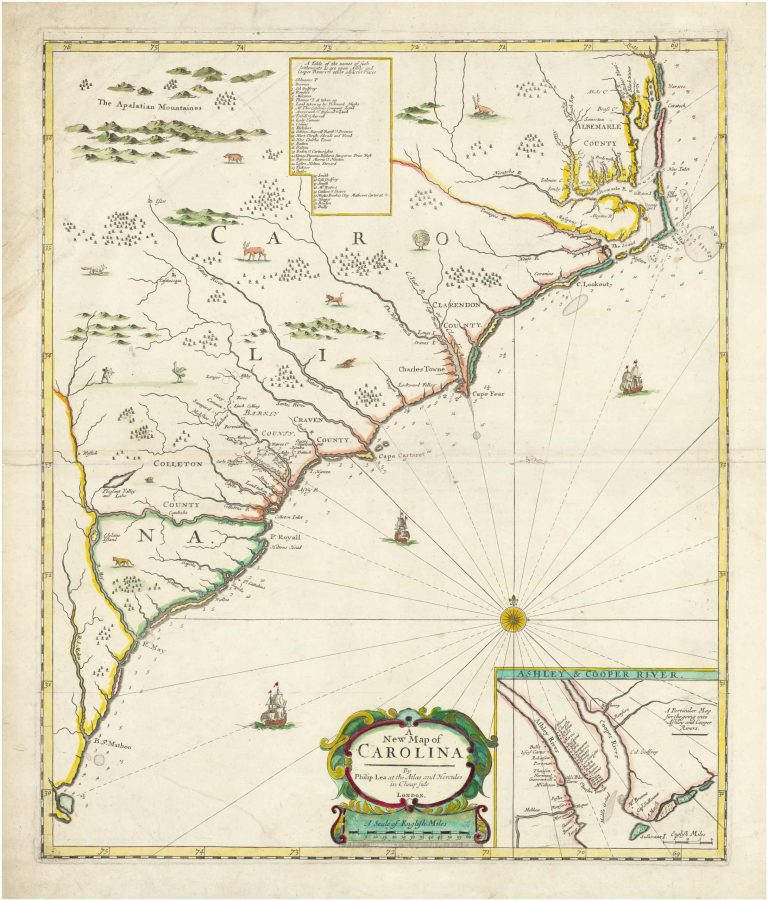
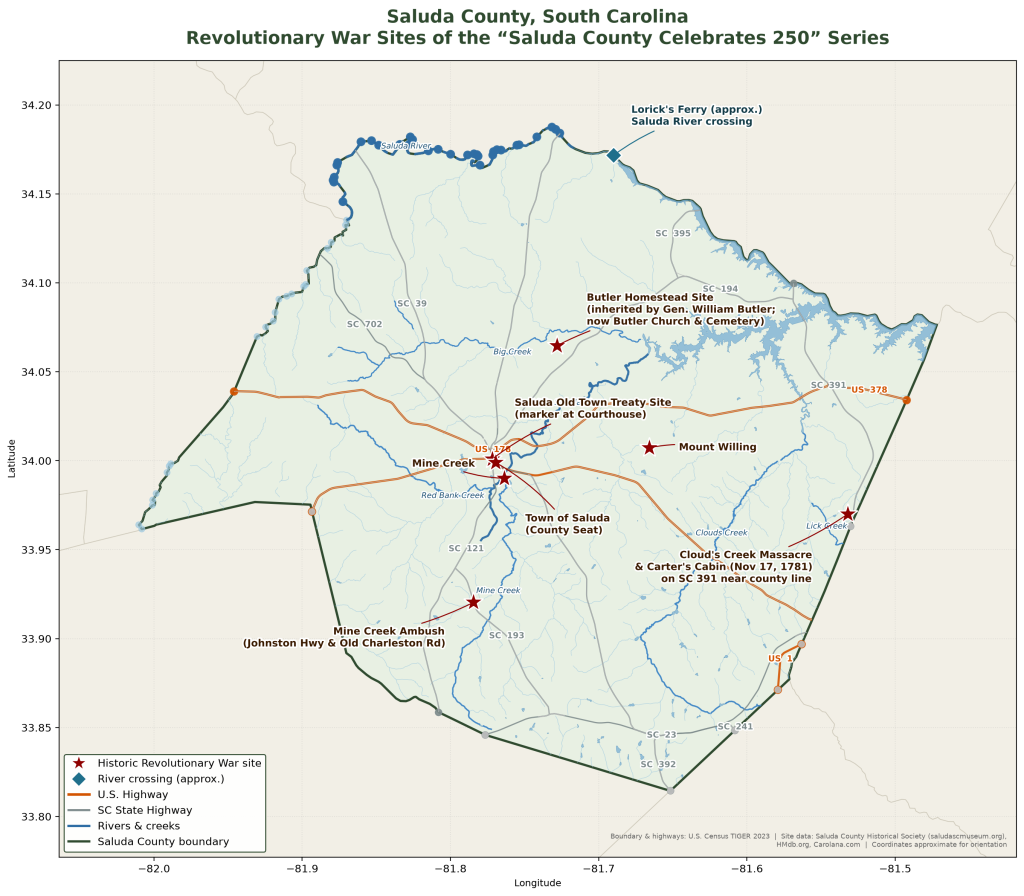
There was not yet a “Saluda County” during the Lords Proprietor years, but though the name did not exist, the land (as shown on the map above) always did.
-
Part 1: Saluda during the Lords Proprietors Years
There was not yet a “Saluda County” during the Lords Proprietor years, but though the name did not exist, the land (as shown on the map above) always did.
-
Part 2: The Crown, the Colonists, and the Cherokee
In the wake of the Yamasee War, the colony of South Carolina was still traumatized by its destruction and its many human losses.
-
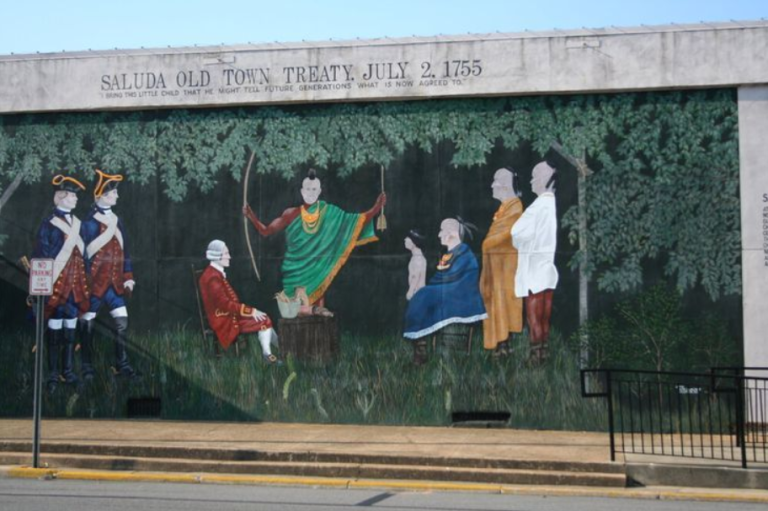
Part 3: The Saluda Old Town Treaty
In the summer of 1755, amid the escalating French and Indian War in the northern colonies, South Carolina’s Royal Governor, James Glen, worked urgently to secure Cherokee neutrality or alliance against French influence. The Cherokee,…
-
Part 4: A Short Uneasy Peace
The ink had scarcely dried on the parchment at Saluda Old Town when it became clear that the two sides who had signed the treaty carried distinctly different understandings of what it meant. To Governor…
-
Part 5: Seeds of Rebellion – The Regulator Movement
The Cherokee war left a vacuum in the backcountry, and from that vacuum grew the Regulator movement. The “Regulators” were ordinary settlers—farmers, traders, and veterans of the Cherokee War—who banded together to suppress cattle thieves,…
-
Part 6: A Colony Turns Against Itself
Backcountry settlers across Colonial South Carolina entered the early 1770s with a sense of relief and optimism. The courts and local justice they had so desperately needed was, at last, a reality. The new district…
-
Part 7: Two Neighbors – Voices from the River
Robert Cunningham, Tory I am Robert Cunningham, descended from Irish stock that crossed the sea to Virginia in the mid‑1600s. By 1769 several branches of our family had pushed into the backcountry of South Carolina,…
-
Part 8: Powder and Lead
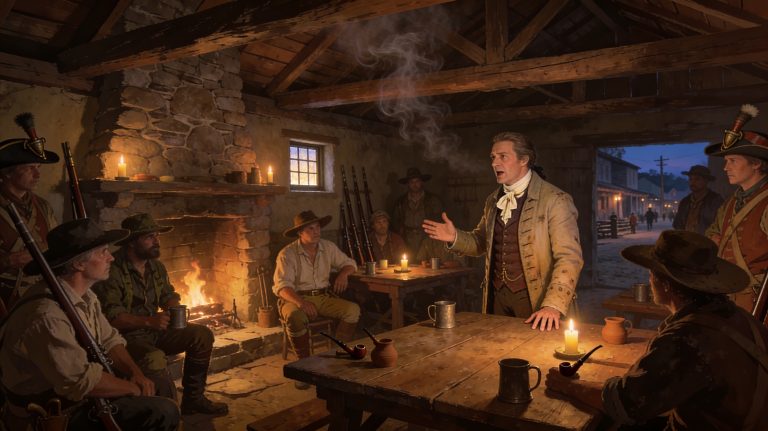
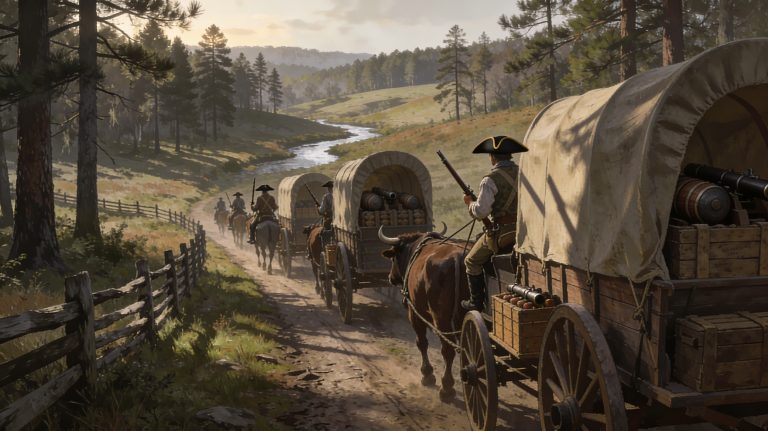
Powder and lead moved first, long before armies did. In the backcountry and in Charles Town alike, once word came of Concord and Lexington, munitions became the coveted commodity. Men reached for muskets only when…
-
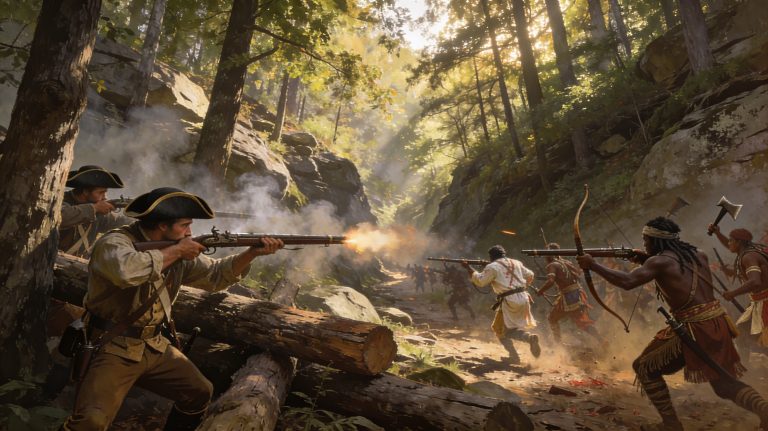
Part 9: The Ambush at Mine Creek
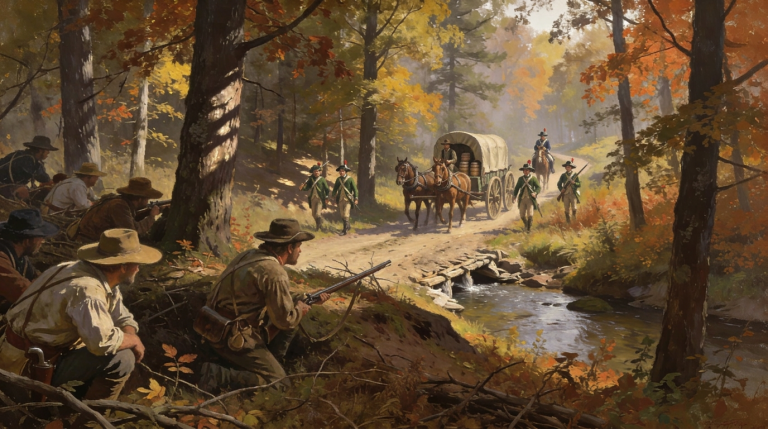
They say history is written by the victors. I aim to see that the truth of Mine Creek is told by the man who stopped that wagon. I am Patrick Cunningham. I had not forgotten…
-
Part 10: From Mine Creek to Savage’s Old Fields
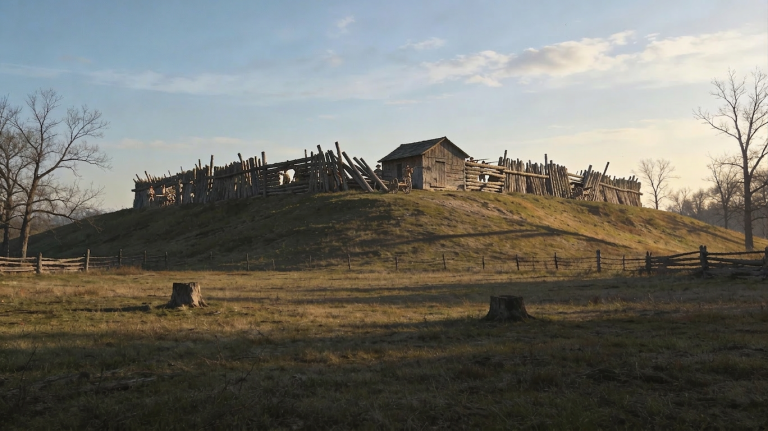
The war in South Carolina’s backcountry truly began on that Saluda wagon road when Loyalist captain Patrick Cunningham took back that powder and lead. The “Mine Creek Ambush” did more than embarrass the Provincial Congress;…
-
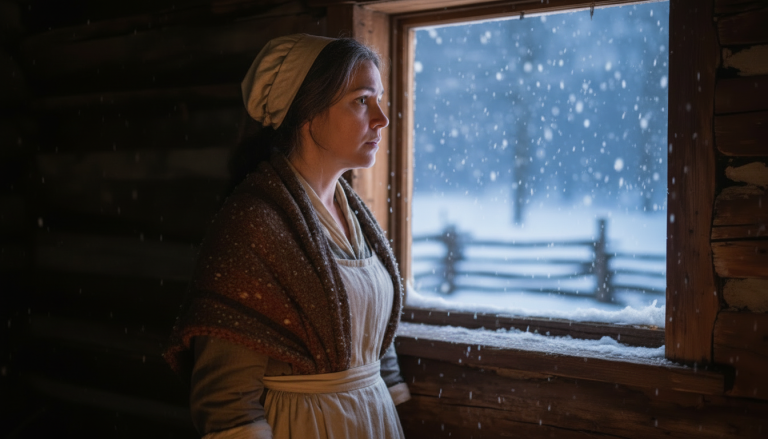
Part 11: The Snow Campaign – a Woman Watches, Waits, and Worries
I will never forget that cold, deadly winter of 1775-76. I felt so alone and so far away from my Virginia Home. I was born, Mary Foote in Prince William County. My first husband, William…
-
Part 12: Another Cherokee War
The Snow Campaign brought a temporary calm to the backcountry, but the underlying tensions persisted. Loyalist figures like Patrick Cunningham, though defeated and scattered, had already been accused of encouraging Cherokee raids on settler communities…
-
Part 13: The Lashes that Turned Me Tory
I once marched with the very men who would later curse my name: William Cunningham. In the beginning they persuaded me with promises. They swore I could serve close to home, guard the backcountry I…
-
Part 14: The Gathering Storm – Butlers and Cunninghams, 1776–1780
The war had not yet swallowed the South Carolina backcountry whole, but by the autumn of 1776, its shadow already stretched long across the red-clay fields and pine ridges of the Ninety-Six District. As William…
-
Part 15: The Fall of Charleston – A Deadly Turn of the Tide
Charleston held its breath for forty days. That spring of 1780, British warships had crowded the harbor as red-coated infantry closed in from the landward side, slowly tightening a noose around the most important American…
-
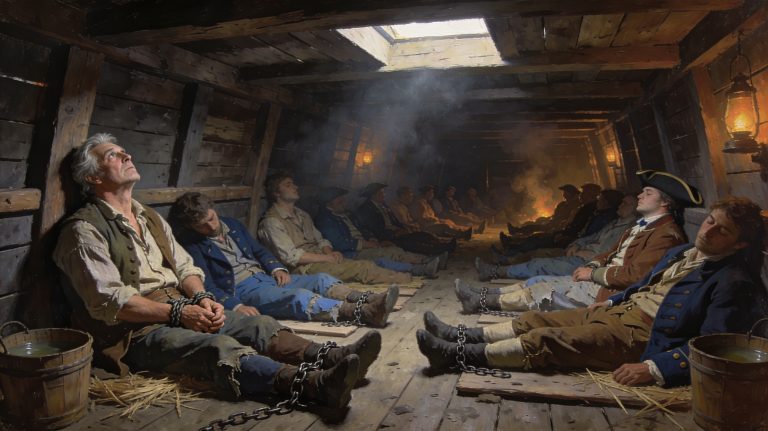
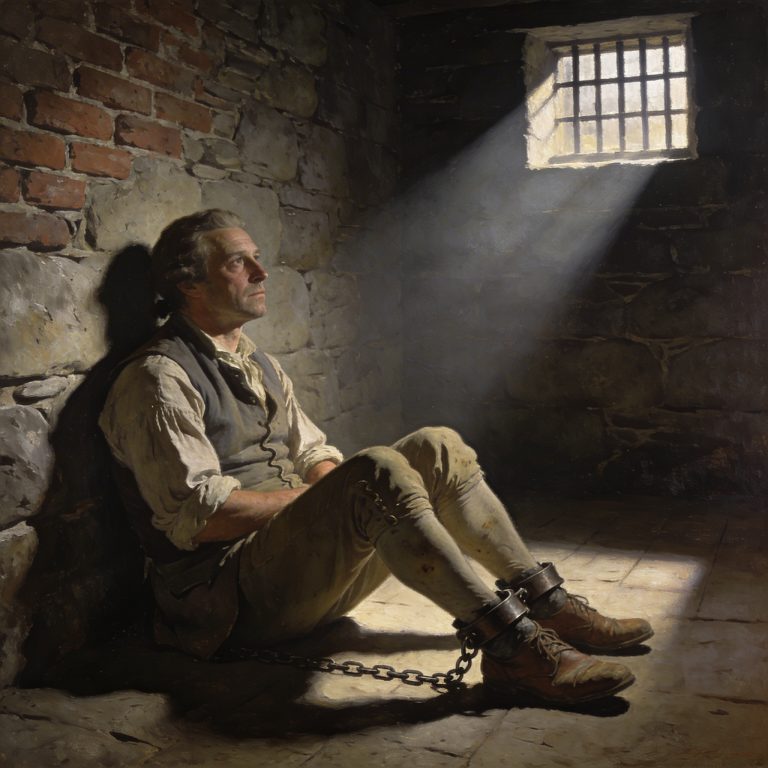
Part 16: An Aside in Captivity – Reflections of James Butler, Sr.
The days here pass without measure — slow, airless days that grant a man too much time for thought. In the dim half-light, my mind drifts homeward, for memory is now my only liberty. Far…
-
Part 17: The Southern Campaign
In the summer of 1780, only a few short months after the victory at Charles Town, the hopes of the British high command turned to the South as the key to crushing the American Revolution….
-
Part 18: Preparations for Revenge
In the backcountry autumn of 1781, the great armies had shifted away, but the scars of war were everywhere. The British began pulling their troops out of the backcountry, even before the fall of Yorktown….
-
Part 19: Deadly Encounter at Mt. Willing
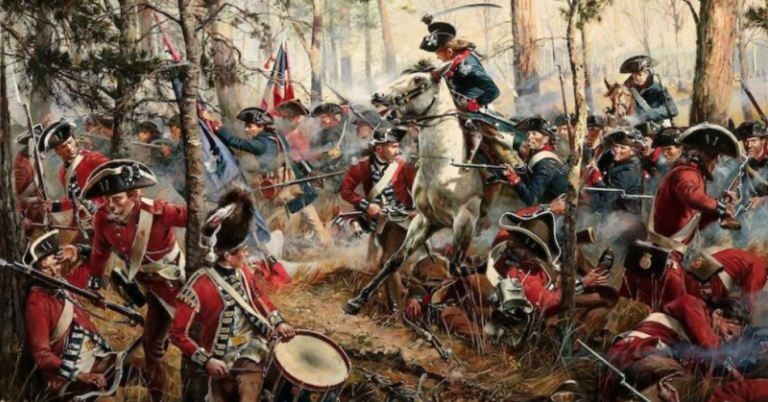
The bloody autumn air of late 1781 carried the scent of woodsmoke and turned earth across the rolling hills of Mount Willing, South Carolina. Cornwallis had surrendered at Yorktown, but in the backcountry the war…
-
Part 20: The Massacre at Cloud’s Creek
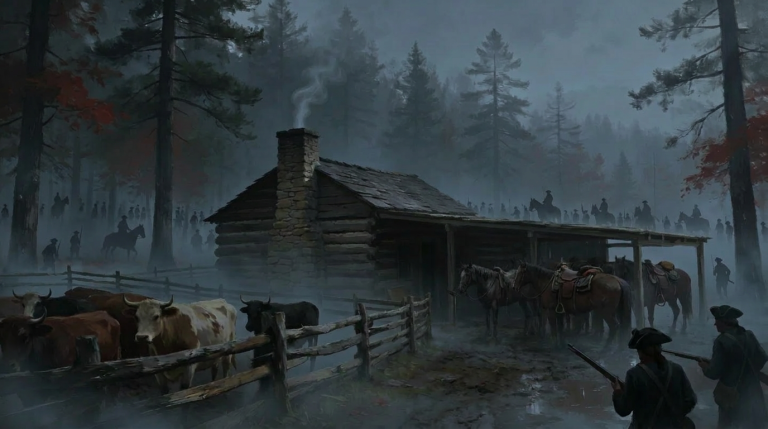
Dawn came gray and heavy over Cloud’s Creek the next morning. It was a day that would not be forgotten – November 17, 1781. A mist was lifting from the water and the trees still…
-
Part 21: The Bloody Scout
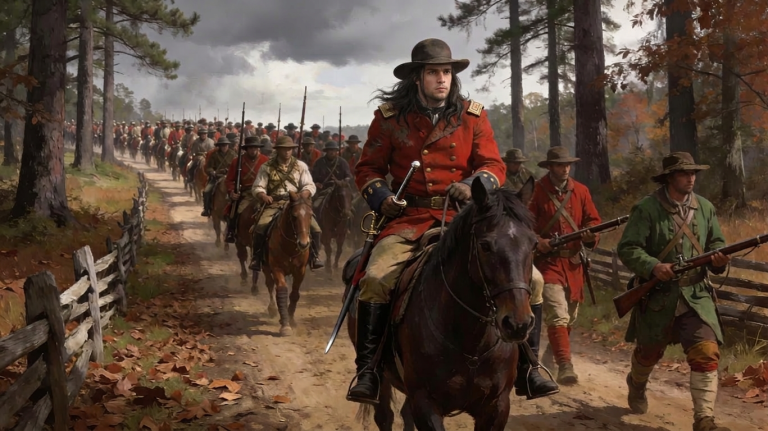
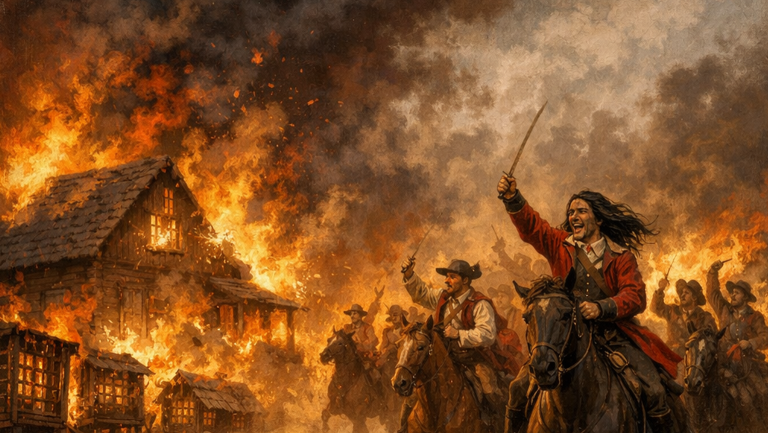
After the slaughter at Clouds Creek on that November morning, William Cunningham and his three hundred Loyalist horsemen rode away from the Carter’s Cabin where twenty-eight Patriot militiamen lay dead. Cunningham’s column moved north through…
-
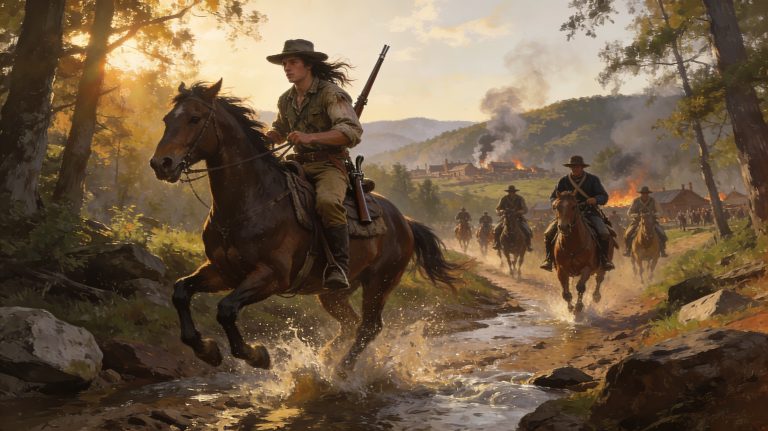
Part 22: The Chase at Lorick’s Ferry
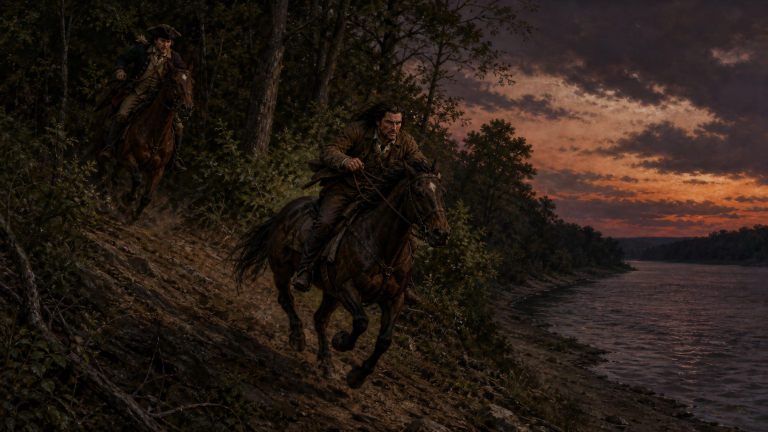
The fires of the Bloody Scout had barely cooled when the cycle of revenge turned once more. In the spring of 1782, word reached the Saluda River settlements that “Bloody Bill” Cunningham was in the…
-
Aftermath
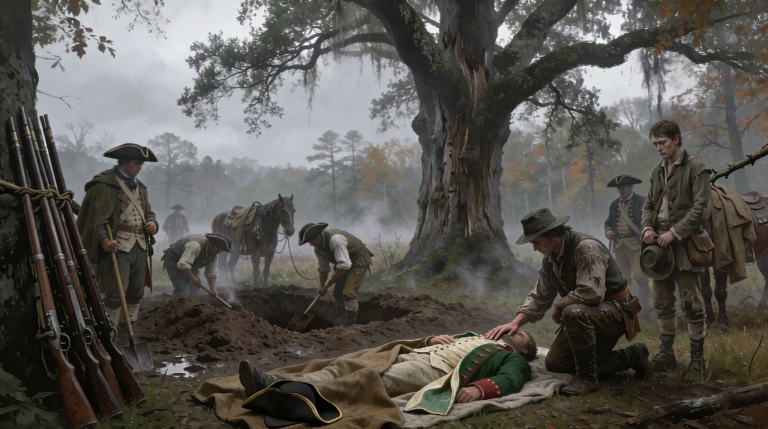
In South Carolina the Revolutionary War did not truly end with the British surrender at Yorktown in 1781. For more than a year afterward, skirmishes, raids, and reprisals continued across the Lowcountry and backcountry, as…
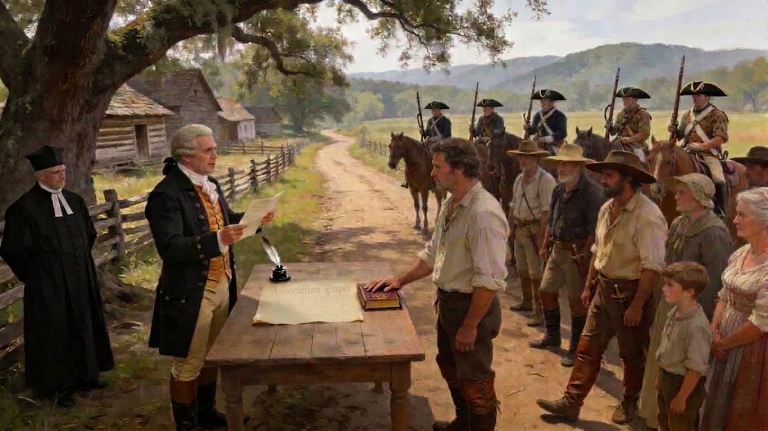
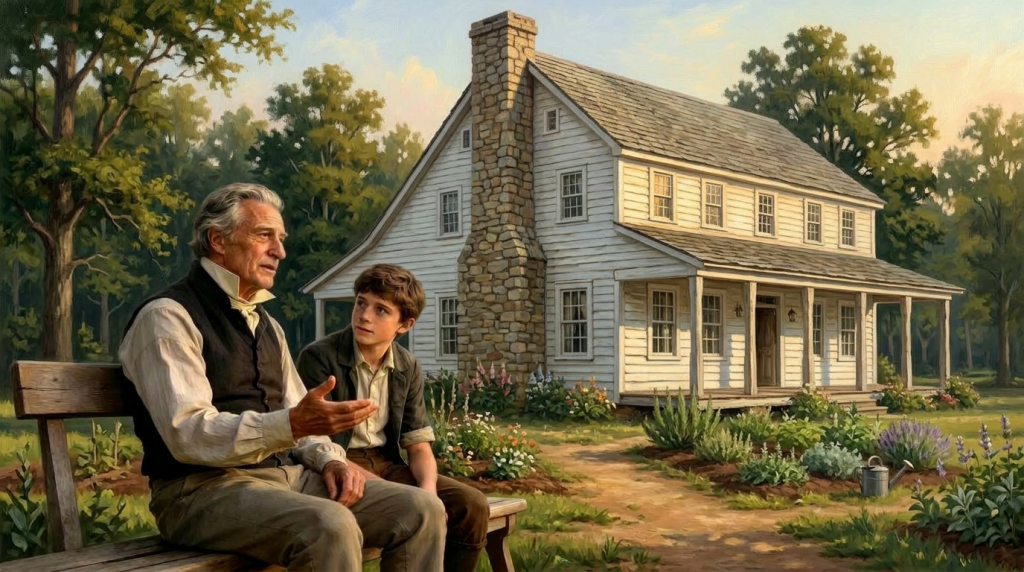
Epilogue: William Butler – Musings of an Old Man in his Garden
Author’s Note and Sources
