Part 11: The Snow Campaign – a Woman Watches, Waits, and Worries
I will never forget that cold, deadly winter of 1775-76. I felt so alone and so far away from my Virginia Home.
I was born, Mary Foote in Prince William County. My first husband, William Simpson, died before we were one year married. But then, after months of terrible grief, I saw James Butler, and suddenly, once more, I saw a future before me.
James and I married in Prince William in 1758. Our firstborn son, William, came the next year. Over the next fourteen, we were blessed with seven more healthy children – Jim (James Jr.), Thomas, Nancy, Elizabeth, Stanmore, Sampson and Mason. All eight of them were with us in 1772, when we left Virginia, and James set us down in the eastern part of the Ninety Six District of South Carolina.
The land was cheap and plentiful, but thick with forest. We built our cabin near the Little Saluda River, between Big Creek and Clouds Creek. All three of James’s sisters, Sarah, Mary and Elizabeth, came with us and settled nearby in the area that would one day be known as Mt. Willing.
James and the boys felled countless pine, oak, and hickories as we cleared our fields for wheat, Indian corn, oats. That fall we also tried small plots of indigo, hemp, and flax. Near the cabin we saved space for garden patches of beans, squash, peas, and other vegetables. We were beginning to learn the ways of the backcountry—its sudden floods, its long droughts, and the way news traveled faster on a hard‑riding horse than any letter ever could.
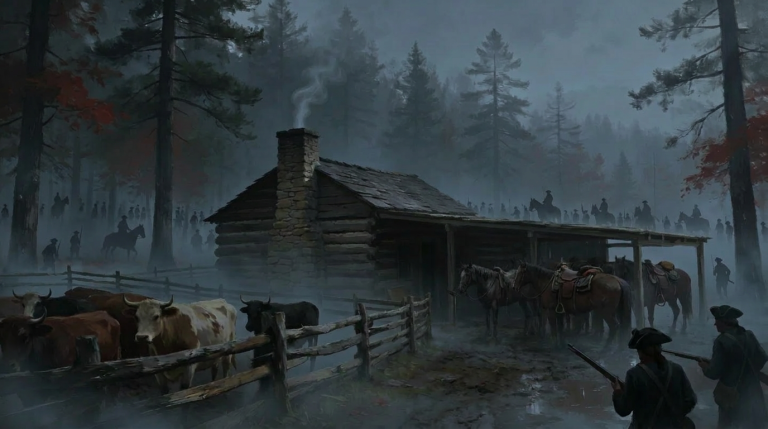
That November of 1775, our fields lay stubbled and brown, the harvest was mostly in – wheat stacked, corn cribs filled, indigo already boiled down and dried. We were tired but grateful for the good season, as we turned to winter chores. There were rails to mend, and wood to cut before full winter took hold.
But just as our new life was beginning to take shape, disorder was gripping our neighborhood, the same as it was the colonies up north. Word of rebellion traveled faster than the wind in those days. Everywhere there was talk of liberty and tyranny, neighbors whispering of war. Neighbors choosing sides.
I felt it gathering like a storm we could not outrun.
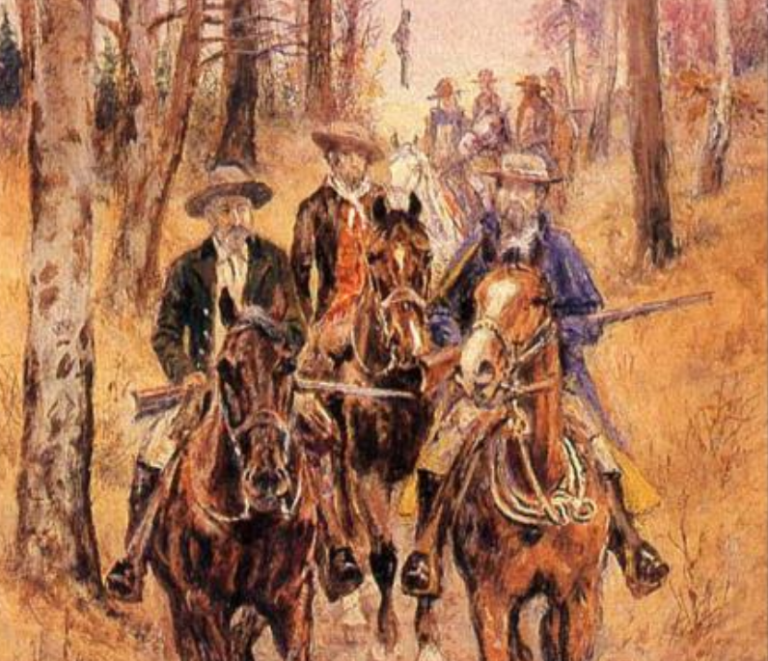
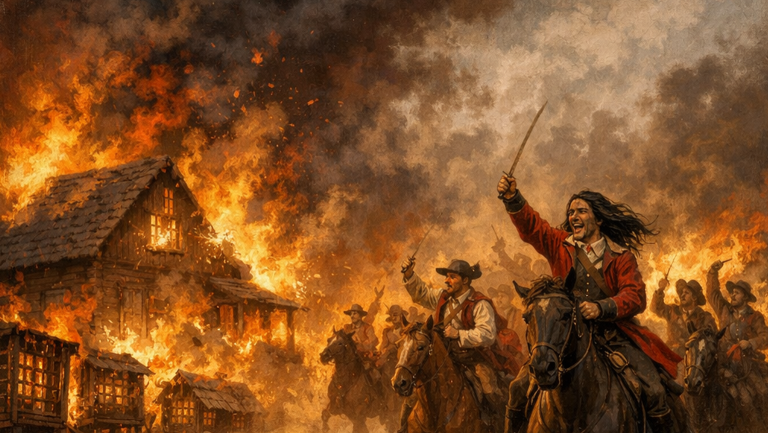
Then came that misty morning in late November when horsemen thundered up to our gate, bringing grim tidings. Loyalists in the backcountry, like Patrick and Robert Cunningham, Thomas Fletchall, Richard Pearis, and Joseph Robinson, had taken up arms for the King and, worse still, were said to be stirring the Cherokee against the settlers. In response, at the call of the Provincial Committee of Safety, Colonel Richardson, over in Camden, began raising a militia to march to the upcountry and put the Loyalists down before they could overtake us all.
James came in from the fields, listened to the men’s news, then turned to me with that quiet look of resolve I knew well.
My husband was a steadfast soul—strong of arm, firm in his convictions, never one to seek trouble but never one to turn from duty either. He knew that the time had come when men must choose whether to stand idle under the Crown or fight for freedom’s sake. I could see the fire in his eyes as he turned to speak to me.
A cold shiver ran straight through me.
“Mary,” James said, “I must go.”
And go, he did. Two days later, with our sixteen-year old William by his side.
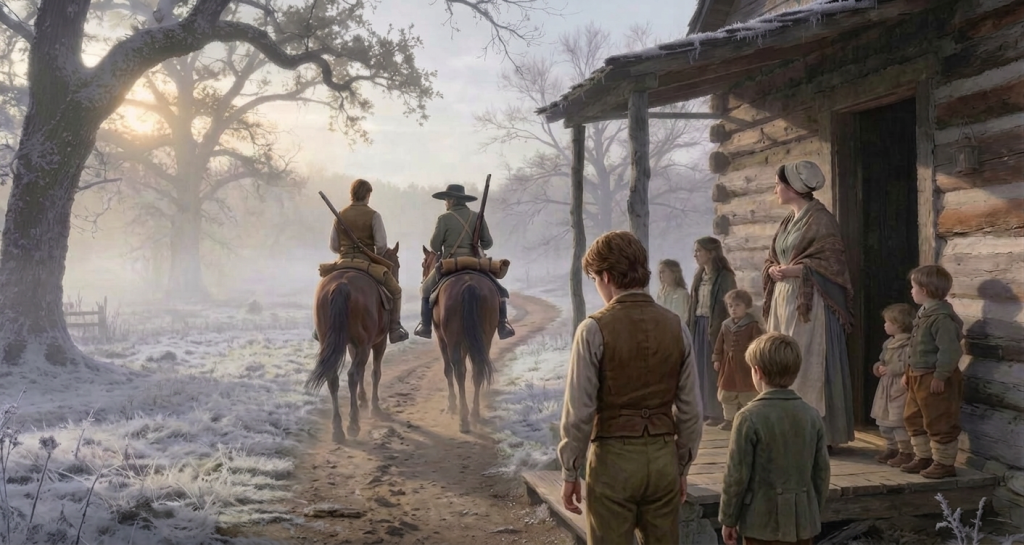
I remember the morning they left. A silvery coating of frost covered everything as far as the eye could see, as the children and I gathered on the porch to see them off.
James smiled, kissed me, held me tight, and said, “I’ll be back.” I held William to me long and close, hardly believing that my little boy had grown so quickly into this young man.
Our Jim, then fourteen, stood sullen and apart from the younger children, angry that his father would not let him go. “I can shoot straight as any man!” my fiery boy pleaded with his father.
But to no avail.
When James and William rode off to join with Colonel Richardson that frosty morning, I stood on the porch with all seven of our other children and watched until the mist enveloped them.
The weeks that followed were long and anxious. I rose before dawn to milk the cow, saw to the children, and kept a stew simmering over the fire. James and Thomas kept the ax busy in the woodlot, and I taught the younger ones their letters by lamplight. Word came now and again from passing travelers—that the army had swelled to thousands and was marching through the back settlements past Ninety Six. The Spartan militia were with Major Thomson’s rangers, scouting through the hills after Fletchall and the Cunninghams.
I took in every scrap of news like a woman starving.
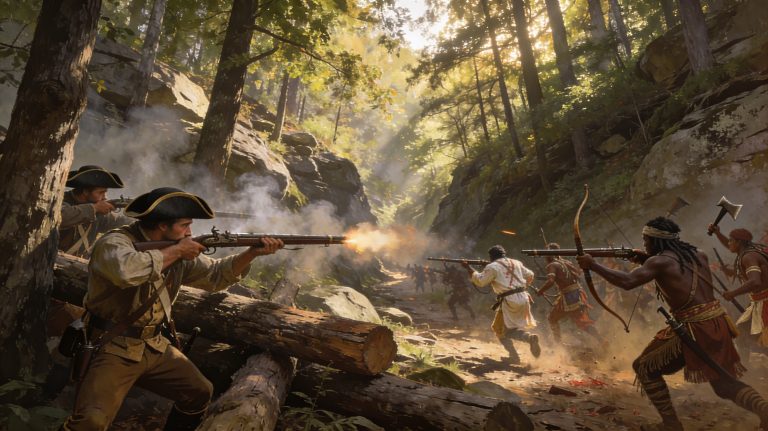
Then one evening, a cousin rode by with tidings—there had been fighting at a place called the Great Cane Brake, on the Reedy River, just before Christmas. The Patriots had struck at dawn, routed the Loyalists, and took many prisoners. He said it was a victory, but that several had been killed, and many wounded.
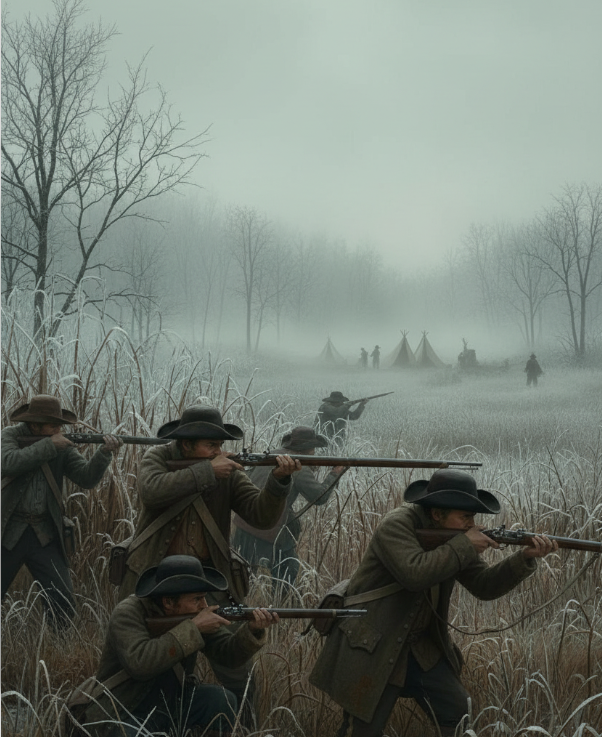
My heart hammered so that I could scarcely breathe. Victory is a sweet word, but it hides how easily a musket ball can make a widow or rob a mother of her son.
Had they survived? Were they whole?
Two days before Christmas, as all the men began their return homeward, the snow began to fall.
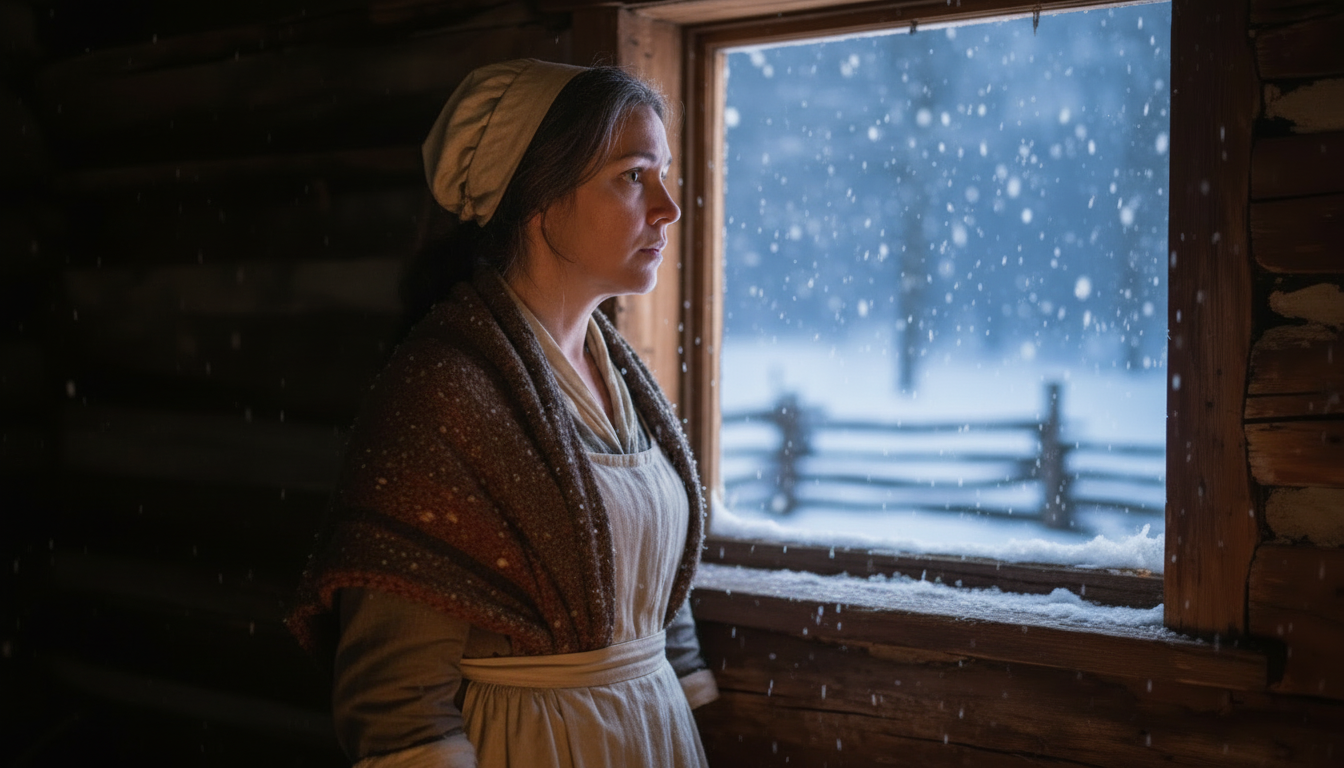
Nobody in those parts had ever seen such a blizzard—two feet deep and still falling. The trees bent low beneath it. We later heard how the men trudged through drifts, with worn and flimsy shoes or feet wrapped in rags. The near starving men lost fingers and toes. Some even lost their lives- falling on the road, not able to rise again.
It was not the Patriot victory in the canes that gave that winter offensive its name, but the brutal, unforgiving march home. It was called “The Snow Campaign.”
What I remember so well about those days was the waiting—the endless, hollow waiting. I started watching the road in earnest after hearing of the Cane Break victory always half imagining that I could see two shapes cresting the hill.
Many shivering, bedraggled men did pass by our fields. I shared what I could spare, offering them a heel of bread, a sip of warm water or tea when I had it – praying all the while that some kind soul was doing the same for James and William.
It was late in January when they finally made it home. The snow had finally begun to melt into cold mud. I heard the dog bark before I saw them—thin, haggard, their coats in tatters. But they were alive!
I ran to them, and when James lifted me into his arms, I wept until I could no longer stand.
Over the following days, he and William huddled around the hearth with the children – they stared in amazement as their brother told the story of surviving the blizzard.
As the storm set in, he told them, wet cloth would stiffen into icy boards, feet would go numb, and every step along the rutted tracks became a slog through slush and then drifts that swallowed their ankles and shins.
When they had to stop for rest, fires were almost impossible to keep lit in the wind and wet. Hot food was scarce. Men who had already been on short rations during the march north now tried to choke down frozen corn bread or jerked meat with fingers too stiff to feel. Muskets had to be shielded from snow and sleet; powder horns were hugged close under coats to keep them dry. Sleep came in snatches around smoky, struggling campfires. Men huddled together under thin blankets, worrying that if they closed their eyes too long they might not wake up.
The roads back toward home turned treacherous. Streams that had been easy fords on the way up were now edged in ice; a misstep could mean a man or horse soaking wet in freezing air, an almost certain recipe for death. Columns stretched out and broke apart. Some units pushed on in grim silence; others fell behind, leading to small knots of men making their own way along half‑hidden trails, guided only by memory and the faint lines of fences and tree lines they knew from peacetime travel.
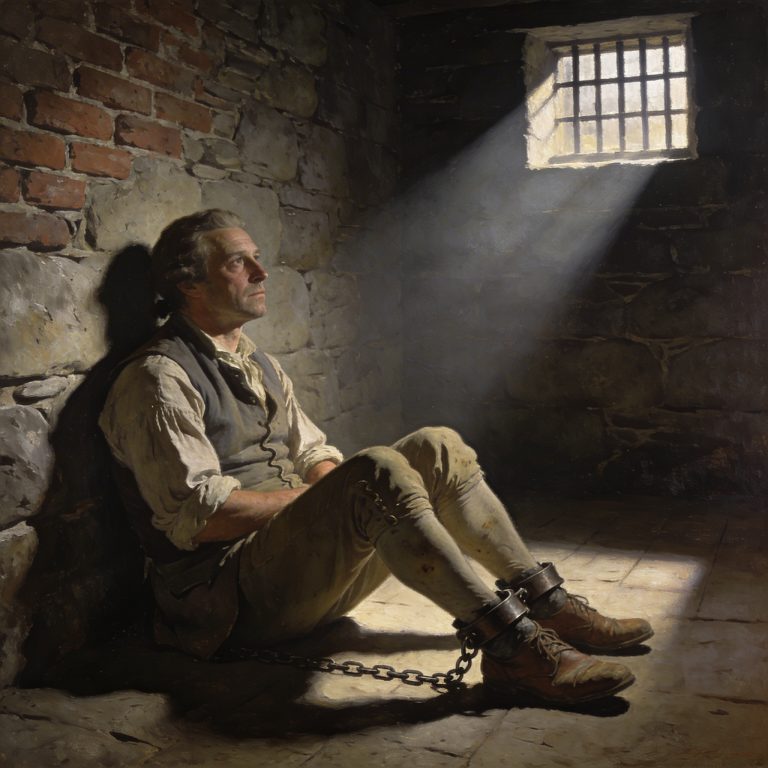
Despite the misery, James said, there’d be flashes of rough humor and stubborn camaraderie: men joking through the fear of never seeing their loved ones again, sharing a last scrap of food, taking turns breaking the trail for each other. They were carrying not trophies but stories of a great victory that was overshadowed by a bitter, white march home. James’s voice was low as he told how they captured the Tory leaders and restored quiet to the District. He says our people can rest easier now, for a time at least. I knew then, as I knew for sure later on, that peace is never certain.
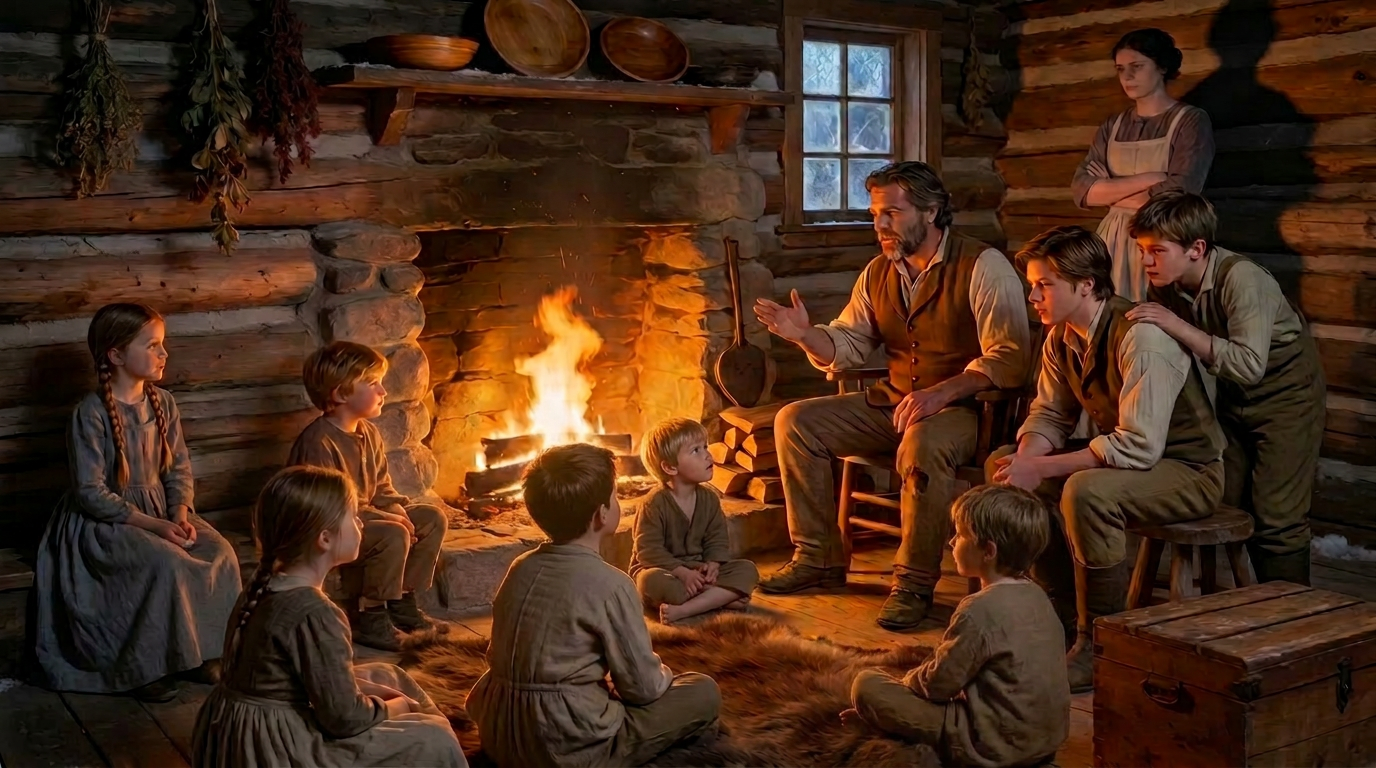
But I treasured those days in our warm cabin, watching James and William tell their stories. Grey was creeping into my husband’s dark hair. I could no longer find the boy in William’s face. But young Jim – oh! my fearless boy! He was mesmerized by the adventure of it all. Never-ending questions, hungry for every last detail!
I took it all in: all of them together, safe, basking in the glow of the fire and their love for each other. The picture still lives on in my mind.
Over the following days, we often heard news of the big battles northward. The endless siege of Boston, General Washington’s crossing the Delaware for his Trenton victory. I knew our part in this war was small and humble, but I also like to think that during every battle, every skirmish, small or large, there were women just like me—holding on, praying, keeping cows milked, the children fed, and the home fires burning. Women whose open arms welcomed back their weary men with safe harbor and rest.
We women must have had our own place in the cause of liberty.