Part 9: The Ambush at Mine Creek
They say history is written by the victors. I aim to see that the truth of Mine Creek is told by the man who stopped that wagon.
I am Patrick Cunningham.
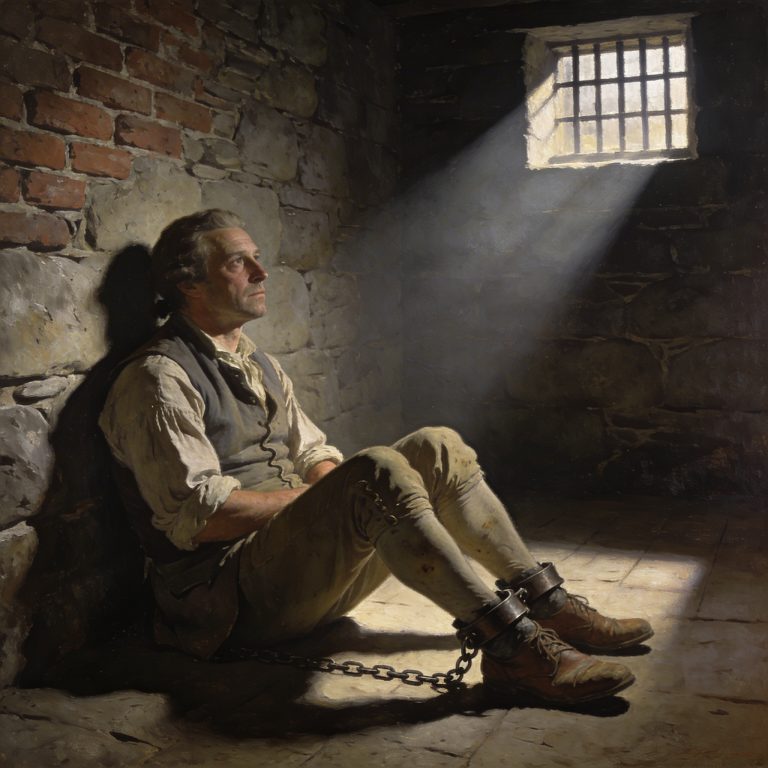
I had not forgotten the day they dragged my brother Robert away. They called it lawful, a warrant issued by their Council in Charles Town, but to us it was nothing more than kidnapping. Robert had spoken his mind—plain, honest words—that he would not submit to a treaty forced on us at the point of a bayonet. For that, they hauled him in irons toward the coast, to rot in a town jail for daring to stand by his king.
Every mile they carried him, my anger burned hotter.
Word soon followed that the same faction in Charles Town had ordered a wagon of powder and lead to be sent upcountry, bound, they said, for the Cherokee towns. They pretended it was all for peace and friendship, yet every man in our district knew what powder in Indian hands could mean. Many of those pushing this scheme were the same men who had seized my brother. If they would imprison loyal subjects for refusing their authority, why would they hesitate to arm the Cherokee against us?
Messages passed quietly from farm to farm. Men who had ridden with Robert, men who trusted the old allegiance to the Crown more than any new committee in Charles Town, came to me ready to act. We were not rebels—we stood firm for law as it had long been. But if the self‑styled “patriots” were going to ship powder to the Indians and jail our leaders, then we would show them that backcountry loyalists were not to be trifled with.
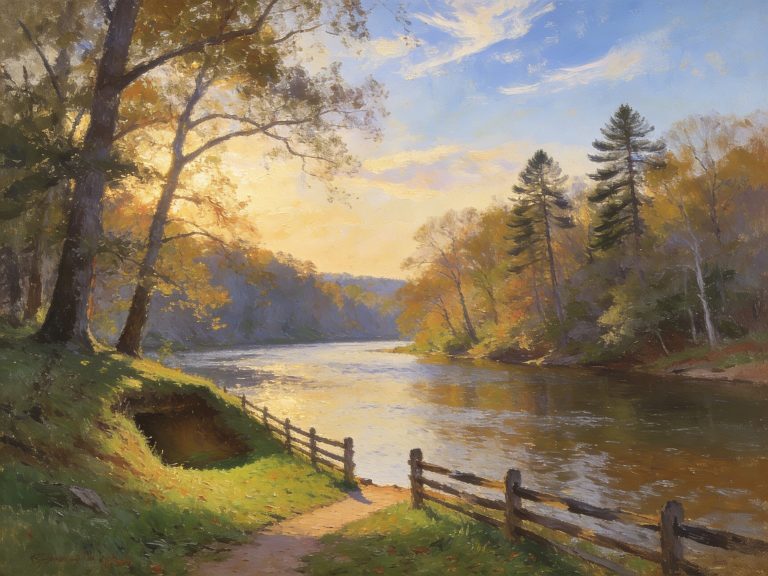
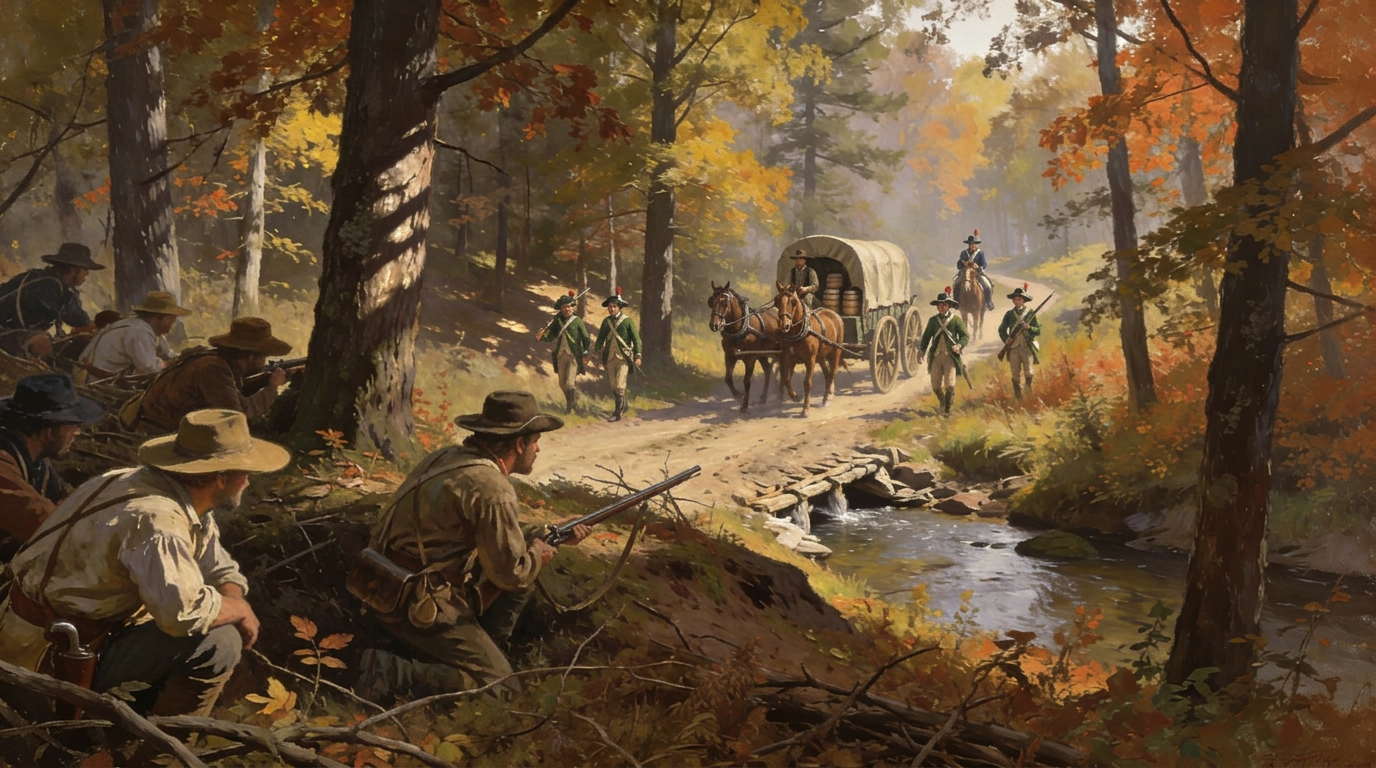
We learned the route the wagon would take as it pushed inland, and I chose my ground near Mine Creek. The place offered cover in the woods and a good view of the road. My heart was set like flint: I would not see that powder reach the Cherokee while my own brother lay in a Charlestown cell for resisting the very men who sent it.
The men who gathered to me knew this was more than a simple seizure; it was a stand against the injustice already done at Ninety Six and the insult to our district in Robert’s imprisonment.
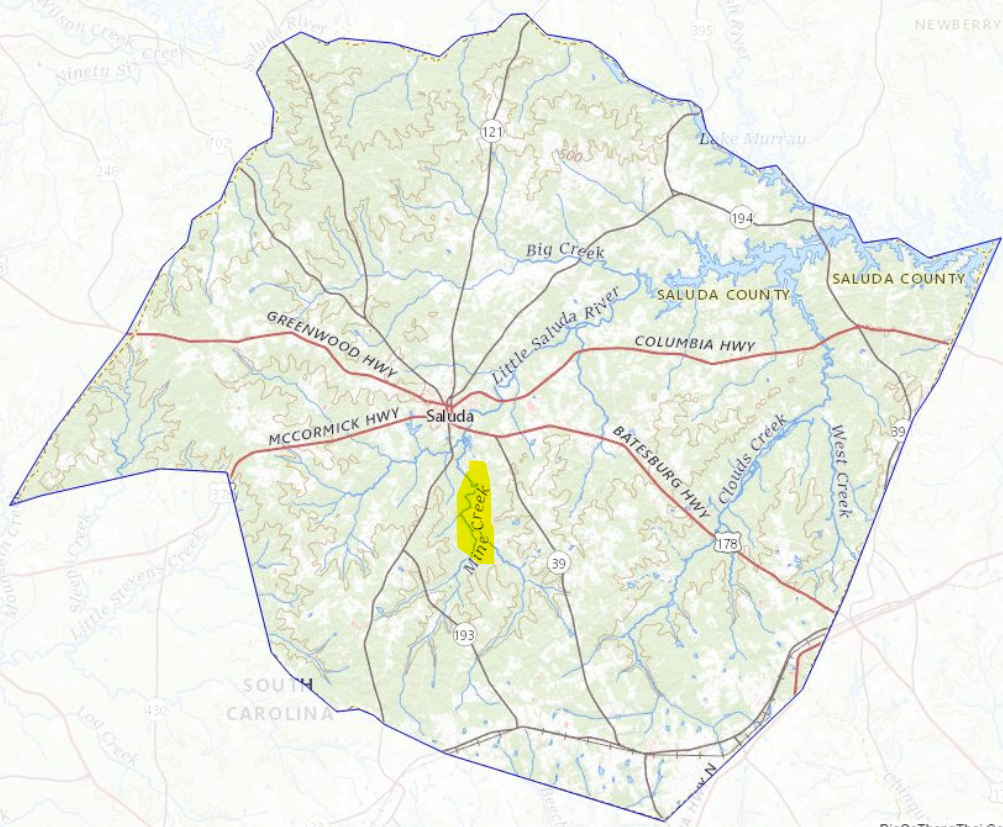
We moved before dawn and took our station among the trees along the track. The air was cool, the creek running low. Each hoofbeat and creak of harness carried clear in the morning stillness.
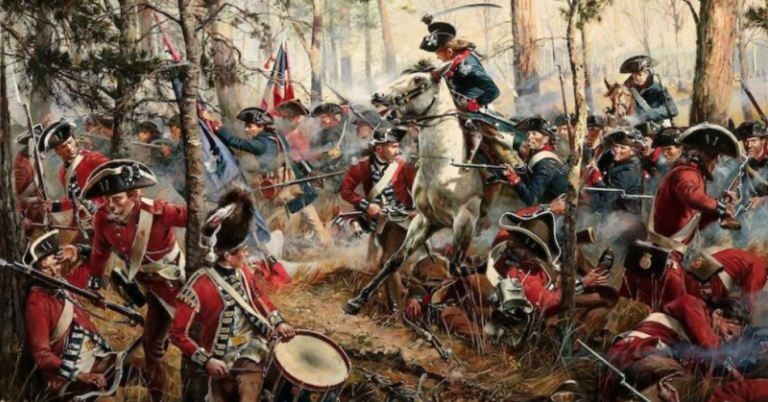
When at last the wagon came into sight, guarded by Ranger troops with their muskets ready, I felt the weight of the moment. Here was the hand of the Council of Safety reaching into our country—powder for their purposes, not ours, rolling right past our doors.
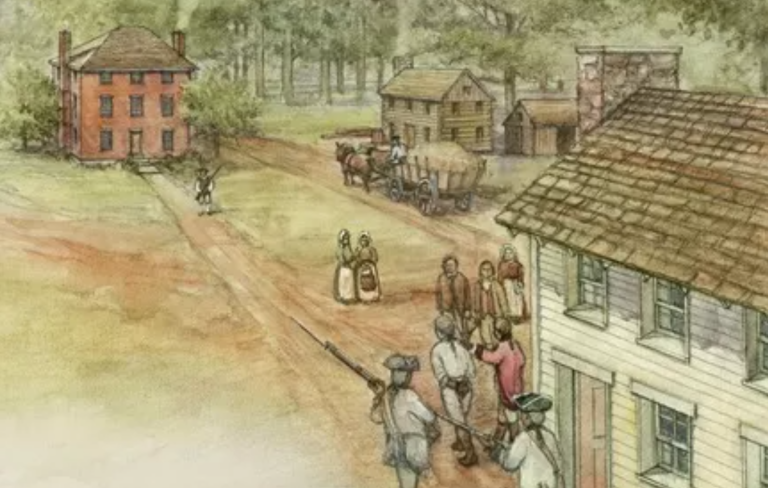
I stepped out where they could see me and called for them to halt. My men emerged from the brush, muskets leveled. There were sharp words exchanged: they claimed the powder belonged to the “people,” that they had orders and would not yield. I answered that the people they spoke of did not include the loyal subjects in our backcountry—or my brother, locked away in Charlestown for defying their will. I told them plainly that we would not stand idly by while they armed Indians over our heads.
When they saw themselves surrounded, the Rangers’ defiance cooled. They understood we were resolved, and that if a shot was fired it would be their own blood spilled over a cargo that was not worth their lives. They surrendered the wagon into our hands. I climbed up, lifted one of the kegs, and knew at once that this was what we had come for. “There is what we are in search of,” I said, so all could hear.
We set to work at once. The kegs of powder were opened and poured into bags we had brought, easier for our men to carry and hide. The lead was hacked and cut into pieces, shared out among those who had ridden with me. That powder and lead would not feed Cherokee guns at the bidding of the Charles Town committee; it would serve to protect our homes and support those who stood loyal to the Crown and to one another.
As the Rangers looked on, I made sure they understood that we did not act from mere greed, but from a sense of justice for the wrong done to Robert and to every loyalist threatened with prison for his beliefs.
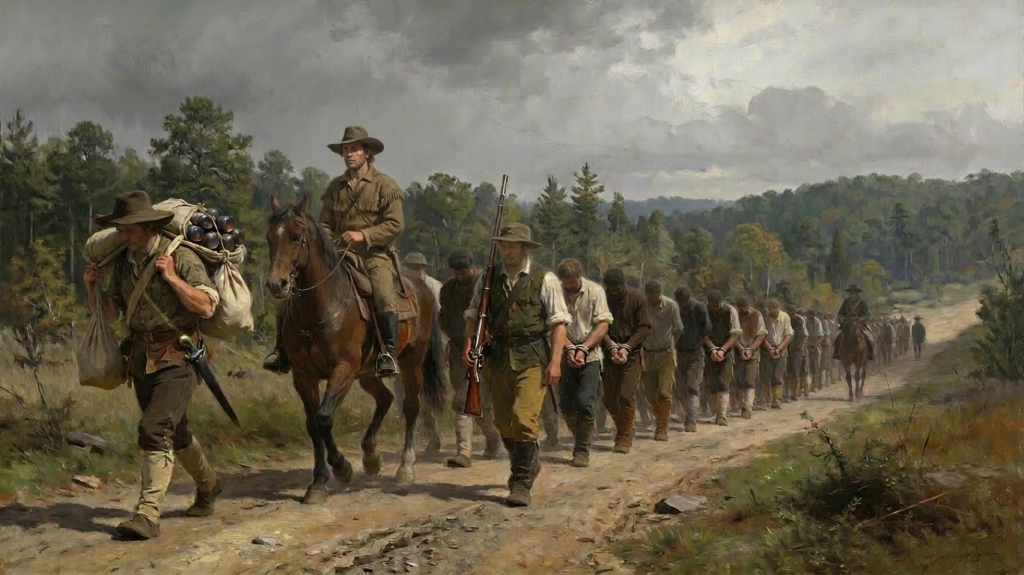
As we led the our prisoners away toward Ninety Six – twenty-three in all – I thought, again, of my brother behind bars. I could not free him that day, but I could strike back at those who had chained him. They had hoped to use the frontier as a pawn, arming the Cherokee while trampling the rights of men like Robert.
At Mine Creek I showed them that we would seize their powder, as surely as they had seized my brother.
Some will call what I did an ambush, a lawless act.
Let them.
I know it for what it was – a warning: if Charles Town would imprison our leaders and send powder past our doors to those who might turn it against us, then we in the backcountry would answer in kind.
My answer was given at Mine Creek, when I stopped their wagon and took their powder in my own hands—thinking always of my brother in his cell, and of the reckoning yet to come.