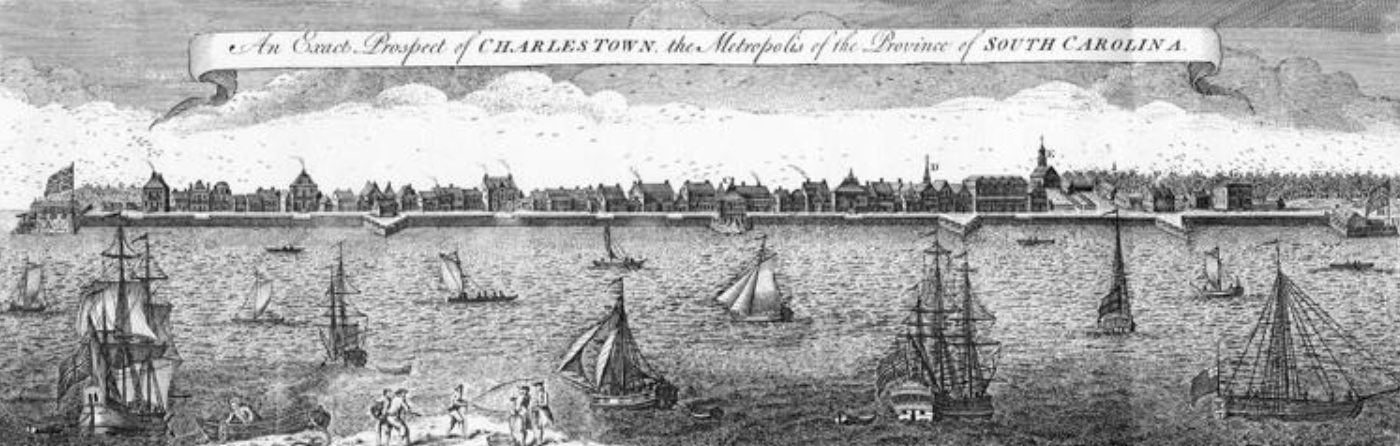
Part 1: Saluda during the Lords Proprietors Years
In 1663 King Charles II of England granted a large section of “our dominions in America,” to eight Lords Proprietors – men who had helped restore him to the British throne.
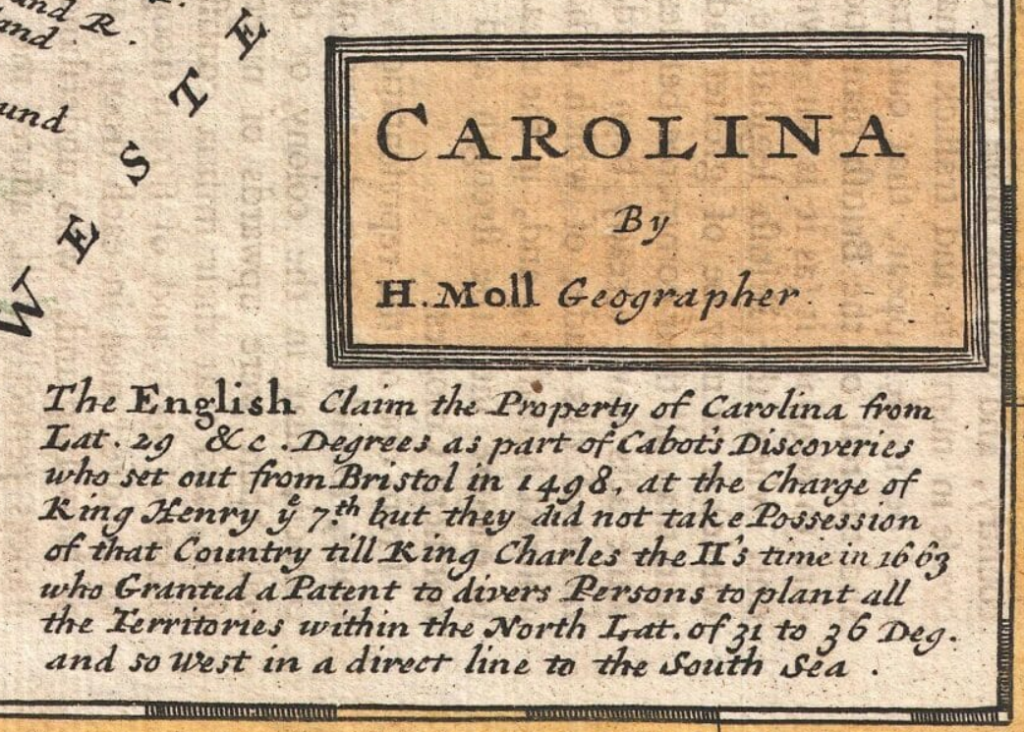
The boundaries of that land were indistinct and most of the early maps were out of proportion, but it extended from the Atlantic coast westward to an undefined point.
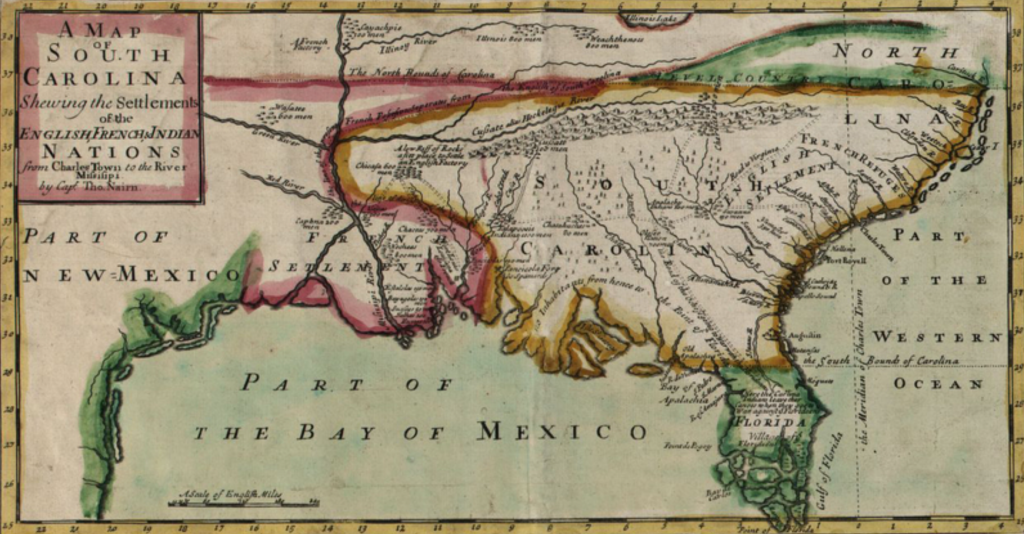
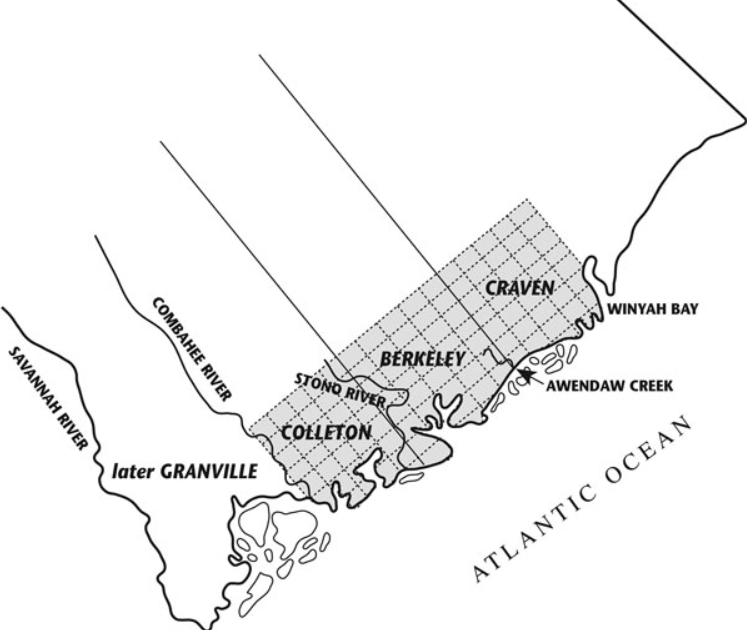
The earliest settlements sprung up in the area we South Carolinians call, “The Low Country.”
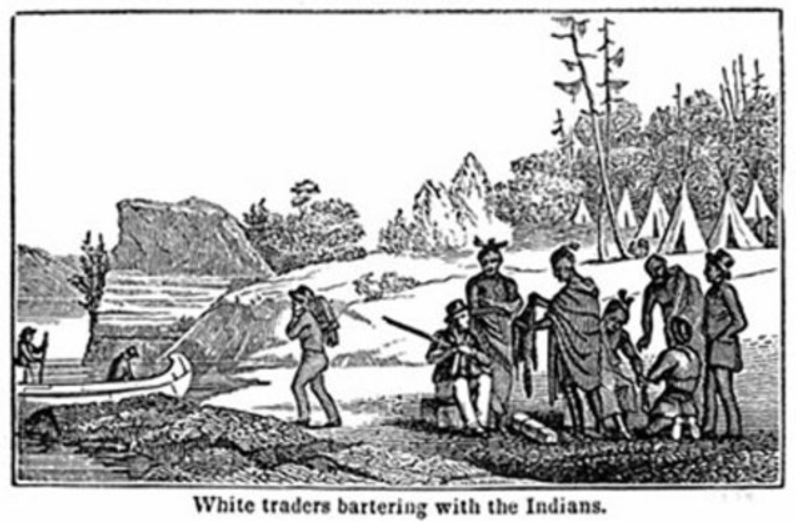
There were no white settlements on Saluda-land in the earliest colonial years. A visit back into those times would find Cherokee Indian inhabitants, a few white traders traveling through, and a thriving trade in deerskins – a commodity still in ample supply in Saluda County almost 300 years later.
The Lords Proprietors never left England to visit their holdings in the colonies. They took turns being in charge of a Royal Governor whom they sent to Carolina. Each of the eight also selected one deputy from among the colonists to serve on a council that governed from Charles Town.
The traders in the backcountry, some of whom certainly visited the Saluda area many times, were usually sent by Charles Town Merchants. Unfortunately many of them took advantage of Native peoples—Catawba, Cherokee, Creek, Yamasee, and others—primarily through cheating, leading them into debt, and sometimes even capturing some of them to serve as slaves. These corrupt practices, of course, often resulted in deadly attacks on the colonists who lived on the outer edges of the Lowcountry.
Pirates on the coast also presented a recurrent threat during the Proprietor years. Among these were the infamous Edward Teach (“Blackbeard”) and Stede Bonnet (“The Gentleman Pirate.”)
The government in Charles Town did practically nothing to defend against these attacks. The vulnerable colonists came to view the Lords Proprietors as distant landlords who blocked the creation of good laws, mishandled land policy, and most of all, they failed to protect the colonists from frequent Indian attacks.
This failure by the Lords Proprietors opened the door to the Yamassee War.
In 1715 the Yamassee1 and the other tribes, staged several bloody attacks around Port Royal, and other coastal areas. The Cherokee, however, who valued their trading relationship with the whites, soon sided with the Carolinians.
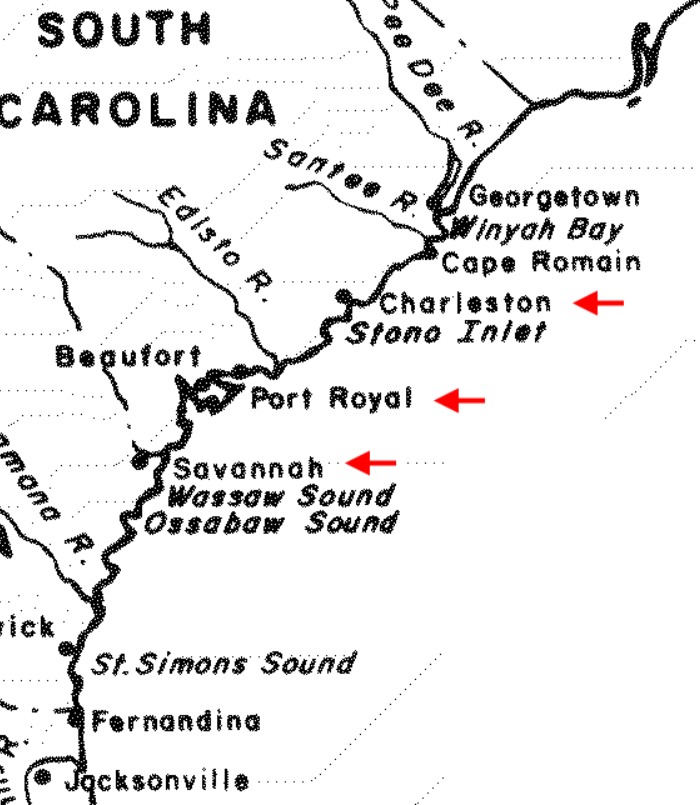
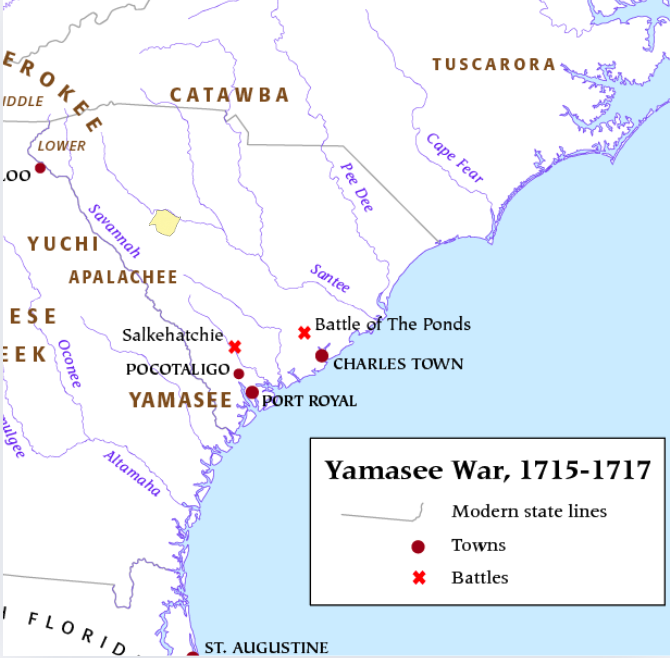
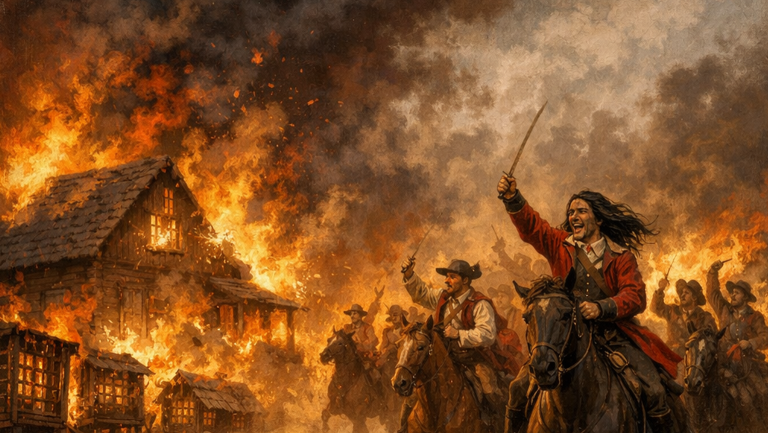
The Yamassee War was one of the bloodiest conflicts in colonial British America, and it almost destroyed the Carolina project. After burning farms, destroying plantations and killing around 400 colonists2 – at least 7% of the South Carolina population at the time – the Yamassee were finally defeated and driven southward into Florida. The Creeks signed a peace treaty with the Carolinians in 1717 and moved westward into Georgia and Alabama. On the outskirts, though, those tribes continued their war with the Cherokee.
Trade between the Cherokee and the Carolinians was reestablished, and the colony‑sanctioned trade in enslaved Native Americans came to an end.3
The shock of nearly losing their colony, however, left the colonists with a sense of vulnerability, not only to Indians, but, also, to internal slave revolts. This fear drove the demand for stronger imperial protection and tighter control at home.
The failure of the Lords Proprietors to assist the colony during this time of crisis deepened the dissatisfaction of the Carolinians and helped to hasten the demise of the proprietary regime in 1719.
The Carolinians had had enough of the inept governance of the Lords Proprietors!
In 1719 they staged a bloodless coup and installed their own governor, James Moore, Jr., to serve while they petitioned the British Crown to take over the Colony.
The King accepted control of the Province of Carolina, and in 1721, Francis Nicholson, the first royal governor arrived. Over the next eight years the Proprietors’ rights were bought out, and in 1729 South Carolina became a Royal Colony.
- The spelling for the tribe and the war was “Yamassee,” but the later town in Beaufort county was spelled “Yemassee.” ↩︎
- Those killed included 90 of the approximately 100 traders who had roamed the inner part of the state developing relations with the native people. They were among the first casualties of the war. ↩︎
- Indian enslavement was ended as an officially-sanctioned practice, but it did not stop immediately. ↩︎