Part 4: A Short Uneasy Peace
The ink had scarcely dried on the parchment at Saluda Old Town when it became clear that the two sides who had signed the treaty carried distinctly different understandings of what it meant.
To Governor Glen and the Colonial government the document marked a clear transfer of territory and sovereignty over vast tracts of Cherokee land – a reward for alliances against the French.
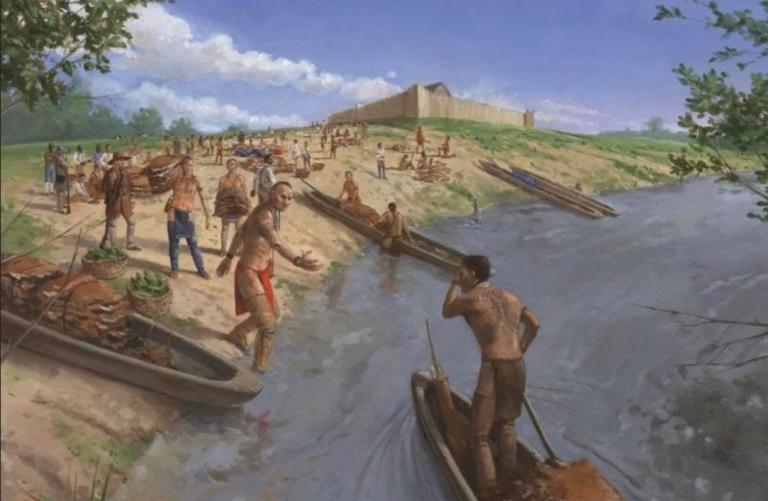
Old Hop and his fellow chiefs viewed it differently, however. For them, it was a pragmatic pact of friendship, a mutual defense against French encroachments, not a wholesale surrender of their ancestral hunting grounds. The Cherokees had traded words and tokens for promises of trade and protection, not a wholesale surrender of their ancestral hunting grounds.
This misunderstanding would fester like an untreated wound, setting the stage for bloodshed in the backcountry.
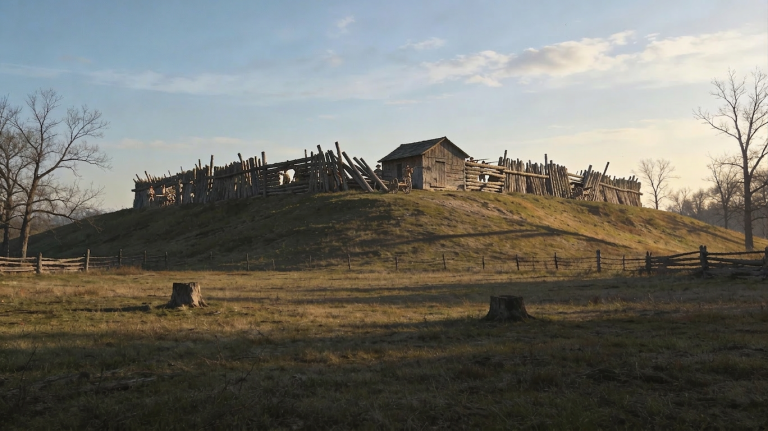
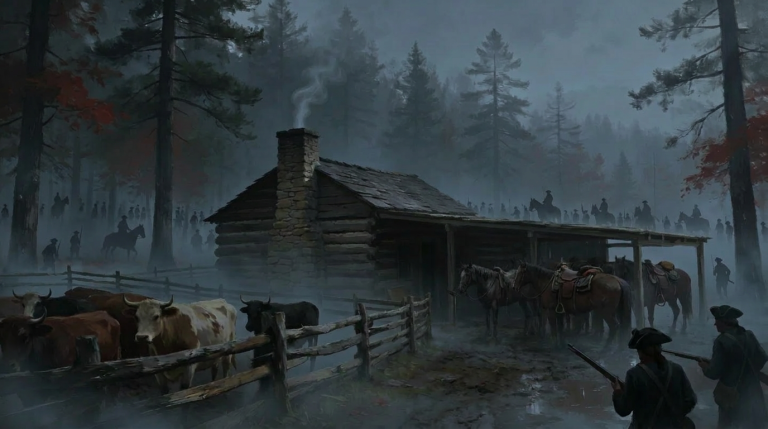
Within a few short years, wagons rolled steadily up the old trading paths and along the Saluda and Broad rivers. Scots-Irish Presbyterians, German farmers, and land-hungry second sons pressed into what would one day become Saluda County and the wider upcountry. Surveyors pressed into the lands around Old Town. The ridges and fertile creek bottoms along the Saluda and Little Saluda Rivers, once crisscrossed by Cherokee hunting paths, were soon dotted with Cabins built by settlers named Brooks, Norris, Abney, and Butler.
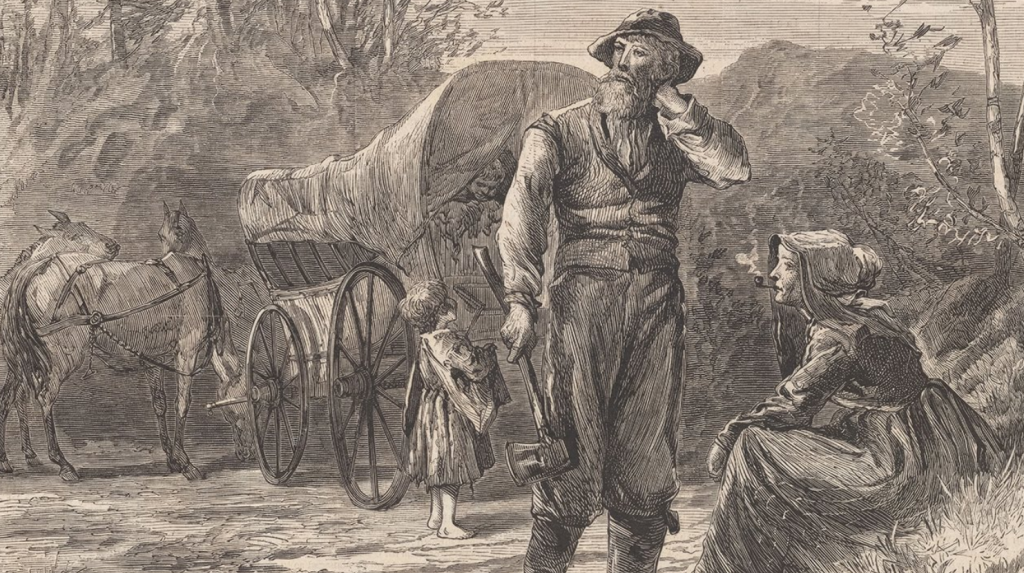
Fields were fenced. Livestock strayed into Cherokee cornfields. Each new settlement pushed the frontier farther west, and with every mile the treaty’s fragile balance frayed.
From Alliance to Betrayal
Nonetheless, as the French and Indian War reached its height, Cherokee warriors honored their alliance with the British, traveling north to fight beside colonial troops. Their departure was ill-starred. After enduring long marches and broken promises of supplies, some warriors returning home through Virginia were met, not with thanks, but with bullets—ambushed and slaughtered by nervous frontier militias who mistook them for enemies. That act of betrayal cracked the fragile trust between the Cherokee and South Carolina’s government beyond easy repair.
In the foothills, stories of the massacre spread faster than the traders could ride to calm tempers. Settlers muttered that no Indian could be trusted; Cherokee headmen declared that blood now cried for blood. Raids followed raids, and what began as isolated retribution soon widened into a spiral of frontier violence.
The Lyttleton Crisis
Into this turmoil stepped William Henry Lyttleton, the new royal governor determined to bring order to the backcountry. From his vantage in Charleston, the crisis looked like insubordination—both from the Cherokee and from the settlers who acted as if they answered to no authority but their own.
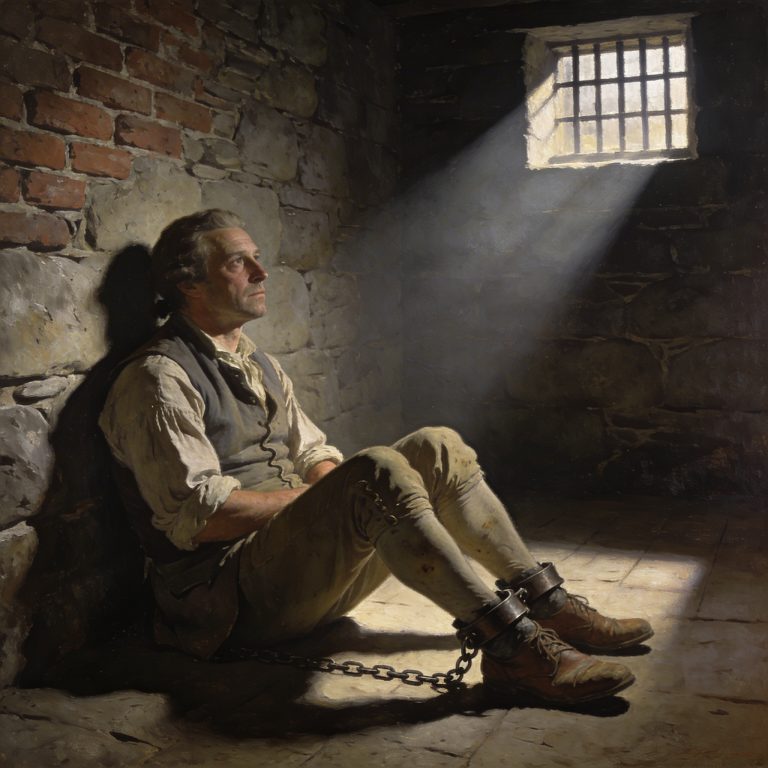
Lyttleton’s blustering efforts to control events only worsened matters. Marching inland with militia and pomp, he demanded submission and seized several Cherokee leaders as hostages, parading them as proof of British power. His performance satisfied Charleston’s Council but enraged both frontier settlers and the Cherokee nation, whose headmen saw it as a vile breach of hospitality and honor.
As an untimely bout of smallpox spread among the hostages, and others were executed in retaliation for raids, the last pretense of alliance collapsed.
The Anglo-Cherokee War had begun.
War and Chaos in the Backcountry
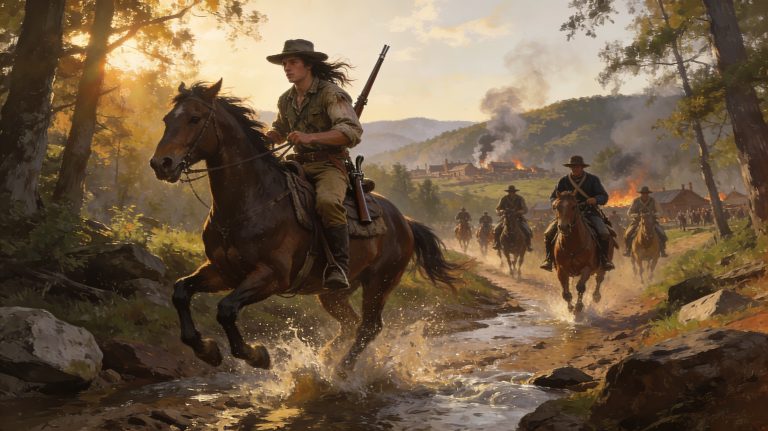
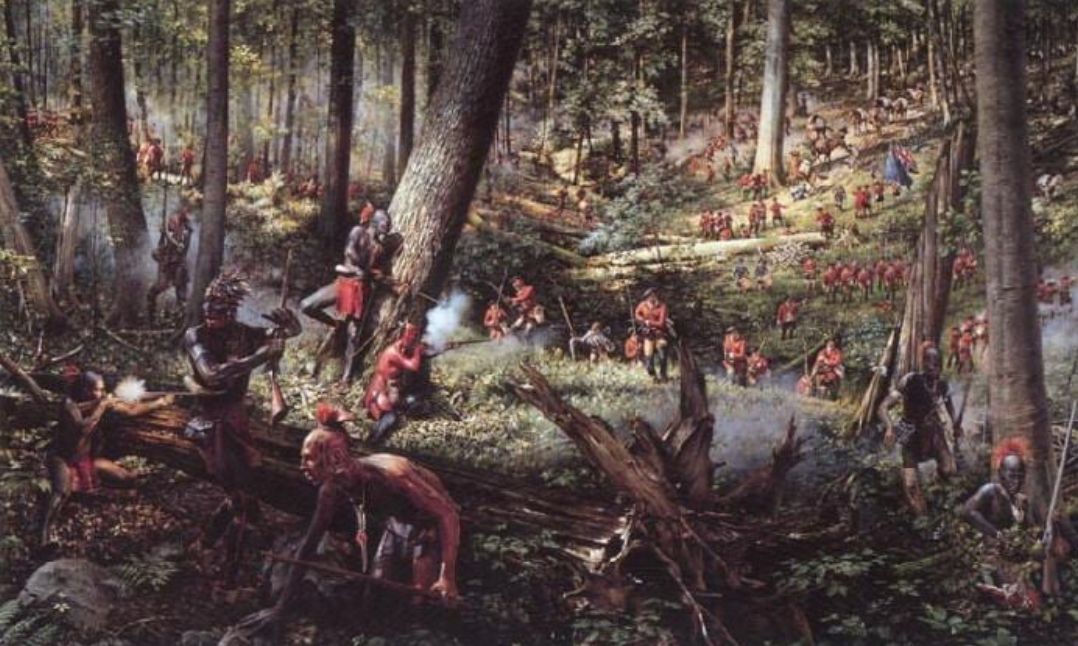
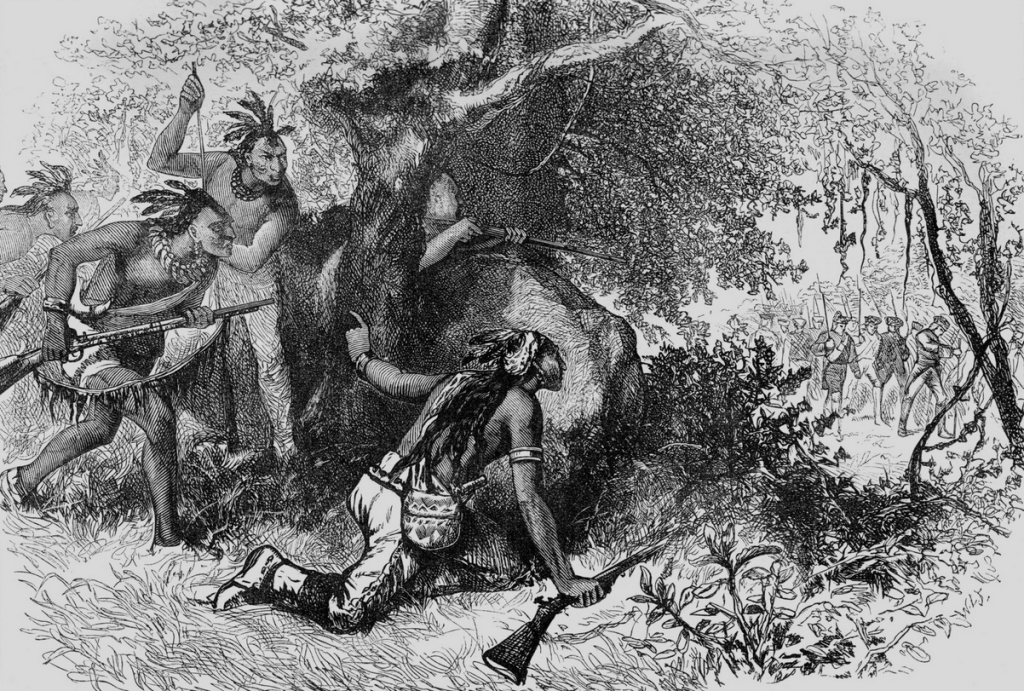
From 1759 through 1761, farms and trading paths throughout the interior burned. Settlers abandoned cabins for makeshift forts; Cherokee towns were torched by provincial troops under Archibald Montgomery and later James Grant. The war left scars deeper than those of fire—trust withered, and both sides saw the other as eternal enemy.
When the smoke lifted, Charles Town claimed victory, but the backcountry was left lawless. The king’s peace might be proclaimed in newspapers, but few in the upper Saluda country ever saw a sheriff or courtroom.
Out of this vacuum grew the “Regulator Movement.”