Part 18: Preparations for Revenge
In the backcountry autumn of 1781, the great armies had shifted away, but the scars of war were everywhere.
The British began pulling their troops out of the backcountry, even before the fall of Yorktown. For Loyalists like William Cunningham, it was clear enough: the king’s power in the interior was fading, and with it any hope of a clean restoration.
What remained, in his mind, was revenge – the revenge he began dreaming of in the swamps of Savannah.
When the British abandoned Ninety Six that summer, they left behind more than earthworks and the newly built Star Fort. They left behind Loyalists with memories—of arrests, floggings, hangings, and burned homes—that men like Cunningham could not forget.
Many Loyalist leaders, including Robert and Patrick Cunningham, went out with the British column toward Charleston. William did not. Instead, he began quietly gathering men of his own.
At first it was only a small band, about forty hard‑ridden Loyalists who, like him, were unwilling to accept that the backcountry now belonged to the Whigs. They were exiled in place: men whose property had been sequestered, whose families had been threatened or driven off.
From a rough camp in the Blue Ridge and the upper backcountry, Cunningham led these forty on sharp, punishing forays into familiar country. They struck quickly, vanishing back into the hills, testing the Patriot hold on the roads and ferries they had once used as neighbors.
But as the summer turned to fall and word of Yorktown crept south, Cunningham saw that time was running out. The British still had a grip on Charleston and Savannah, but it was clear that sooner or later they would have to let go.
If William Cunningham meant to answer what had been done to his family and the other Loyalists of Ninety Six—if he meant to settle accounts with men like the Butlers and their neighbors—he needed more than forty riders haunting the uplands. He needed a regiment.
So in the weeks after Ninety Six was abandoned, he made his way toward the coast. Around Charleston, Loyalist refugees had gathered from all over the interior: families who had fled when Patriot militias came, officers without commands, young men who could not safely go home. They lived in a sort of uneasy limbo under British protection, watching their old world disappear up the rivers behind them.
There, in the uneasy streets and encampments near Charleston, Cunningham began to recruit in earnest. He spoke to men who had ridden with him before. He reminded others of what had happened after the Snow Campaign—of Loyalists seized in their beds, of Tory farms stripped and left smoking, of neighbors who now sat in Patriot assemblies. He offered them not pay or plunder alone, but something more primal: the chance to ride back into the districts that had cast them out and make the authors of their suffering feel what they had felt.
By late October 1781, the British high command had noticed William Cunningham. Though young, his persistence, his knowledge of the country, and the small company he had already formed earned him promotion—he was now a major in the royal militia, no longer just a hard‑riding captain on the fringe. The rank did not change his temper, but it gave him authority. With it, he knew he could draw more men from the crowded Loyalist ranks around Charleston.
And That is exactly what he did.
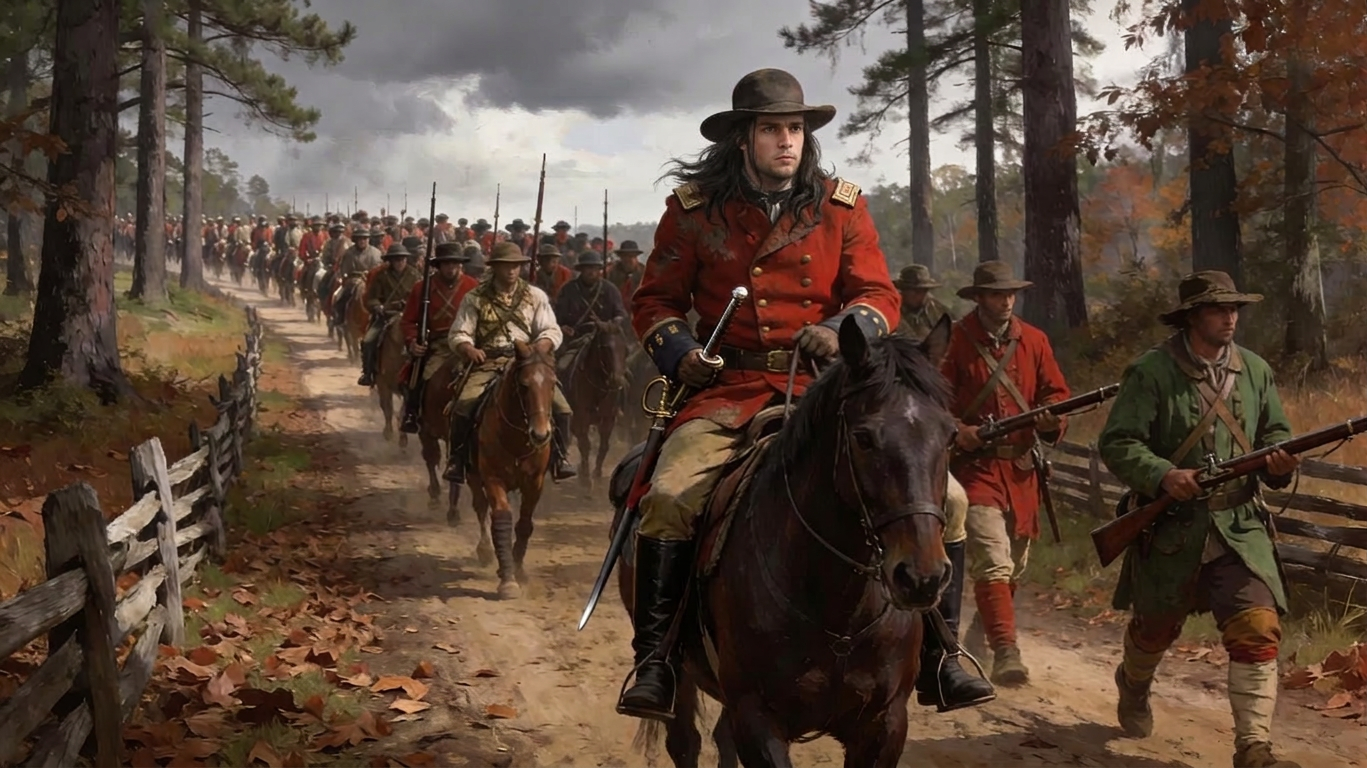
In those short weeks, his small forty‑man band swelled to something much larger. Refugees who had thought themselves finished with fighting found themselves pulled into his orbit. Some were former militiamen from Little River and the Saluda. Others had served in provincial units and now had nowhere else to go. Under Cunningham’s hand they became a mounted Loyalist regiment of roughly three hundred men—divided into scouting parties, but united by shared grudges and by their major’s promise that they were riding not just to fight, but to avenge.
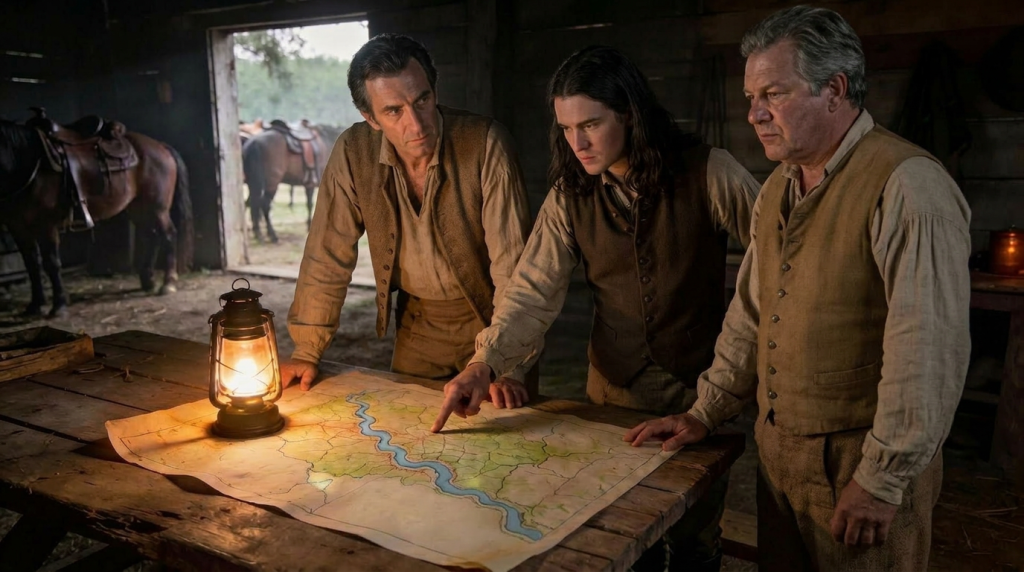
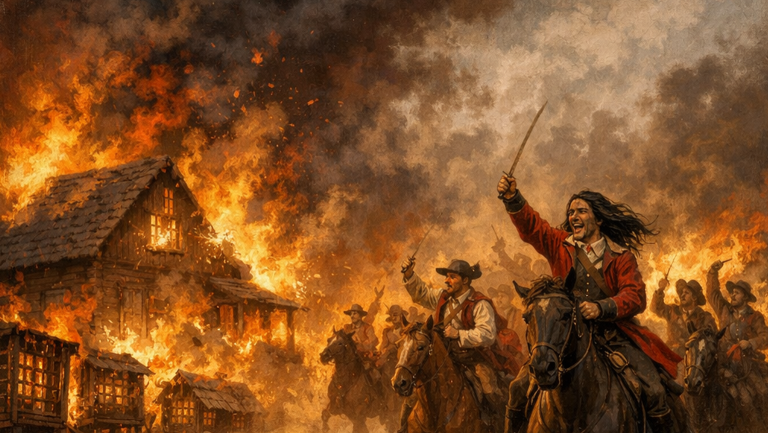
By early November, the gathering was complete. Cunningham’s regiment, newly enlarged and hardened by anger, rode out from the Charleston region into the interior. The British regulars would still hold the coast for a time, but what happened in the backcountry now was in the hands of men like him. He had begun with forty riders haunting the hills; he returned with hundreds, including Hezekiah Williams and William Radcliffe.
Their path through the Saluda area of the Ninety Six District would come to be remembered, long after treaties were signed and kings made their peace.
Major William Cunningham was on the hunt.