Epilogue: William Butler – Musings of an Old Man in his Garden
Some say the war ended badly for my family.
I say it ended badly for William Cunningham, who lived, fueled by hate, and died on a distant island before reaching the age of thirty. He left behind no one and nothing – except a legacy of blood.
To my thinking, the war brought my family honor, and made possible all the blessings of liberty that followed. Which was their purpose, after all.
Every time my father saddled his horse and shouldered his musket. Every hour that my mother stood at the window watching for his return. Or mine. Every time my brother Jim argued impatiently to join the fight.
It was all for a purpose and with a willingness to sacrifice for that purpose.
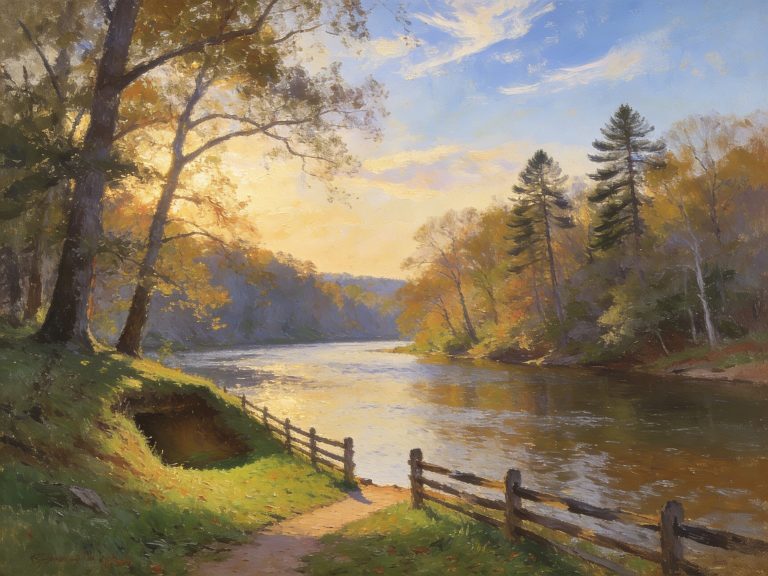
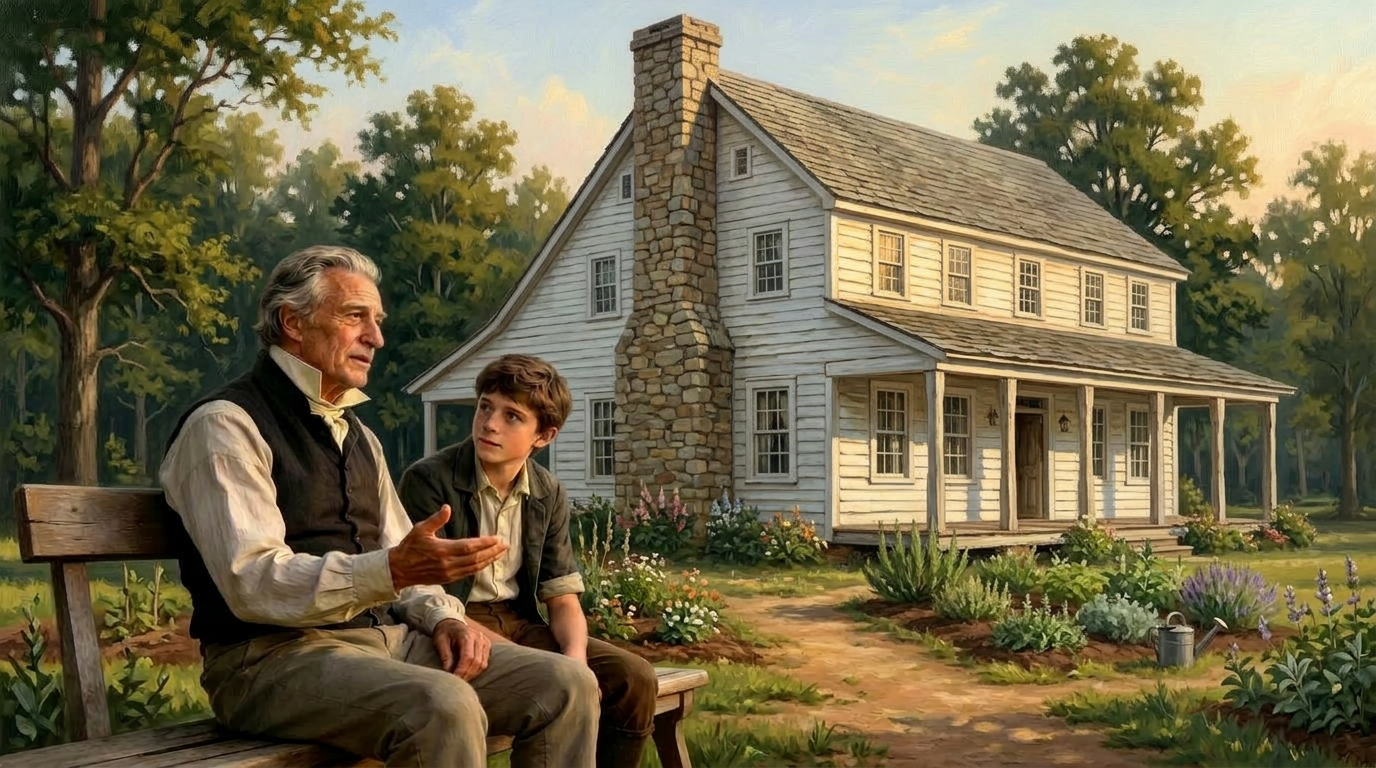
I was once captain of the Lower Ninety-Six. I am now an old man sitting in my garden beside the porch of the house I built beside the Little Saluda River. Sixty-one winters have passed me by, and I look toward another spring.
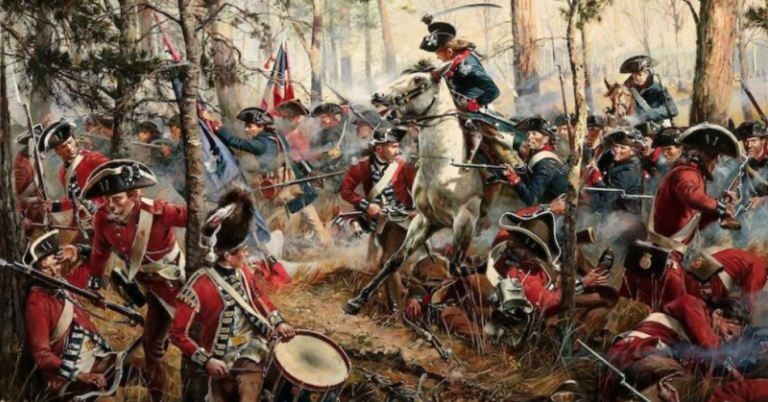
The wars I fought are long over; yet, they ride with me still, The Snow Campaign and the Cherokee War with my father. So proud to be the son of such a man. Later, riding as Captain under Thomas Henderson and as ranger with Andrew Pickens. I was major general of the South Carolina militia in the War of 1812 before serving six terms in the US Congress as a representative of my beloved South Carolina.
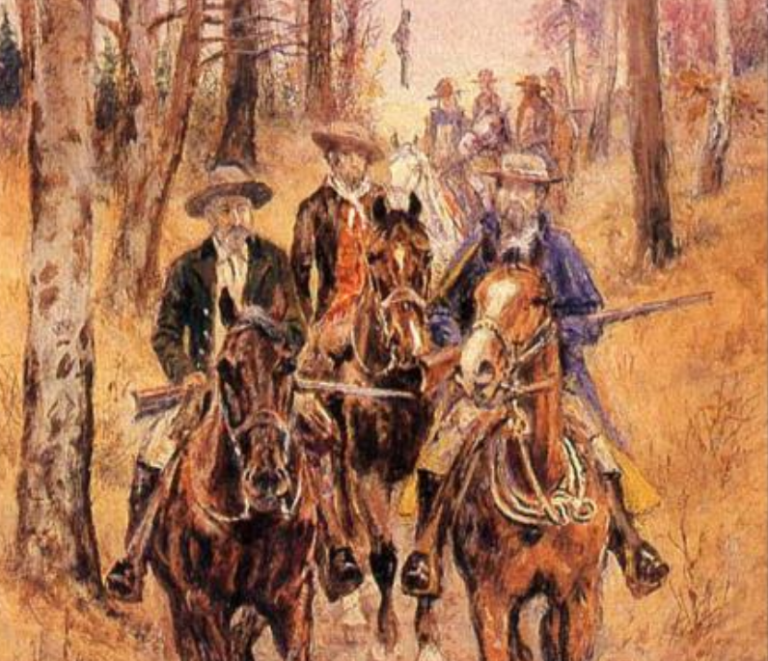
I hold all those memories close – as close as the sword I took from Bloody Bill himself on that frantic chase at Lorick’s Ferry. I was hunting for him, as were many others. I almost caught him, too. But I did get his sword. I keep it above my mantel, nicked and dull, a reminder that vengeance, like liberty, is never as clean as a man hopes.
God judged Cunningham; I only chased him.
Now I chase memories.
Memories of my father. My mother. My brothers and sisters. My comrades in arms. My wife, Behethland, who has always been my greatest reward. She was the bravest of souls, riding at night to warn patriots of danger when she overheard Loyalist plans—that is how I first noticed her.
Together we raised fine sons who have carried the Butler name into the world with honor. And my grandson—ah, I bask in the riches of a life lived in freedom.
I love to sit in this garden. The best days are when my young cousin comes to sit with me. He is only thirteen, and for thirteen years he has never tired of my stories of war – always asking about his namesake, “Captain Butler.”
The boy is called James Butler Bonham, the grandson of my Aunt Sarah who went with my sister, Nancy, to Clouds Creek on that terrible day.
He is a favorite of mine.
He reminds me of Jim.
Two hundred and fifty years later, the Little Saluda still flows past the same red clay. The hatred has long since cooled into memory, but the purpose so many families fought for—liberty, self-government, a free republic—still calls us to remember, to teach, and to guard what they won with such cost. That is why we pause here in Saluda County in 2026: not merely to mark a victory, but to honor a hard-won inheritance and to remember that we must pass it forward to those who will tend this garden after us.