Part 14: The Gathering Storm – Butlers and Cunninghams, 1776–1780
The war had not yet swallowed the South Carolina backcountry whole, but by the autumn of 1776, its shadow already stretched long across the red-clay fields and pine ridges of the Ninety-Six District.
As William Cunningham was fleeing south to hide in the swamps near Savannah, Captain James Butler Sr. and his seventeen-year-old son William rode homeward from the Cherokee Expedition. Their horses were gaunt, their powder horns empty, and their noses were still full of the smoke of burning Indian towns along the Keowee and Tamassee.
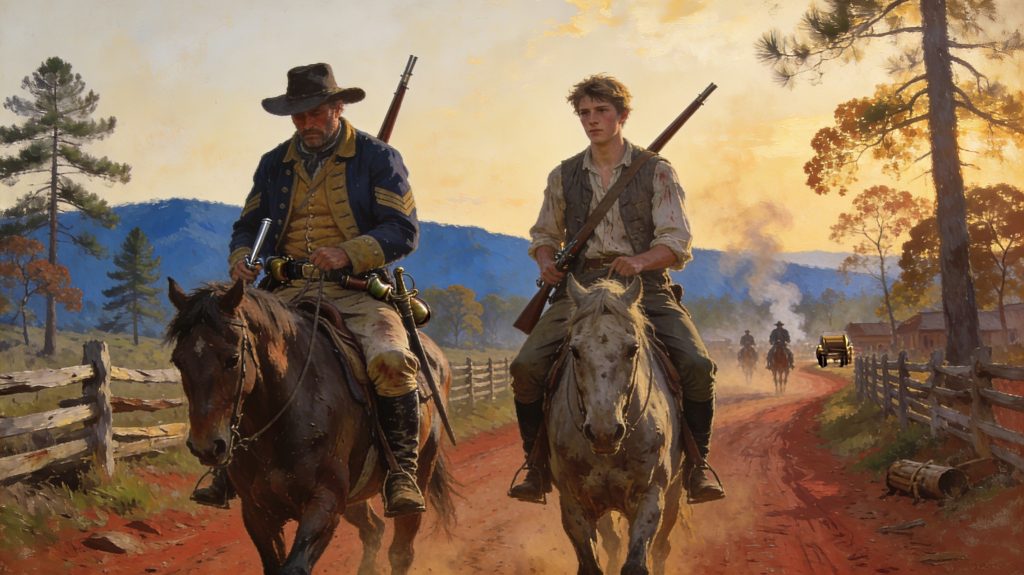
The elder Butler had worried about his wife, Mary, left alone with fifteen-year-old Jim and their younger children. They were all under the watchful eye of good neighbors while James Sr. answered Colonel Andrew Williamson‘s call.
William Butler, tall for his seventeen years, was already hardened by the Snow Campaign the winter before, and now had the Cherokee War under his belt. He had marched at his father’s side during both. They returned now to the family lands near Mt. Willing along the Little Saluda River, where corn stood tall and cattle grazed in the bottomlands.
For a few precious months the rhythm of farm life returned: clearing new ground, mending fences, attending the small log meeting-house on Sundays. Yet even in those quiet weeks the talk around the hearth was of Loyalists—men who called themselves “King’s friends”—and of distant British victories in the North.
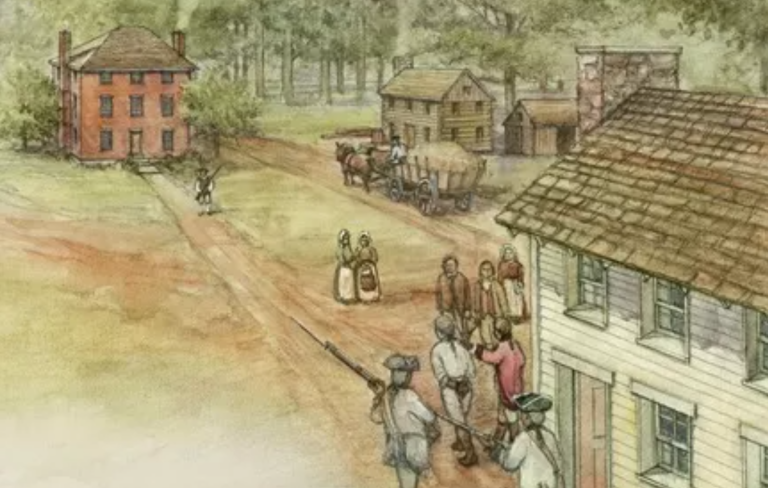
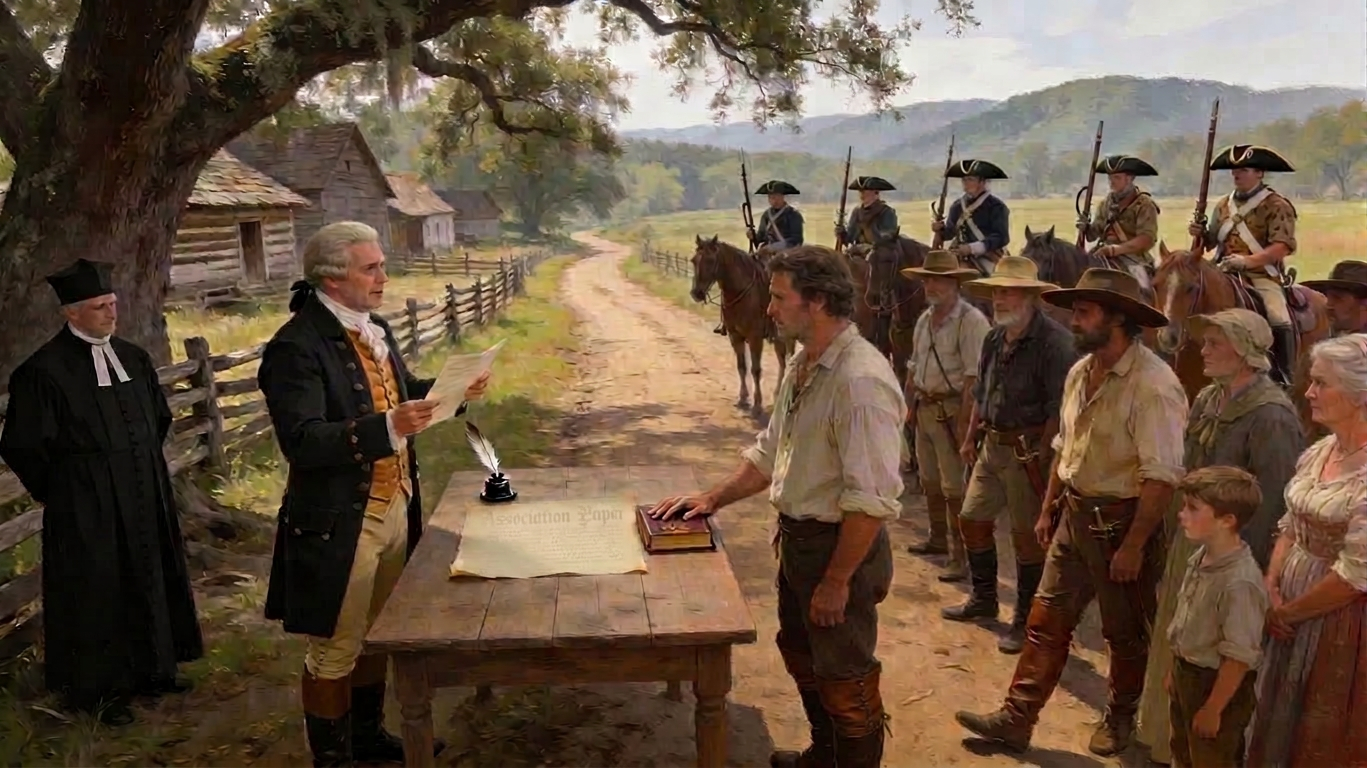
The Patriot cause was dominant in the backcountry in those years, and Whig leaders meant to keep it so. Militia riders were already making the circuit of farms and crossroads settlements, demanding that men of eligible age take the oath of allegiance to the Patriot Cause—a formal pledge, on pain of fines and forfeiture, that placed every household squarely on one side of the line.
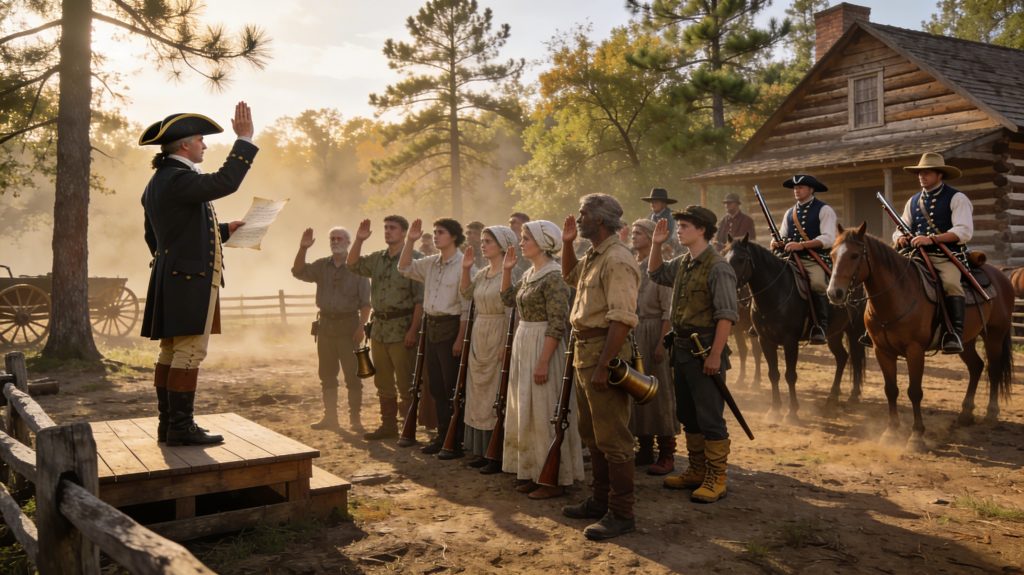
By early 1777 the militia companies of the Ninety-Six District were drilling again, this time closer to home. Captain Butler resumed command of his company, riding out on patrols that rarely ended in gunfire but always ended in exhaustion.
William, still too young for formal commission, served as a private when called, learning the backcountry arts of ambush and rapid withdrawal. On those same patrols, Butler’s men sometimes carried the duty of oath enforcement — presenting themselves at the farms of men who had not yet pledged, watching as neighbors were pressed to declare themselves before God and community.
For those who hesitated to sign the oath, the consequences were plain: loss of the right to vote, to conduct business, to buy or sell land. Robert and Patrick Cunningham, William Cunningham’s prominent Loyalist cousins, endured exactly this kind of Patriot-imposed suppression in the Ninety-Six District — prevented from holding public office, watched by Whig militia, unable to organize openly. They remained, suffering a forced and bitter neutrality. William Cunningham, of course, had avoided the pledge altogether by fleeing south into the swamps near Savannah to serve his self-imposed exile.
March of 1778 brought official change. The old Ninety-Six District Regiment was split into Upper and Lower regiments, and Captain Butler’s company fell under the Lower regiment commanded by Colonel LeRoy Hammond. The men barely had time to adjust their muster rolls before the call came for the Florida Expedition. In May, Williamson — now a brigadier — led roughly a thousand South Carolina and Georgia militiamen south toward British East Florida. Captain Butler marched at the head of his company; his son William, now eighteen and still serving in the ranks, rode with him.
The expedition was a nightmare of heat, mosquitoes, and dysentery. The column slogged through flooded lowlands and cypress swamps, supplies rotting faster than they could be replaced. Skirmishes with Loyalist irregulars and Creek warriors flared along the St. Mary’s and St. Johns rivers, but no decisive battle was ever joined. By July the Patriots were forced to turn north again, fever-ridden and half-starved, their dreams of seizing St. Augustine in ashes. Captain Butler brought his company home thinner but unbroken, the men grumbling that the British would never be beaten by half-measures.
Young William Butler, however, had taken a different path. Early that year he received a lieutenant’s commission in Count Casimir Pulaski’s Legion, a mixed force of Continental infantry, cavalry, and light artillery then operating under Lincoln. The younger Butler left the family farm for the more formal discipline of the Legion, riding to Charleston in May 1779 as part of the reinforcements pouring into the city.
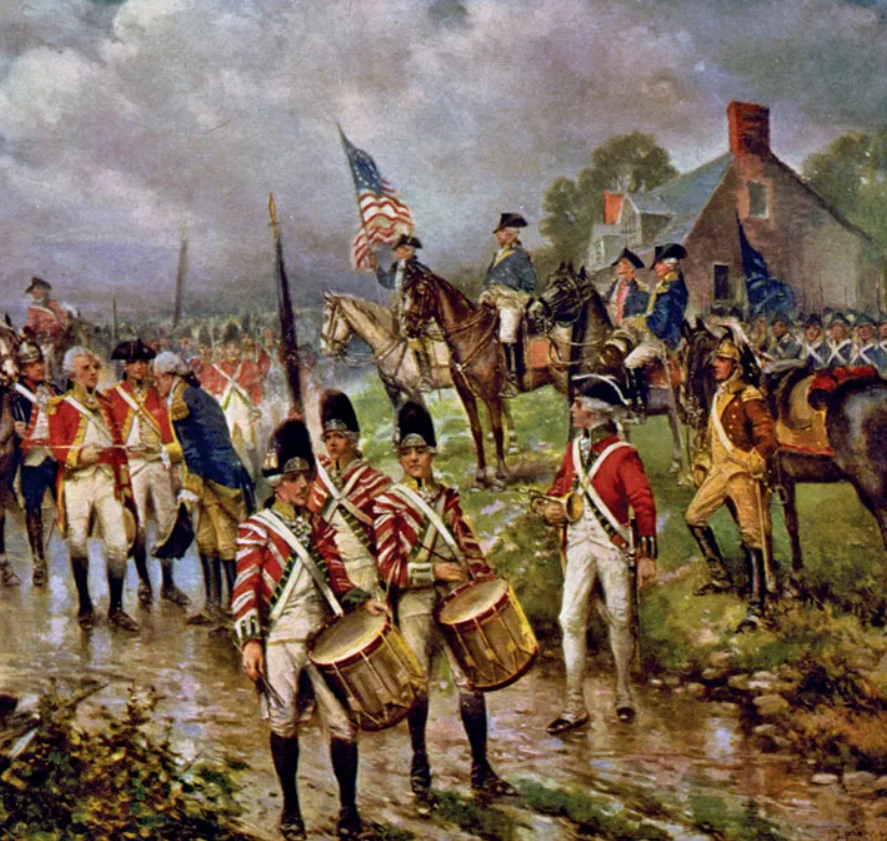
The winter of 1778–1779 passed in uneasy watchfulness. British forces had taken Savannah in December, and the war was creeping northward. In February 1779 Captain Butler answered General Benjamin Lincoln‘s summons and marched his company to the Patriot camp near Augusta, Georgia. The plan was to block British thrusts from Savannah toward Charleston. But illness — likely the lingering fever from Florida — struck him hard, and he was forced to remain behind while healthier units pressed on.
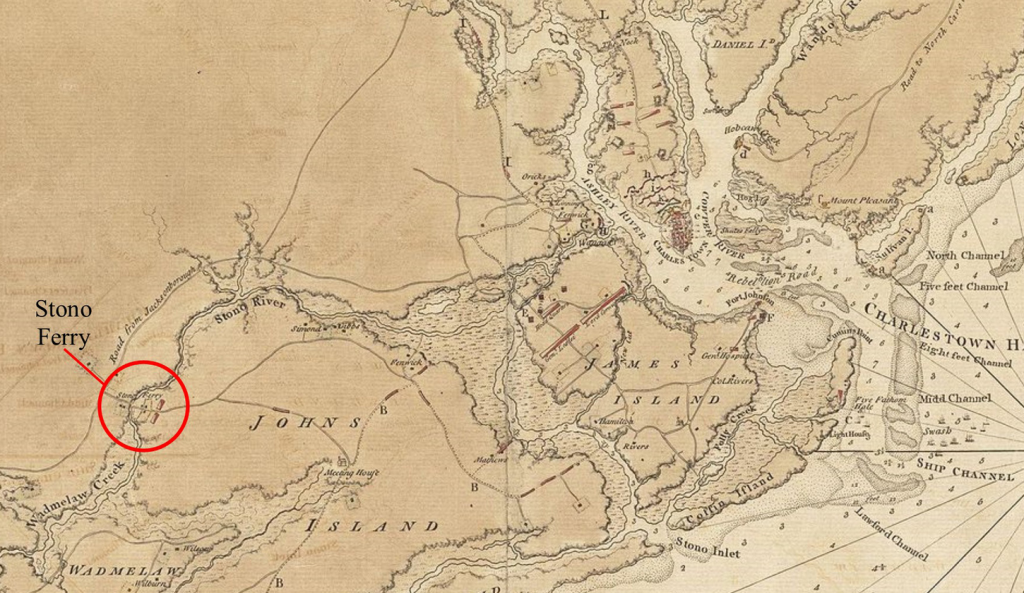
That summer William saw harder fighting than his father had ever faced. On June 20, he was in the bloody repulse at Stono Ferry, where Pulaski’s men charged British redoubts under withering fire. The Legion suffered heavily, but a British advance on Charleston was checked — for the moment.
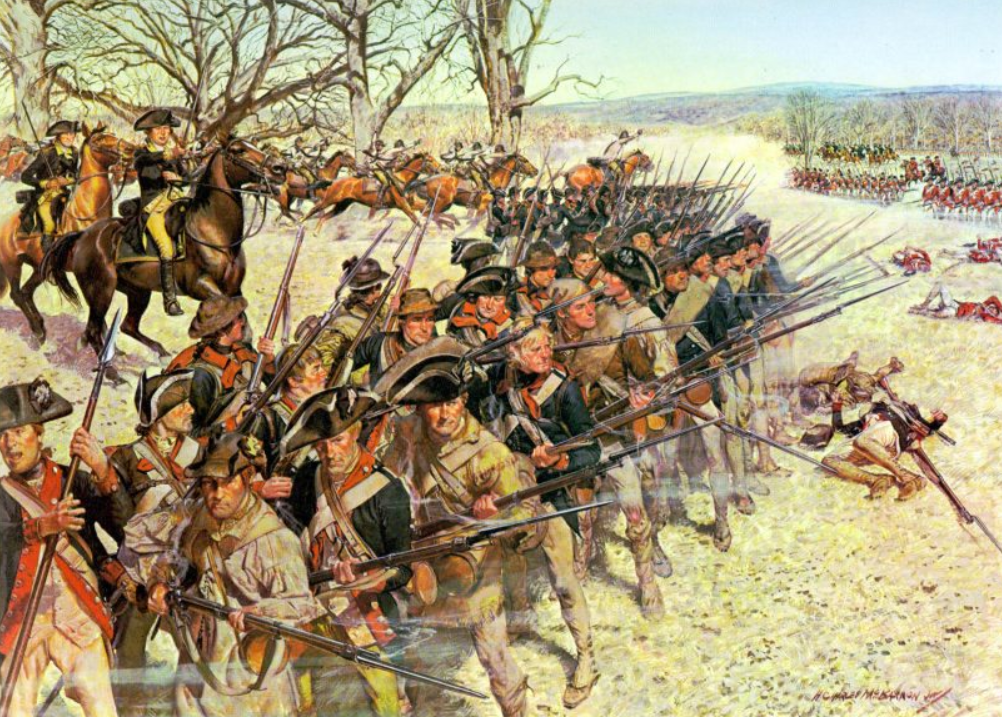
By autumn William was marching again, this time toward the failed Siege of Savannah in October. He watched Pulaski fall mortally wounded in the assault and helped carry the wounded from the field as the Patriots withdrew once more. News of these actions reached the Saluda River slowly, delivered by couriers and returning militiamen.
Mary Butler prayed nightly for both her husband and her eldest son.
Through the winter of 1779–1780, Captain Butler recovered from his illness and resumed command of his company in the Lower Ninety-Six District Regiment. Finally, with his father’s consent, Jim Butler joined him. He served only in local skirmishes protecting Patriot families and property from Loyalist aggression.
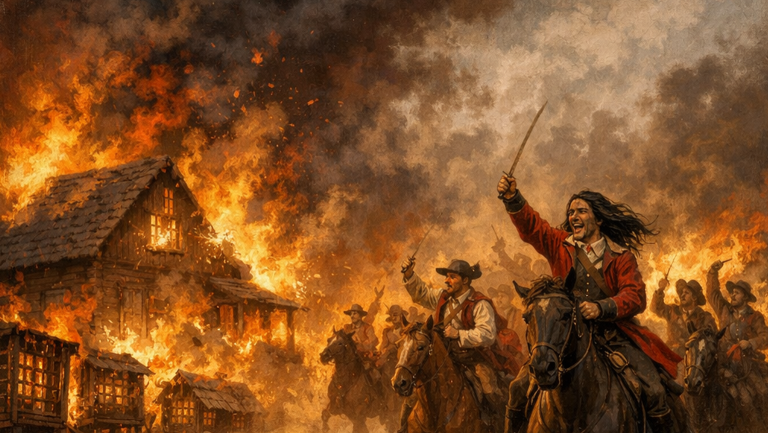
The backcountry simmered. Loyalist raids grew bolder, and rumors of atrocities swirled. Word was William Cunningham had appeared out of nowhere in January 1779 and murdered Captain William Ritchie in front of his family.
Small parties of Whig militia, including some of Butler’s men, rode out to look for Cunningham, but he had disappeared without a trace.
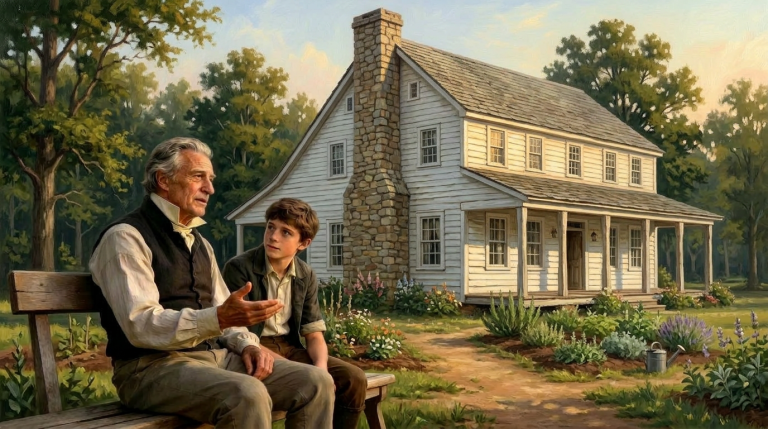
William Butler, having survived the costly Patriot defeat at Savannah, rotated between Legion duties and visits home when leave allowed. Father and son met briefly at the family cabin in the spring of 1780 — two hardened soldiers now, one graying at the temples, the other twenty years old and bearing the scars of Stono Ferry. They spoke little of glory. Instead they spoke of seed corn, of whether the British fleet rumored to be sailing north would strike Charles Town, and of what would become of the younger children if the war reached their doorstep.
With Jim Butler now serving in the local militia, it was now Thomas Butler who was expected to stay home to care for his mother, his younger siblings, and the farm when his father and two older brothers were in service.
By late March 1780 the British, under Sir Henry Clinton, had landed south of Charles Town. Lincoln called every available man to the city’s defenses. Captain Butler answered Lincoln’s call once more, and prepared to march his company toward the coast. Jim would remain home to participate in local protection.
William Butler, still attached to Pulaski’s Legion, was already there.
In the cool dawn of an April Morning, James Butler readied his gear to begin the ride to Charles Town. As his family gathered at the gate, Mary pressed a small Bible into his hand.
No one spoke of finality, yet every heart knew the storm was close upon them.
Down the road, after one long, look back at the ones he loved most in the world, James Butler turned his horse to ride south one more time. He carried the quiet determination of a man who had already given everything the war had asked.
He would give much more before it was done.