Part 13: The Lashes that Turned Me Tory
I once marched with the very men who would later curse my name: William Cunningham.
In the beginning they persuaded me with promises. They swore I could serve close to home, guard the backcountry I loved, and would not be dragged down to the lowcountry to stand duty for Charleston’s merchants and lawyers.
I believed them.
I took up my musket for the Whig cause, rode with their militia, and followed their officers to Fort Charlotte under Major Mayson and then into the Cherokee country under Williamson. We crossed rivers, stalked dark woods, and put torch to Cherokee towns and cornfields, calling it duty and necessity.
I told myself I was defending my own, alongside men whose word I could trust.
The truth of their promises unraveled as soon as the danger shifted.
When the Cherokee campaign ended and orders were handed down, the very officers who had sworn I would not be sent to the lowcountry spoke of posting me there as if nothing had ever been said. I had no wish to leave the hills and creeks I knew to stand guard in the marshes for men who had never seen a frontier cabin. I had kept my part in the fighting. They had not kept theirs. So I resolved to leave them.
They called it desertion.
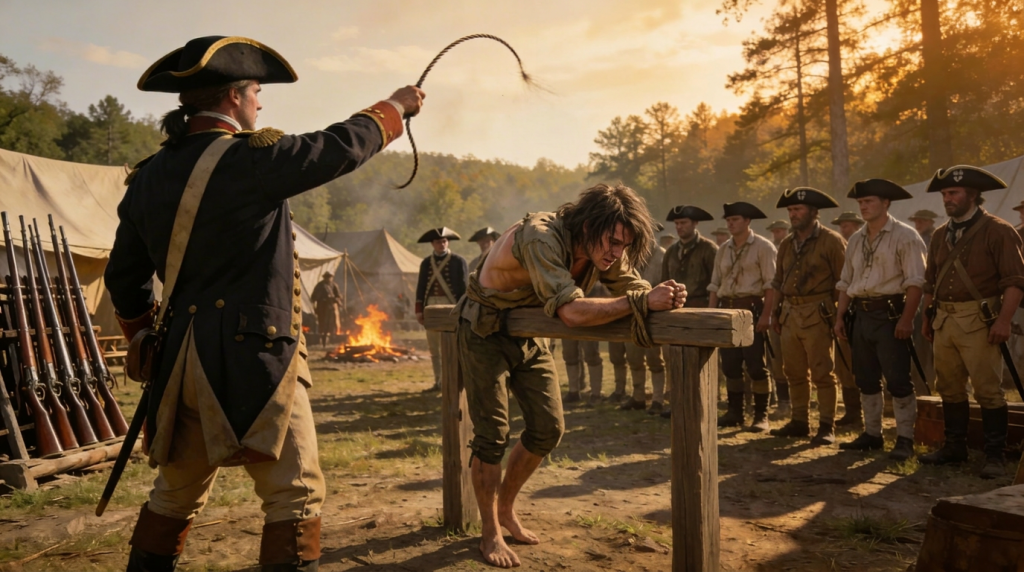
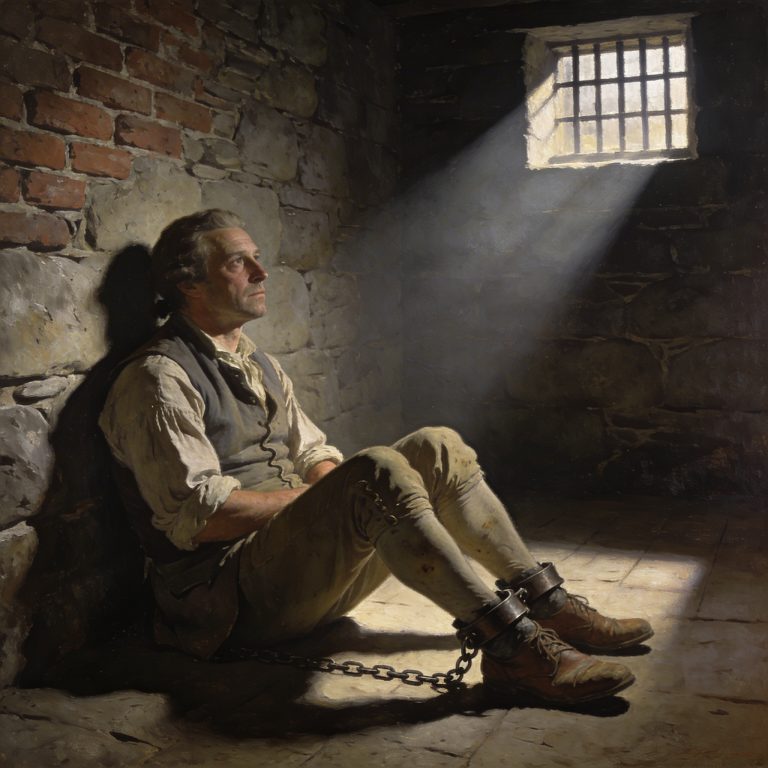
They caught me and dragged me back into camp like a criminal. John Chapman, an officer of the same cause I had once trusted, ordered me tied and flogged before the others. The lash bit into my back again and again, each stroke a lesson in what Whig “liberty” meant. The men watched—some ashamed, some stone-faced, some satisfied. Chapman called it discipline. I called it betrayal.
Whatever loyalty I still held toward the Whigs was cut away with the skin on my back.
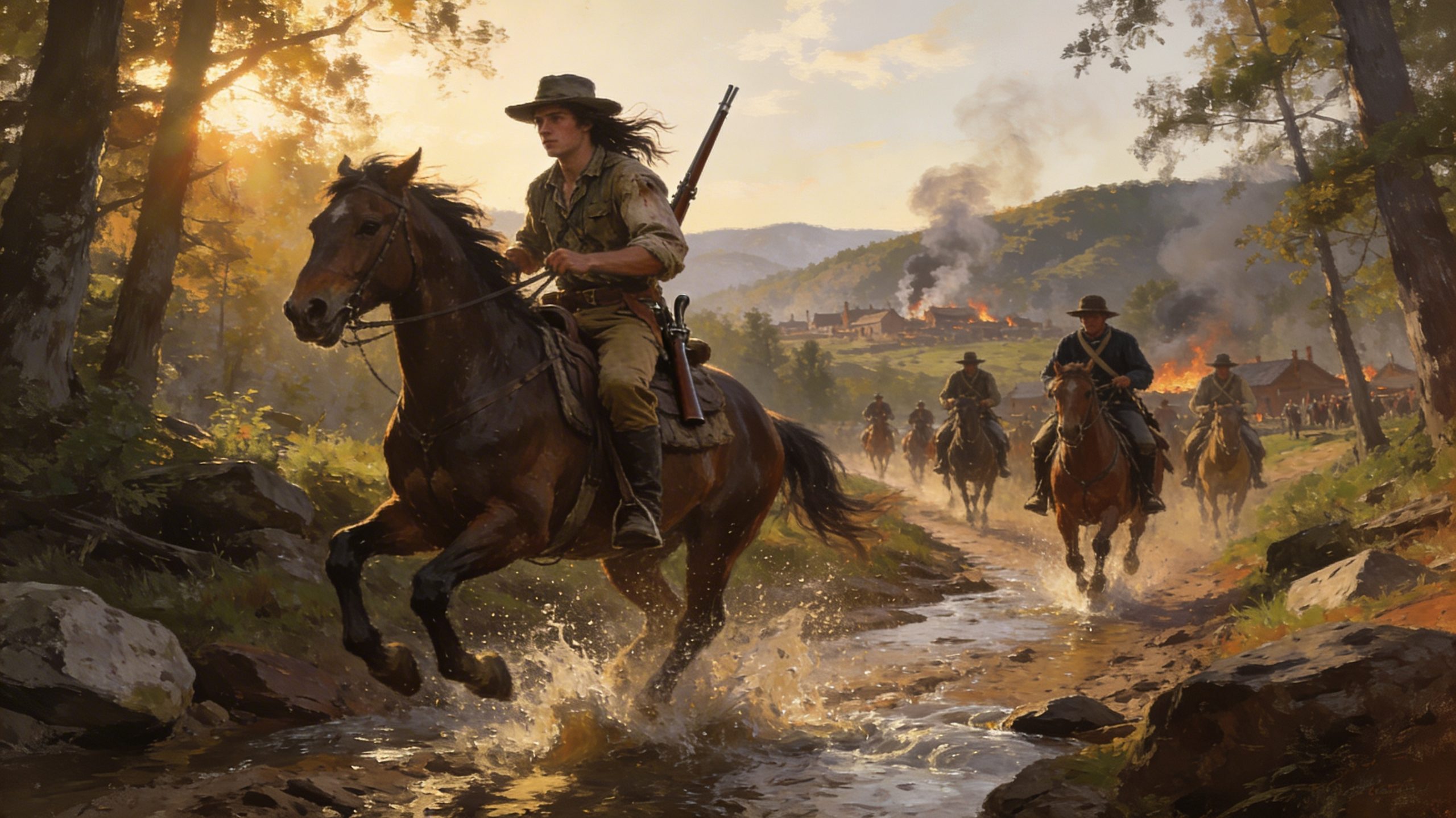
When I finally got clear of their reach, there was no going back to Ninety Six as if nothing had happened. The committees watched everything, and a man marked as I was could not breathe without their leave. I slipped south and west, through pine barrens and swamps, into the wild reaches near East Florida, where the King’s authority still held and the Whigs’ writ grew thin. There I met other refugees—men who had been whipped, plundered, or hunted because they would not bow to the new order. Around our campfires, stories of Whig “justice” were as common as smoke.
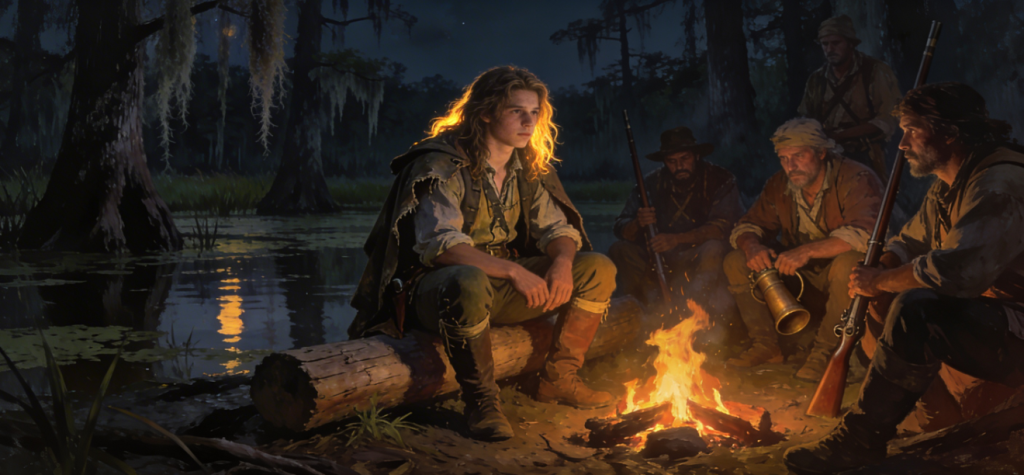
It was there, in exile, that the worst news found me.
Word came from home that a Patriot officer, Captain William Ritchie, had ridden to my father’s place with a party of Whigs. They stormed into the house, cursed my people as Tories, and set about proving their power. My father was terrorized, threatened in his own dwelling. My brother—sickly and weak, and no threat to anyone—was taken out and lashed like a hardened criminal. The beating was so savage that he never rose from it. They flogged an invalid to death in the name of their cause.
When I heard it, something in me went cold and hard.
From that moment, I knew exile in Florida would not be the end of my story. I would have to walk back into the country that had cast me out and avenge the cruelty done to my family.
And so I walked.
I left the Florida wilds and made my way north, step by step, through familiar creeks and ridges, carrying one thought like a stone in my chest: Ratcliffe. I knew his habits. I knew where he liked to eat and to drink. I knew where he lived.
When I finally reached his home, I did not come as a supplicant. I came as a man with a reckoning to deliver.
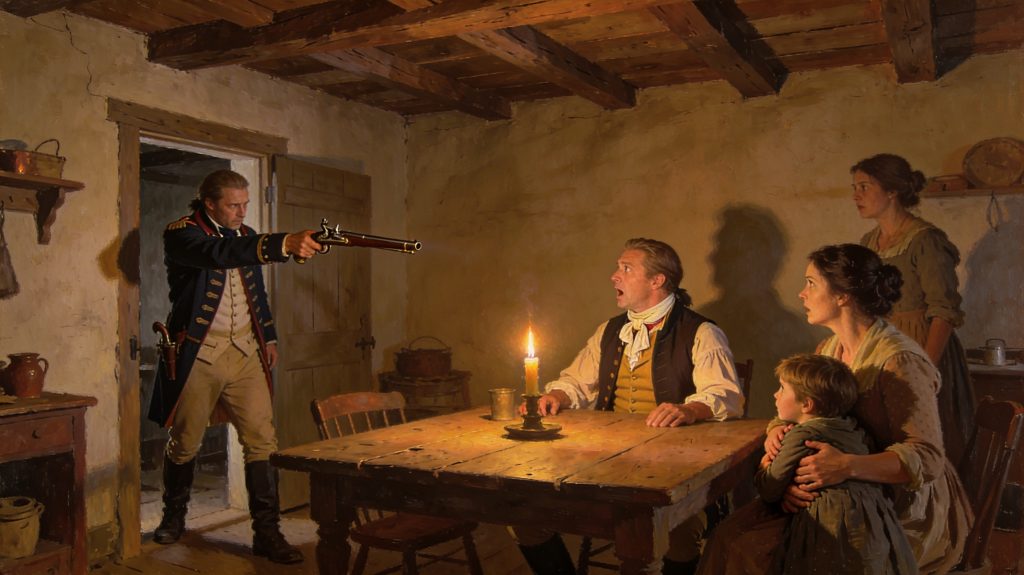
He was his table when I found him, seated with his family, enjoying the comfort of a house he had never had to defend the way frontier people must.
I stepped into that room with a loaded weapon and the memory of my brother’s blood. I let him see me, let him know exactly who had come. There were no long speeches. I raised my gun and shot Ratcliffe at his own dinner table, in front of his family, just as he had stood over mine.
After Richie fell, there was no lingering. I headed back across the Savannah and down into Florida once more.
For two years, I hid. And I simmered.
The Florida swamps swallowed me, but they could not cool the fire in my veins. Every night the lash scars stung like fresh wounds; every dawn I saw my brother’s broken body, my father’s terror, Ritchie’s blood pooling on his own table.
The men who had promised me liberty had instead taught me its true price: a hollow word, enforced by whips and graves.
In time, others found me—more broken Whigs turned refugees, men who’d tasted the same betrayal. We spoke little of forgiveness. We spoke of powder, lead, and names. When the British banners returned to the lowcountry, I crossed back over the Savannah one last time—not as a fugitive, but as a man with a company at my back and a list in mind.
They would call what came later “massacre.”
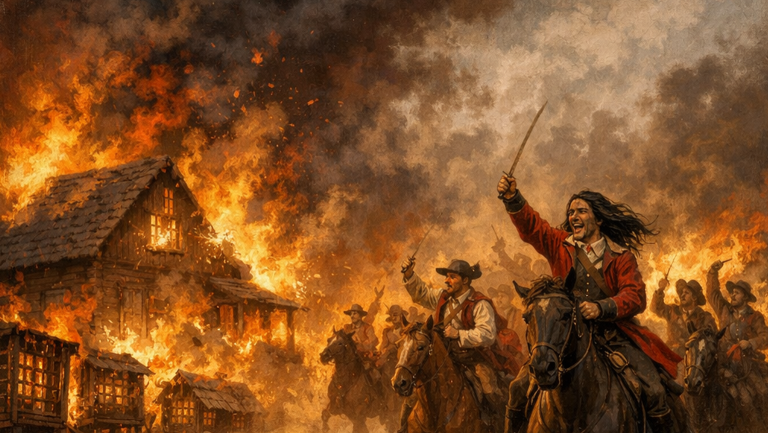
I called it justice. And the Carolina backcountry would burn with it.