Part 12: Another Cherokee War
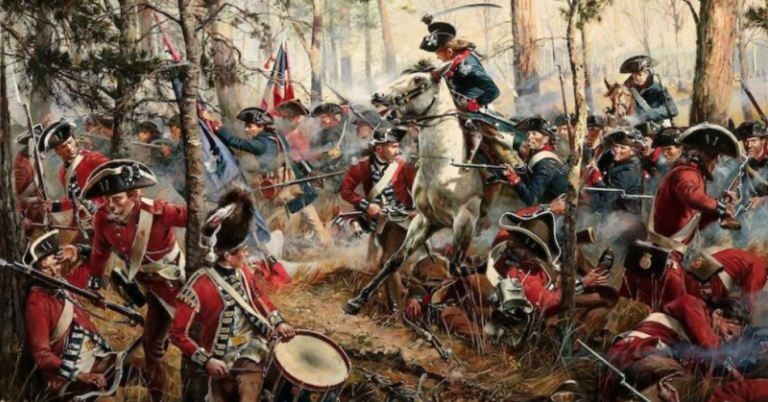
The Snow Campaign brought a temporary calm to the backcountry, but the underlying tensions persisted. Loyalist figures like Patrick Cunningham, though defeated and scattered, had already been accused of encouraging Cherokee raids on settler communities as a means of aiding the British cause.
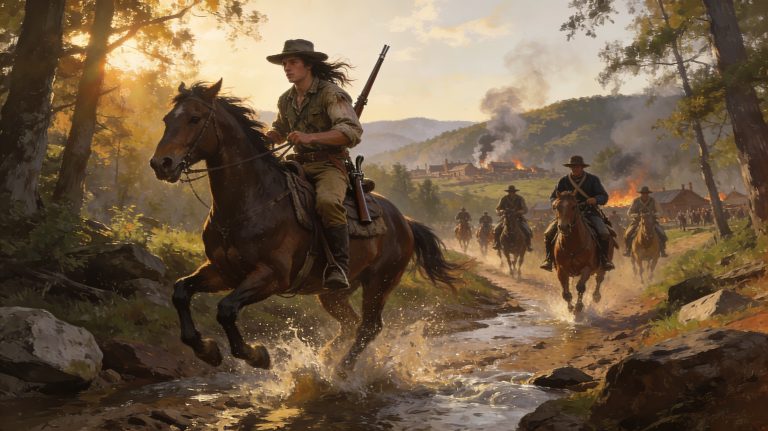
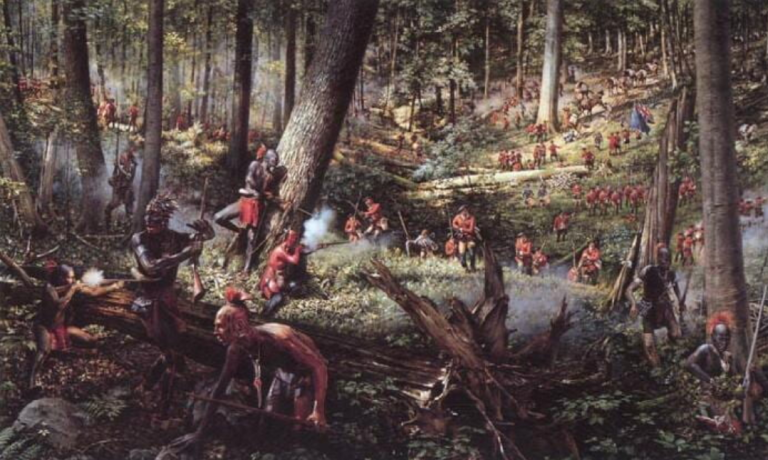
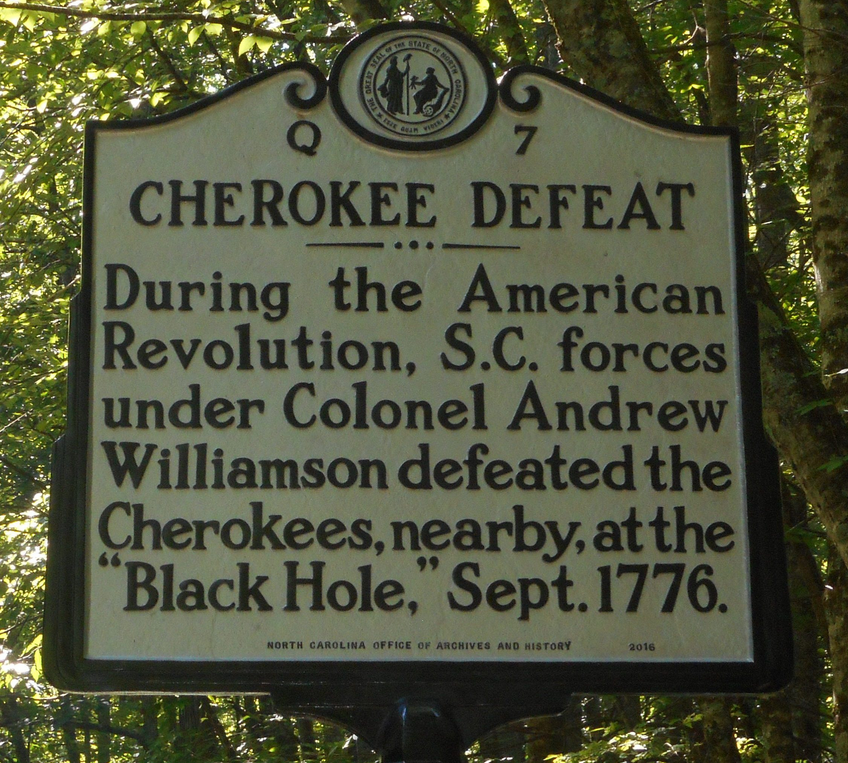
When coordinated Cherokee attacks finally erupted in the summer of 1776, striking fear across the frontier, many of the same Patriot militiamen who had marched through the snow months earlier were called upon again. This time, under Maj. Andrew Williamson, they turned their attention westward to punish the Cherokee and secure the vulnerable settlements. This marked a brutal escalation of the conflict in the region.
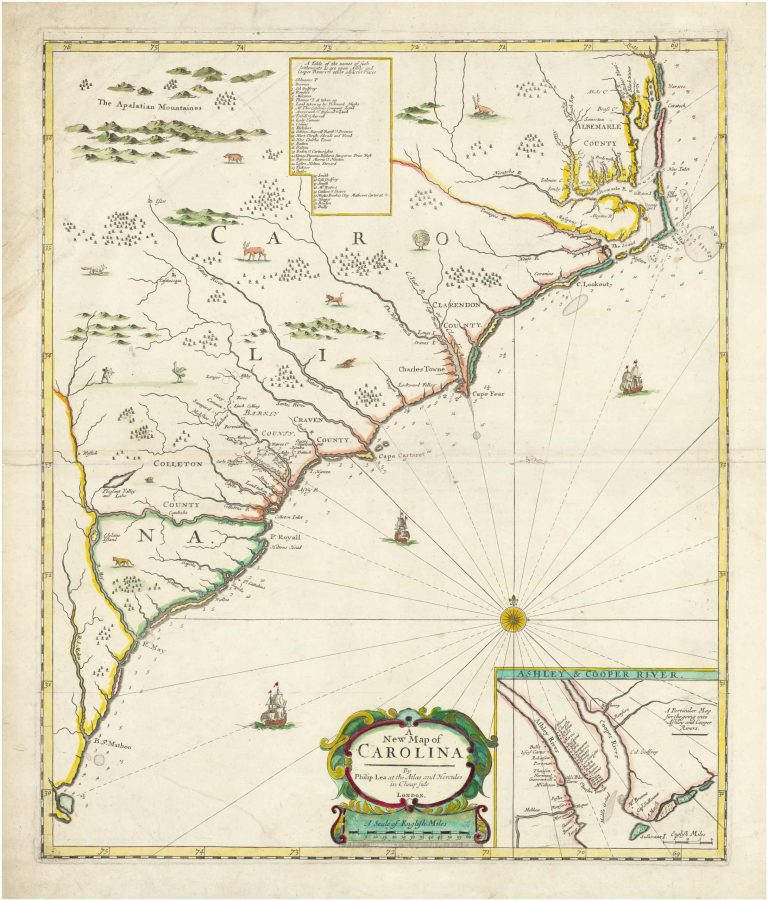
The Cherokee War of 1776 in South Carolina was a punitive frontier campaign launched after coordinated Cherokee attacks on backcountry settlements in June and July 1776, encouraged in part by British agents hoping to divert Patriot resources. South Carolina authorities ordered Maj. Andrew Williamson to lead a large militia force from the Ninety Six District into Cherokee country, while parallel expeditions from North Carolina and Georgia struck other Cherokee towns.
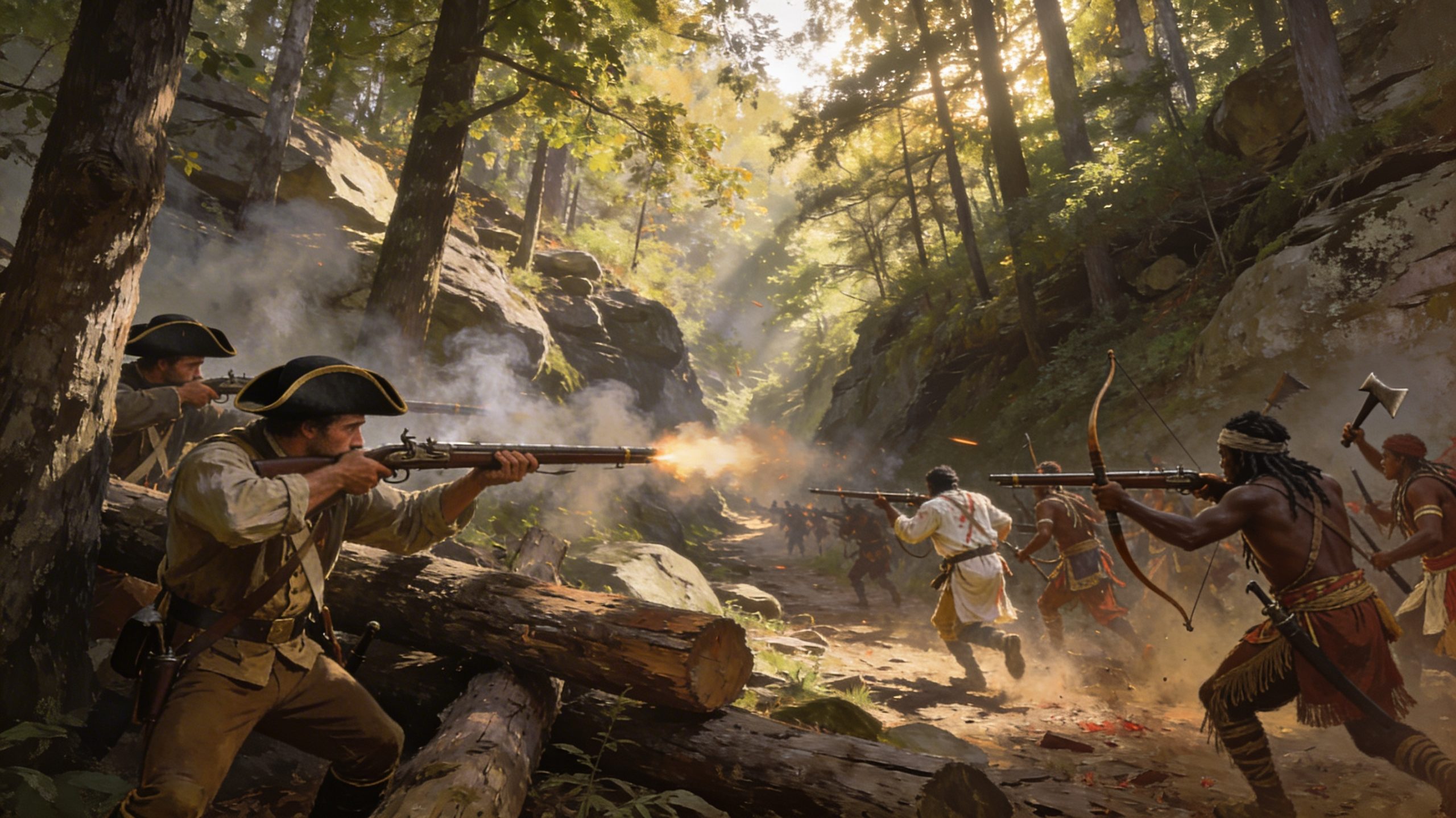
Williamson’s column, which included Capt. James Butler Sr. and William Cunningham among its officers and men, advanced from Ninety Six toward the Lower Cherokee Towns, fighting through ambushes at river fords and in narrow mountain terrain.
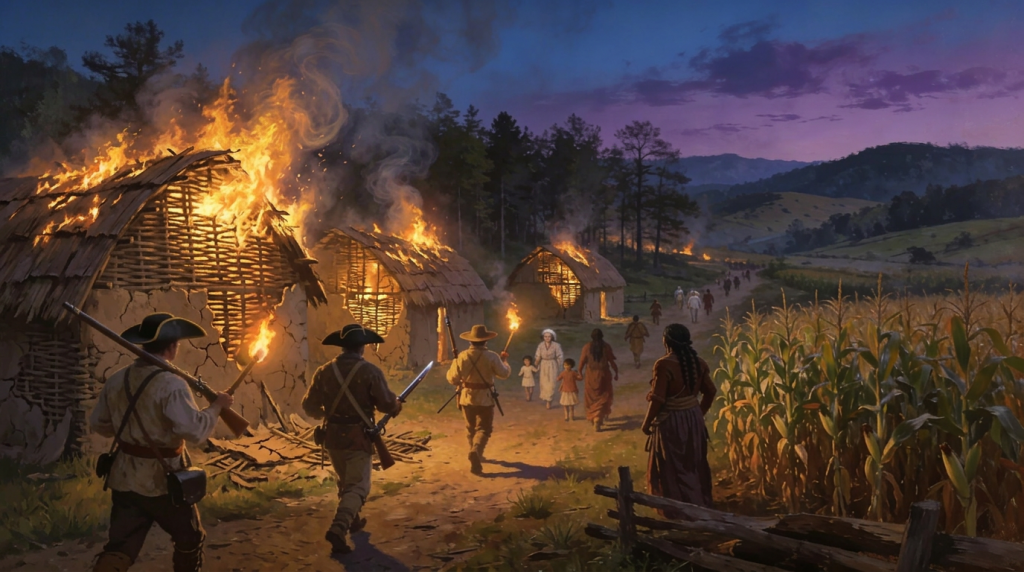
The militia burned a chain of Cherokee settlements—towns such as Keowee, Estatoe, Tugaloo, and others—along with their cornfields and food stores, breaking organized resistance in the Lower Towns by late summer 1776. In September, Williamson coordinated with North Carolina forces deeper in the mountains, and together they destroyed additional Middle and Overhill towns, leaving much of the Cherokee Nation devastated as winter approached.
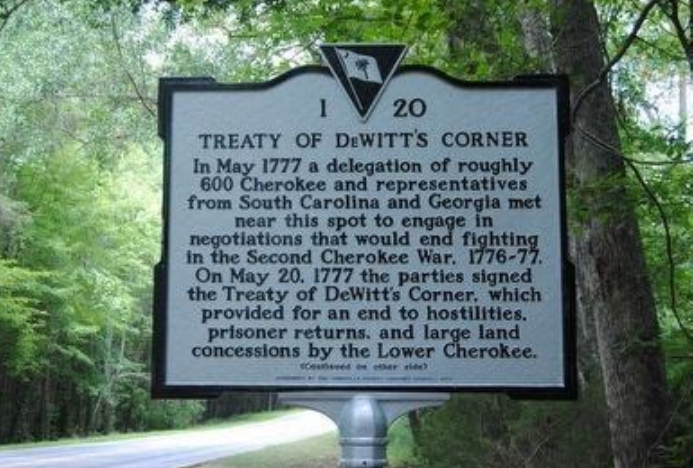
By the Treaty of DeWitt’s Corner in 1777—in what is now Abbeville County—the Cherokee ceded large tracts of land in present-day Upstate South Carolina and agreed to peace, though frontier tension and smaller raids continued.
The harshness of the campaign and the later course of the Revolution in the backcountry deepened old grievances: after serving in this early Patriot effort under Williamson, William Cunningham grew increasingly disillusioned with the Whigs. That resentment would later drive his revenge, leaving a bloody trail of death across the area that would become Saluda County.