Aftermath
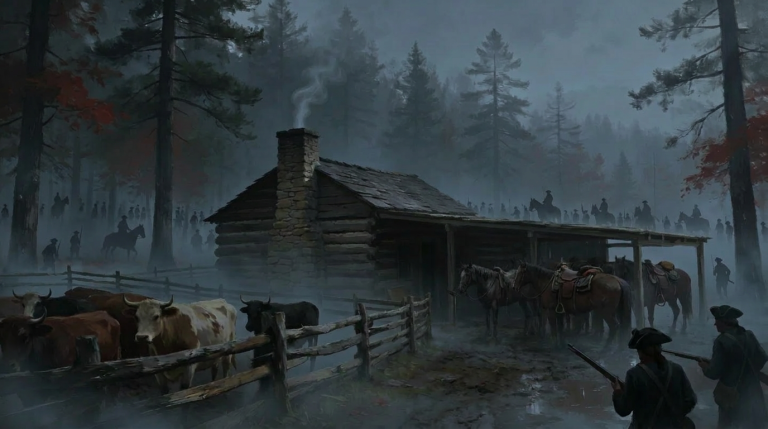
In South Carolina the Revolutionary War did not truly end with the British surrender at Yorktown in 1781. For more than a year afterward, skirmishes, raids, and reprisals continued across the Lowcountry and backcountry, as neighbors who had chosen different sides settled old scores in what was, in many communities, a civil war.
Over the course of the conflict, more battles and skirmishes were fought on South Carolina soil than in any other state, and many historians consider the struggle here to have been among the bloodiest and most violent of the entire Revolution. Plantations were burned, families were driven from their homes, and the line between soldier and civilian often disappeared.
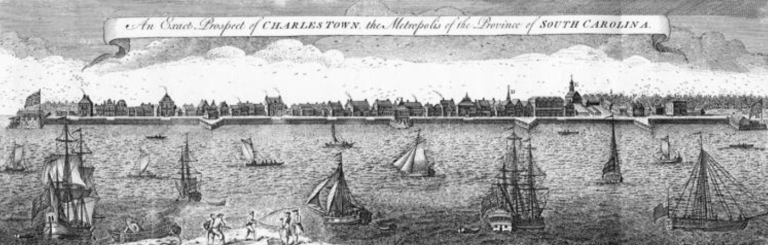
Yet, even this harsh war finally came to a close. The last engagements around Charleston dragged into 1782, and on December 14 of that year British troops marched down to Gadsden’s Wharf, boarded their ships, and sailed away, ending more than two years of occupation. For the people watching from the streets and nearby plantations, that day—the evacuation of Charleston—felt like the true end of the war in South Carolina.
The peace that followed was imperfect, but remarkable in its own way. The descendants of Both Patriots and Loyalists would build the new country together.
Among the sons of Patriot William Butler were Dr. William Butler Jr., who served as a United States Representative from South Carolina. Another, Pierce Mason Butler, became governor of South Carolina in the 1830s and later died as a colonel leading South Carolinians in the Mexican‑American War.
A third son, Andrew Pickens Butler, served in the United States Senate, carrying the family name into national debates over the Union that his father’s generation had helped to secure.
Butler’s grandson, Matthew Calbraith Butler, would become a Confederate major general and later a U.S. Senator from South Carolina, proof that the same Revolutionary bloodlines could divide over the nation’s future even as they continued to shape its public life.
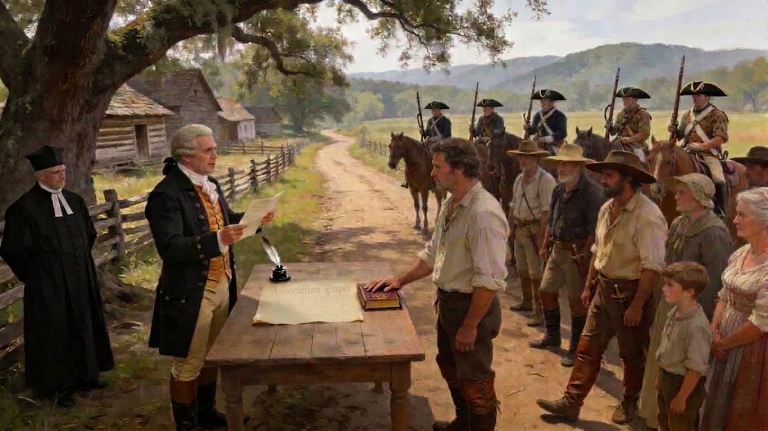
Though thousands of Loyalists left with the British, the new state gradually chose reconciliation over endless retribution, allowing many who remained to rebuild their lives alongside former enemies.
One of them was Loyalist officer Patrick Cunningham who, after signing an oath and paying reparations, was able to hold on to his Rosemont Plantation. As a result, Rosemont survived the upheaval and stayed in the family into the next century. His granddaughter, Ann Pamela Cunningham, was born there in 1816. In the 1850s, she founded the Mount Vernon Ladies’ Association. She rallied women across the country, and led the effort to save George Washington’s home from decay.
It is a striking legacy: from a South Carolina plantation tied to a staunch Loyalist, emerged the woman who helped the nation remember, and preserve, the home of its first president.
Ann Pamela Cunningham is recognized as the founder of National Historic Preservation in America.