Part 10: From Mine Creek to Savage’s Old Fields
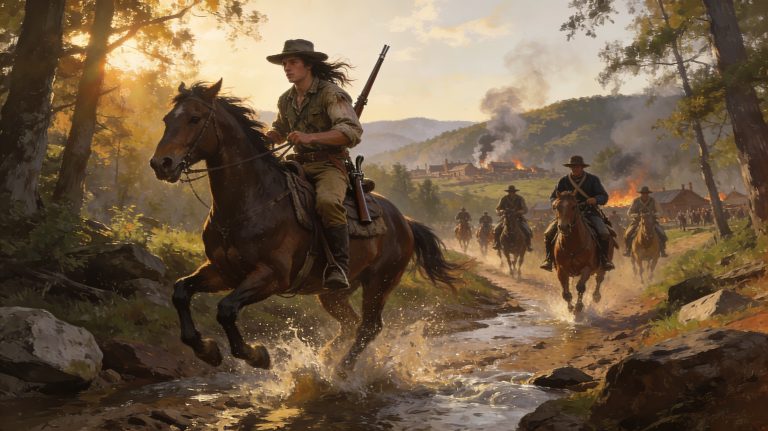
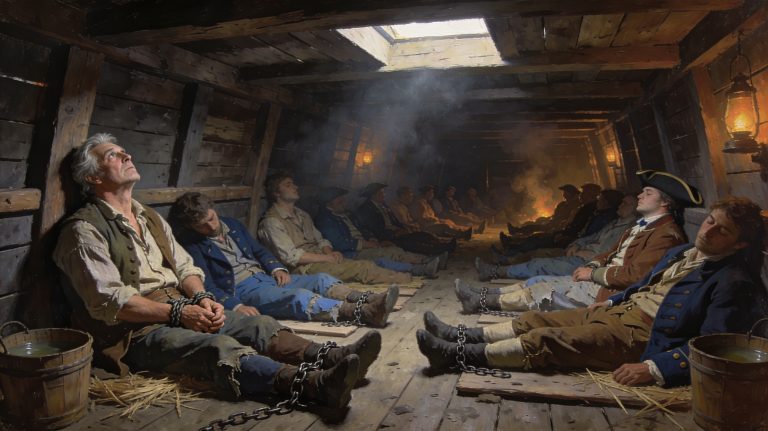
The war in South Carolina’s backcountry truly began on that Saluda wagon road when Loyalist captain Patrick Cunningham took back that powder and lead. The “Mine Creek Ambush” did more than embarrass the Provincial Congress; it armed the Loyalists, handed them Patriot prisoners, and raised the terrifying prospect that a well‑supplied Loyalist movement might join with hostile Cherokee war parties and dominate the whole upper Saluda–Ninety Six region.
The Council of Safety in Charles Town responded quickly. On November 8, shortly after the Mine Creek news reached Charles Town, they decided to send Colonel Richard Richardson, a Patriot officer from Camden, to gather and lead a substantial militia force into the backcountry. His orders were to recover the stolen Mine Creek powder, arrest leading “insurgents,” and break the Loyalist organization that had sponsored the Mine Creek seizure.
But assembling a large, organized column from the middle and Lowcountry took time—calling out militia regiments, gathering supplies, and marching hundreds of men slowly up toward the fall line. Meanwhile, Major Andrew Williamson was already on the ground in the Ninety Six district and could move far faster than Richardson’s big army.
As news of Mine Creek and rising Loyalist activity spread, Williamson gathered local Patriot companies and pushed immediately toward the Ninety Six area to show that the new revolutionary government still had teeth. Believing that the village of Ninety Six itself would be difficult to defend, he chose an open, worn‑out field on higher ground nearby. “Savage’s Old Fields” offered better line of fire for his few light guns and would be easier to defend.
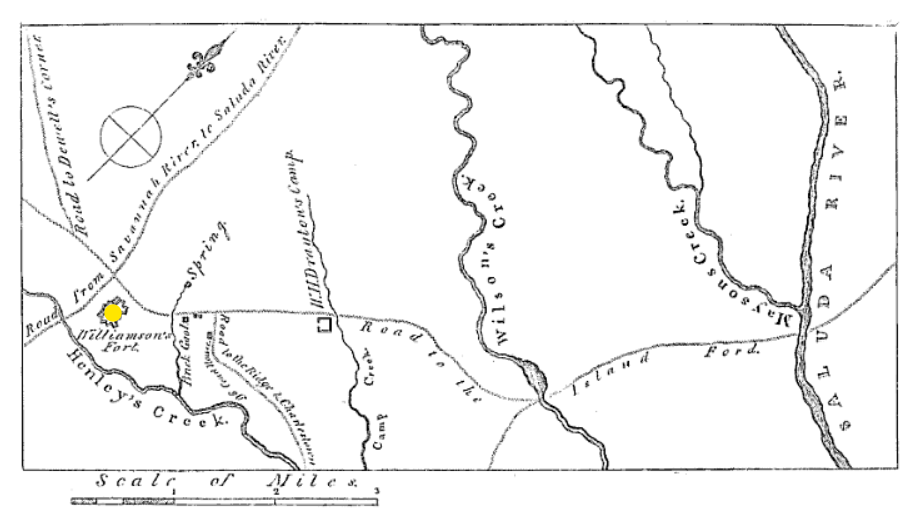
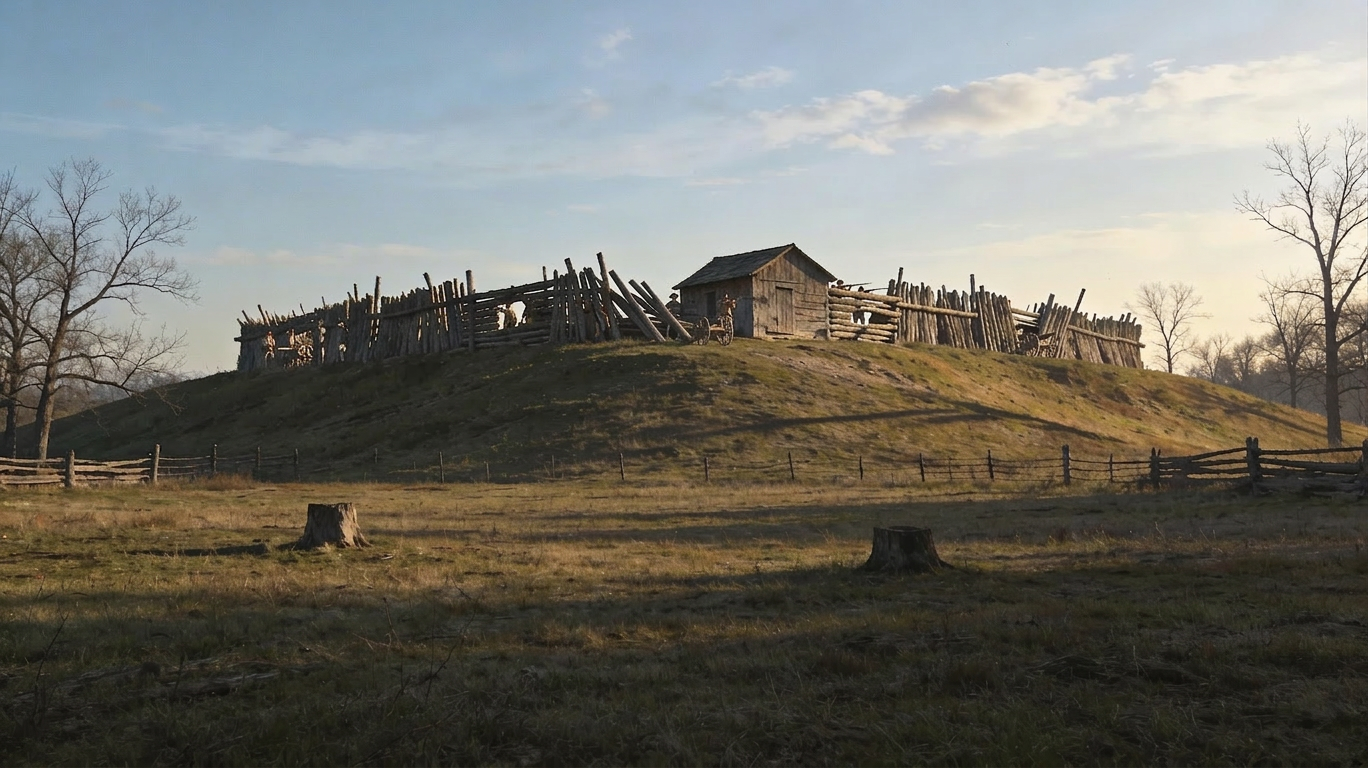
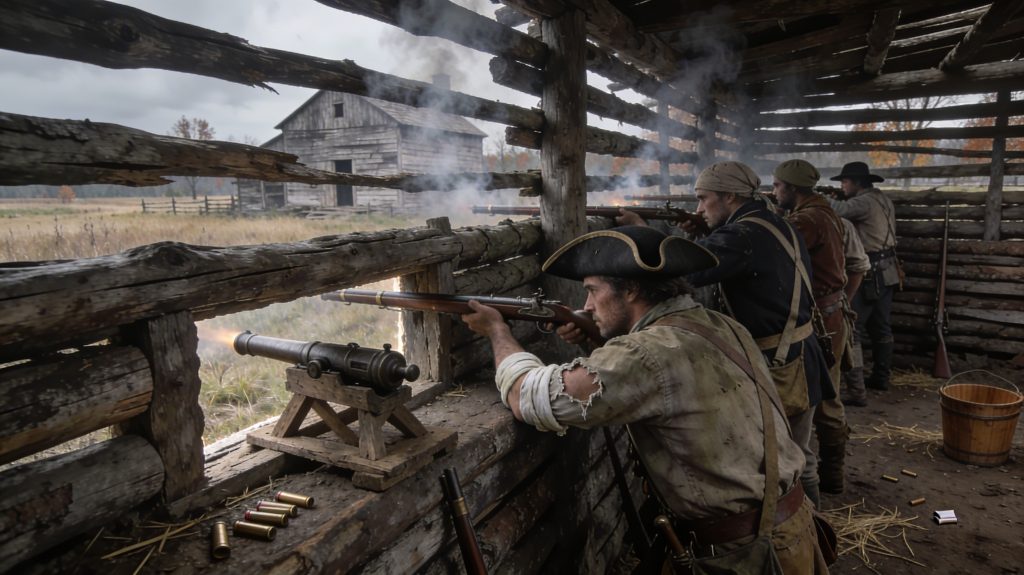
Lacking a proper fort, Williamson fortified one of Savage’s outbuildings. He threw up a rough stockade of rails and logs and mounted a few light guns. By November 18-19 his small backcountry force was in place on that little rise of ground, effectively blocking Loyalist control of the crossroads and signaling that the Patriots would not abandon Ninety Six.
Within days, a larger Loyalist force led by Joseph Robinson and Captain Patrick Cunningham—drawing heavily from the same backcountry networks that had supported Cunningham at Mine Creek—surrounded Williamson’s makeshift fort and demanded that his men lay down their arms.
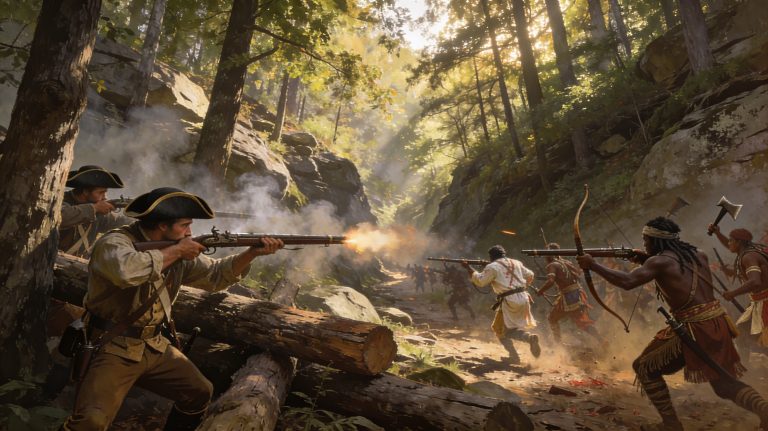
Tension exploded when Loyalists grabbed a couple of Patriot militiamen near the stockade and Williamson sent men out to rescue them, touching off a three‑day firefight. From November 19–21, 1775, Savage’s Old Fields echoed with scattered musketry as Patriots fired from their rough works and Loyalists shot back from trees, fences, and buildings. At one point the Loyalists tried to set fire to the dry grass and fences to cover an assault, but the attack faltered under Patriot fire and less‑than‑cooperative weather.
By the third day, both sides were exhausted and running short of ammunition and supplies. Additionally, the Loyalists had gotten word that Colonel Richardson was nearing Ninety Six with a large Patriot army, numbering 2000-2500 men.
A parley flag went up.
The resulting agreement was very much the product of an early, still‑uncertain stage of the Revolution: both sides agreed to release prisoners taken since early November (including men captured at Mine Creek), the Loyalists withdrew, the Patriots dismantled their little fort, and some captured guns were eventually returned. Though casualties were relatively light on both sides—one Patriot killed and a dozen wounded, and four Loyalists killed with around twenty wounded—it was the first major battle and the first blood spilled in the American Revolution on South Carolina soil.
The political impact was enormous. Savage’s Old Fields became the point where the powder stolen at Mine Creek—and the broader Loyalist defiance it represented—erupted into open, organized combat. Though the siege at Savage’s ended in a stalemate, with the Mine Creek powder still in Loyalist hands, Colonel Richardson was on the way.
As Richardson and his militia reached Ninety Six and continued past, a bone-deep cold began setting in.