Part 6: A Colony Turns Against Itself
Backcountry settlers across Colonial South Carolina entered the early 1770s with a sense of relief and optimism. The courts and local justice they had so desperately needed was, at last, a reality.
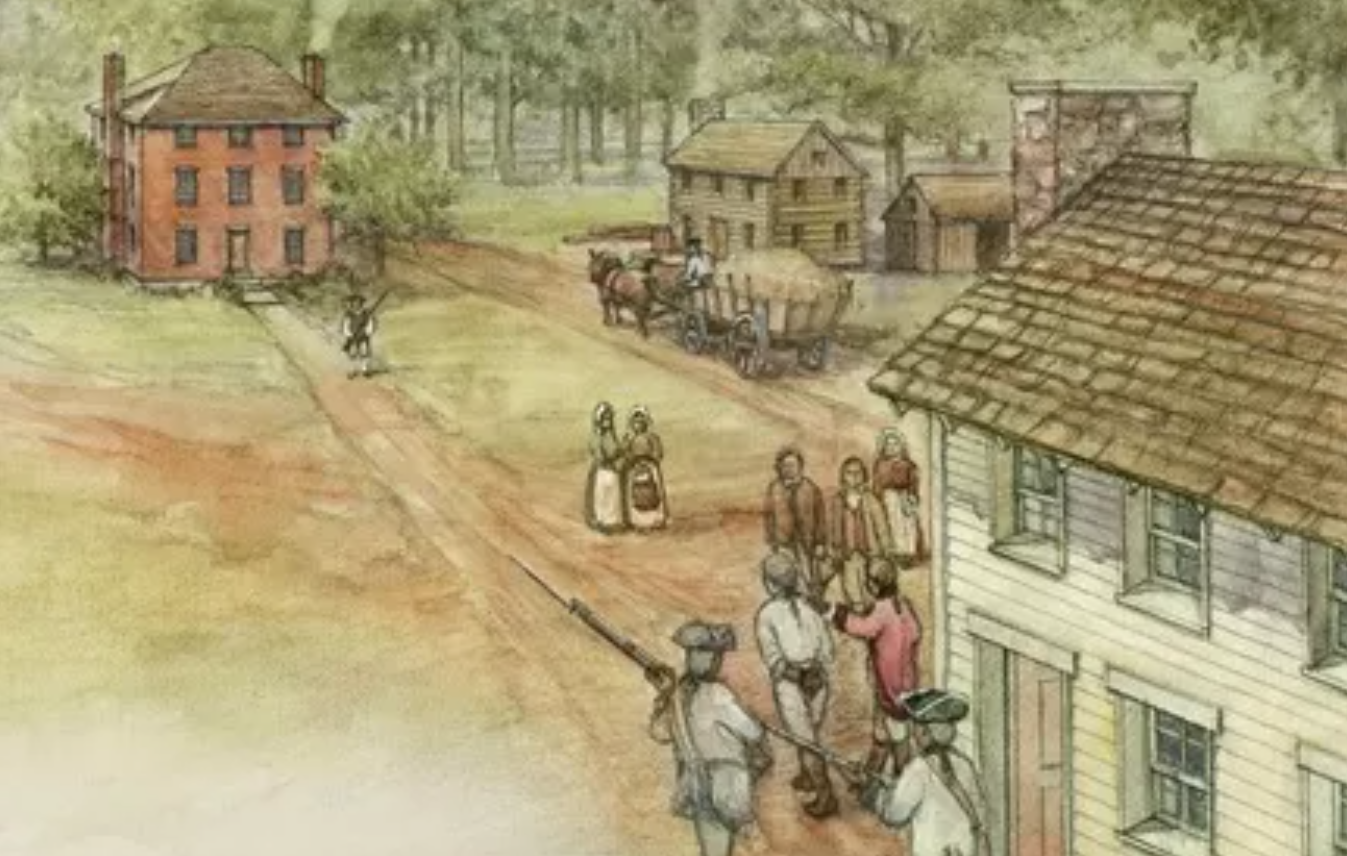
The new district seat of Ninety Six quickly began to grow as a small hub of trade and law, drawing farmers, traders, and craftsmen from miles around, including our ancestors from the future Saluda County area. On court days, market days, and scheduled militia musters, the small village bustled with activity. Inns and taverns appeared near the courthouse, packhorses crowded the roads, and people who had once lived in an isolated, often lawless frontier felt that order and opportunity were at last within their reach.
For a brief moment, it seemed that the hard work of taming the backcountry was paying off, and many residents held one simple hope: to be left alone to enjoy their peace.
At the same time, far downriver in Charlestown, the same imperial policies that troubled the northern colonies were stirring unease among South Carolina’s coastal elites. New taxes, tighter enforcement of trade laws, and a faraway British Parliament’s insistence on its authority, convinced many merchants and planters that the Royal Government meant to treat them as subjects, not partners in empire.
Public meetings, newspaper essays, and private correspondence carried news of Boston’s troubles to the wharves and drawing rooms of Charlestown, where leaders quietly began to organize. What began as petitions and resolutions soon moved beyond respectful protest as influential men concluded that ordinary colonial institutions could no longer protect their rights.
Between roughly 1770 and 1774, patriot leaders in Charlestown started to build a kind of parallel government, operating alongside—and increasingly against—the official royal administration. They called extra‑legal assemblies, formed provincial bodies that claimed to speak for “the people,” and created committees to enforce boycotts and coordinate resistance to British measures.
These new institutions collected information, monitored loyalty, and made decisions that affected trade, security, and political life across the colony. As they gained confidence and support, they began to overshadow the old, crown‑sanctioned structures, turning the colonial capital into a contested seat of authority.
The royal governor watched with growing alarm as his power slipped away. Local officers, militias, and merchants increasingly following patriot committees instead of the king’s representative. Faced with open defiance and fearing for his safety, the governor left Charlestown for the protection of British ships offshore – a symbolic departure that confirmed the patriots’ unofficial institutions had become the real government in South Carolina.
At the center of this new governing order stood the Committee of Safety, which enforced non‑importation agreements, controlled arms and powder, coordinated with similar bodies in other colonies, and monitored suspected loyalists, making neutrality difficult and redefining loyalty from the king to the patriot cause.
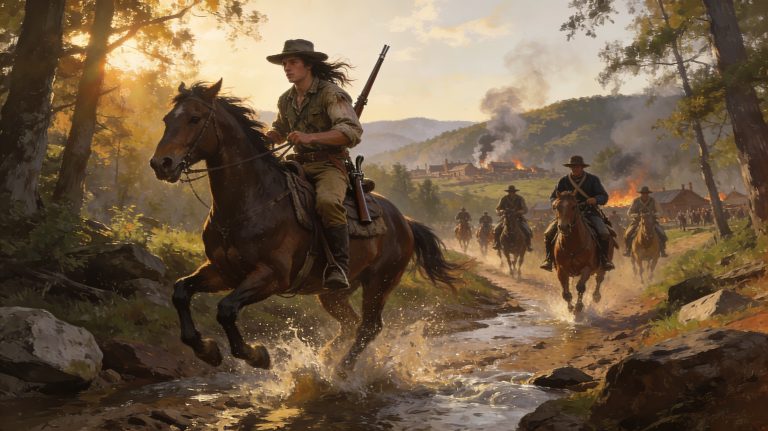
Once patriots in Charlestown felt secure in their control of the coast, they turned their attention to the vast backcountry, including the growing community at Ninety Six. Emissaries—lawyers, ministers, and prominent locals sympathetic to the cause—rode into the interior to explain the dispute with Britain, organize meetings, and urge settlers to align with the new provincial leadership.
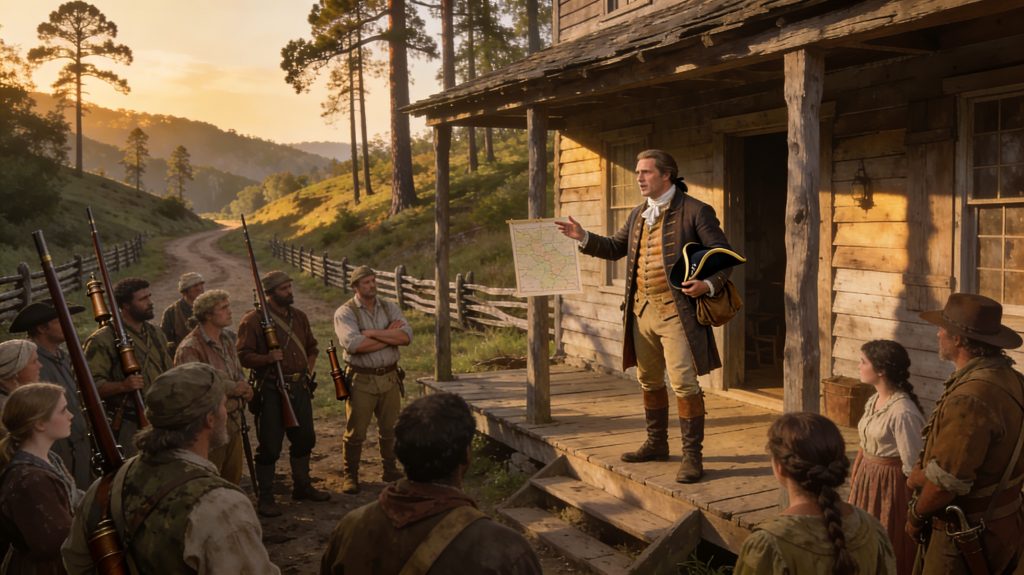
Some backcountry residents embraced the patriot message quickly, seeing in it a defense of colonial rights, an opportunity for greater political voice, or simply a chance to stand with neighbors they trusted. Others were skeptical or resistant, valuing stability over agitation and fearing that rebellion would bring war, destroy trade, and sweep away the courts and the fragile peace they had only just gained.
Many tried to avoid making any decision at all.
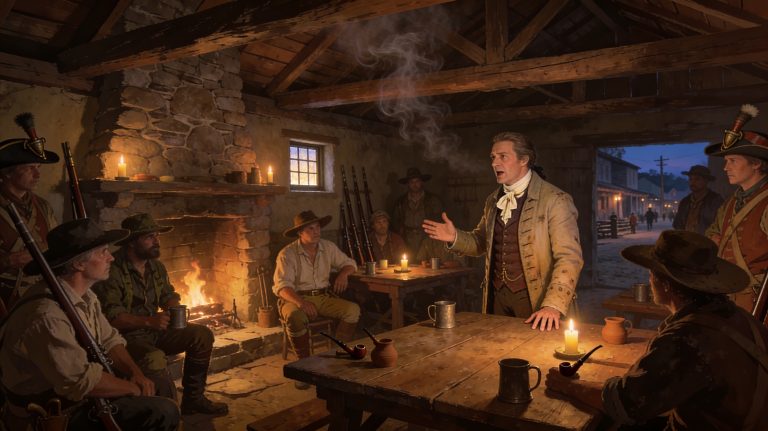
These differences in outlook created intense pressure within communities. Neighbors, friends, and even family members tried to persuade one another, arguing around hearths and at crossroads over loyalty, honor, and prudence. To refuse the patriot calls could mark someone as a friend of the crown, while open support for the movement might alienate long‑time acquaintances who feared the consequences of revolt.
By 1774, as emissaries continued their rounds, the people of Ninety Six and the surrounding countryside increasingly understood that they could not escape the conflict; they would have to choose a side, and that choice would shape their standing among the people who knew them best.