Part 7: Two Neighbors – Voices from the River
Robert Cunningham, Tory
I am Robert Cunningham, descended from Irish stock that crossed the sea to Virginia in the mid‑1600s. By 1769 several branches of our family had pushed into the backcountry of South Carolina, just north of the Saluda River, in the area that would one day be called Laurens County.
I built a substantial plantation on the riverbank at Island Ford, only seven miles from the village of Ninety Six, where the royal governor in Charles Town appointed me to serve as a circuit court judge.
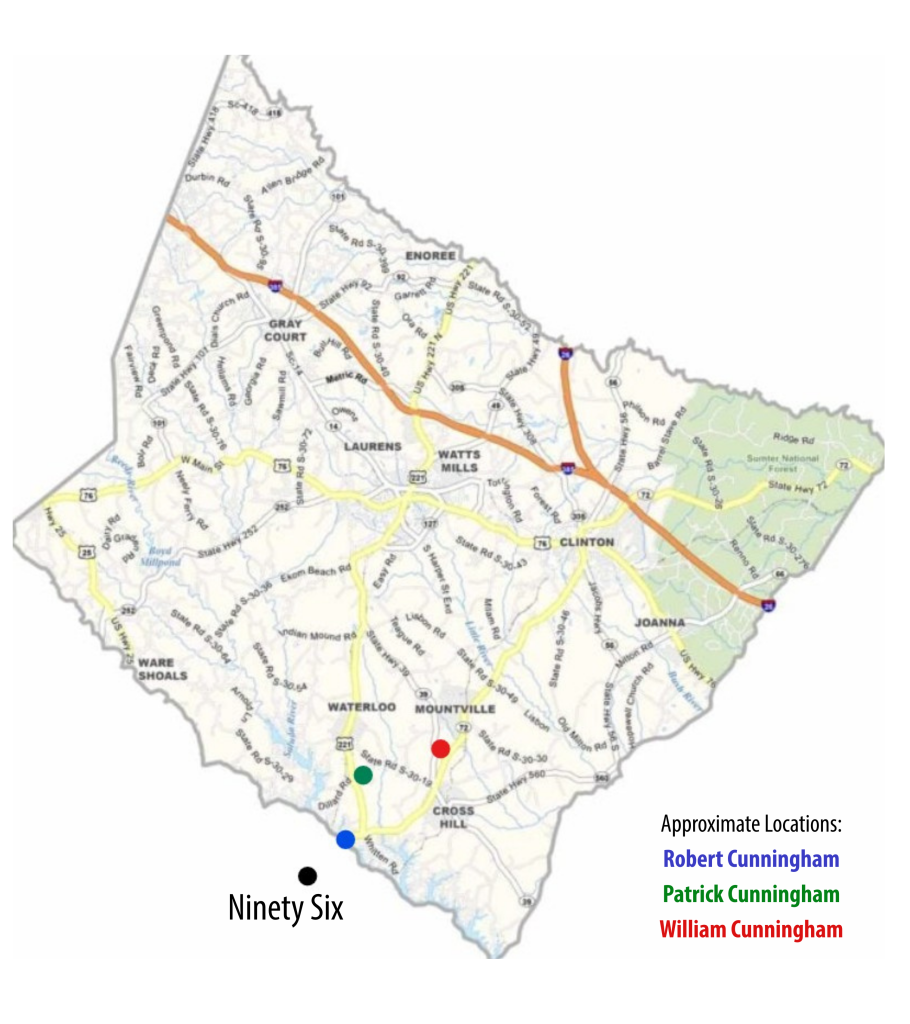
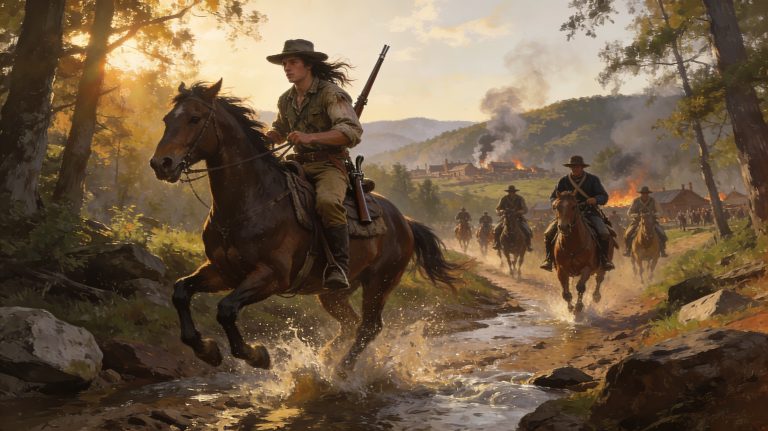
This is not a verbatim record of my life, but a tale drawn from what is known of me and of other Loyalist settlers in these parts, in the tense years before the Snow Campaign brought its winter reckoning. My brother Patrick, who shared my Loyalist politics, established his own place, “Rosemont,” a little to the north of mine. Other kinsmen settled nearby, including my young cousin William, a high‑spirited lad who cared little for politics and spent his days instead with horses, guns, and the rough skills of the backcountry, his adventurous nature and quick temper plain to all who knew him.
As for me, I thought of myself as a man of reason. I was born under a king, and loyalty ran as deep in me as the river beside my fields. Looking out over my acres along the shining Saluda, I saw proof of ordered stability—a world where a man understood the source of his prosperity and his family’s security. The deed to my land bore the Crown’s seal, not some committee’s mark. Smoke curled from our hearth on frosty mornings; small frictions arose over the day’s tasks; the women of the house held everything together with quiet strength. A sound harvest, a thriving family, and a peaceful frontier were all a man like me could reasonably desire.

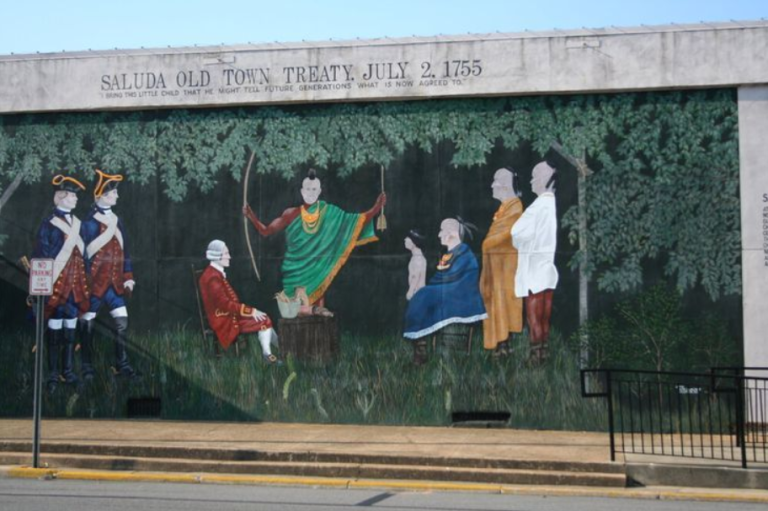
Before the courts came, backcountry justice was uneven. I saw the same cheats and thefts others did, yet I also saw that the Crown, in time, brought remedies—just as royal officers had organized our defense when Cherokee raiders once threatened homes like mine. After 1769, as life steadied, talk turned to Parliament’s taxes, Boston tea, and northern farmers facing redcoats. To me it stank of ingratitude: prosperity grown under British protection, followed by sudden rebellion over levies. When word of Lexington and Concord reached us, I remembered how the King’s men had shielded our frontier. Turning muskets on them now seemed simply wrong.
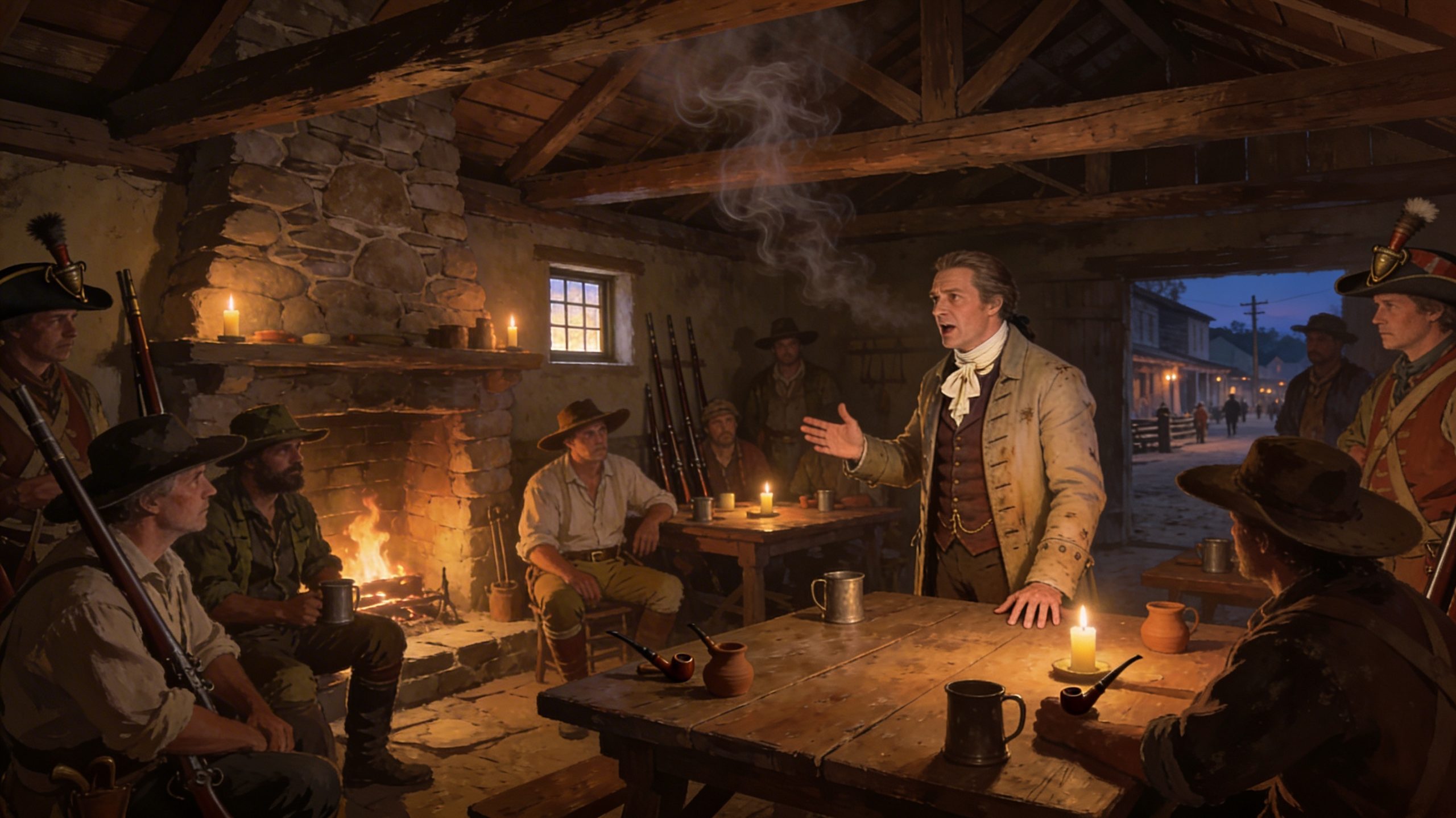
More and more, Whig and Tory slipped into our speech like barbs. Patriots spoke of liberty; men like me, who valued stability over experiment, found ourselves branded Tories, as if our loyalty to the Crown that had long protected us were now something shameful. A revolutionary committeeman rode through, railing against overreach from London and promising self‑rule. Many were stirred; I listened with my arms folded. What I heard was the replacement of known authority with uncertain committees—an echo of regulator vengeance without any higher check.
Meanwhile, tension tightened along the Saluda, the Little Saluda, and the inland creeks. We heard of gunpowder seized by Patriot hands, of “associations” demanding signatures against the Crown, of Loyalists disarmed in other settlements, and of musters for the King in the Dutch Fork between the Broad and the Saluda. Relations between neighbors grew strained, an uneasiness settling over us all. Yet I did not waver.
When asked my stand, I answered plainly: with the King, with ordered law over armed crowds and shifting powers. Change, if it must come, should be sought by petition, not by rebellion.
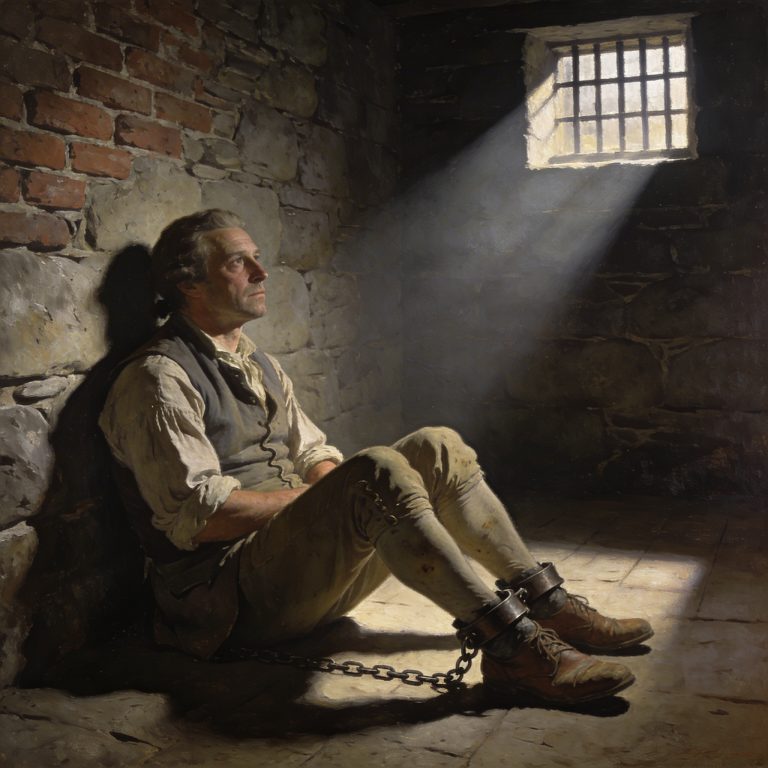
I understood that my choice would bring hardship to me and to my family, but I did not expect we would lose everything. Still, my path was fixed by the conviction that tearing down the old order on this frontier would loose forces no man could control.
That, for a Saluda River Loyalist like me—Robert Cunningham—was what it meant to be a Tory.
Dannett Abney, Whig
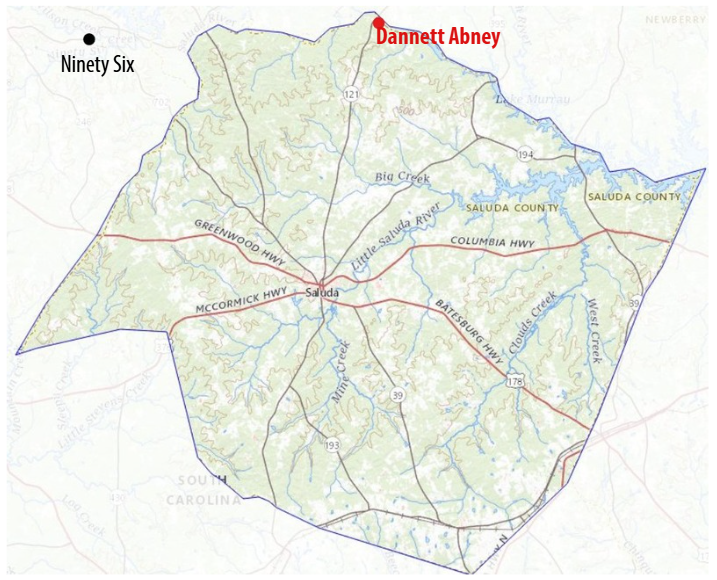
I am Dannett Abney, and my name is etched in the old records of Edgefield and Saluda Counties, where my home and kin bore the scars of Revolutionary fighting.
What follows is not the real story of my life but a tale drawn from the lives of many backcountry farmers like me. Whigs living along the Saluda River in the Ninety-Six District from the late 1760s through the years leading up to the Snow Campaign.
When I first rode the banks of the Saluda looking for land, politics were the last thing on my mind. I sought good soil, reliable water, and space to raise a family free from the whims of distant lowcountry grandees. By the late 1760s, I had staked my claim in that rolling country that would one day bear the name of Edgefield County and, later, Saluda. But back then, it was simply the upper corner of Ninety-Six.
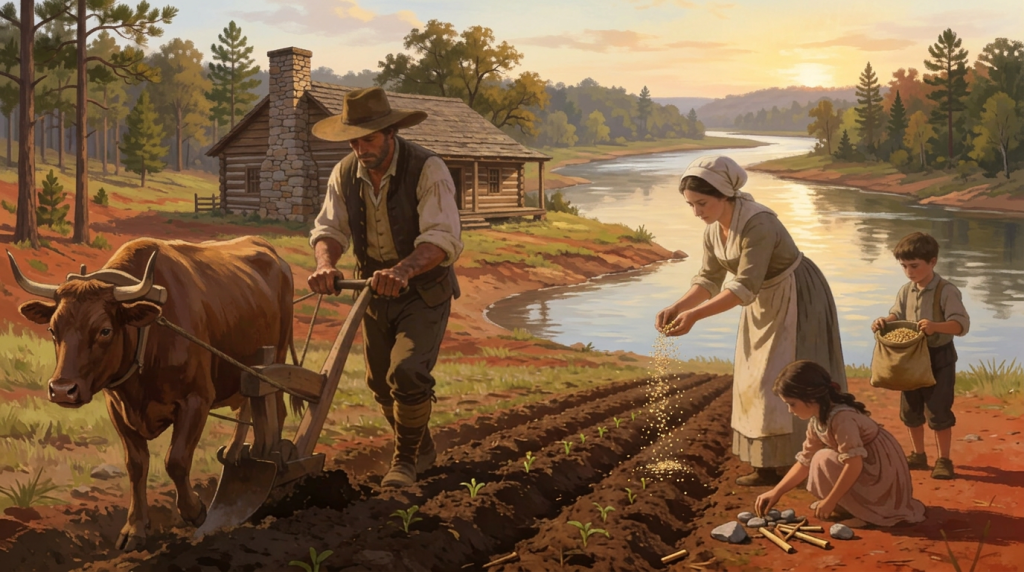
Life demanded everything: clearing fields against the weather’s moods, raising corn and wheat, turning hogs loose in the woods, tending a few cows and horses. Our cabin rang with children’s voices, woodsmoke, and the scent of tanned hides. On Sundays we gathered for preaching when a minister passed through, or read the Bible by firelight. We lived tied to the earth, distant from those who claimed to govern us.
Before the new courts of 1769, justice was a far ride or a neighbor’s rough hand. I watched the Regulator riders punish thieves when no judge would come, then saw the Moderators push back, saying the cure was worse than the disease. Families divided quietly. We all craved order; we just differed on how to get it.
When circuit courts finally arrived at Ninety Six, with a proper brick courthouse and even a gallows, it felt like recognition at last. I rode there once to witness it—not grand like Charles Town, but ours.
Still, I recalled how long we’d begged for it, and how the Cherokee War had shown us the truth – when cabins burned and families fled to forts, it was backcountry rifles, not London proclamations, that held the line.
During those times, my days turned with the seasons—plowing, mending fences, helping neighbors raise barns, riding to mill or muster. But the talk shifted. News filtered in of taxes on paper and tea without our voice, of Boston’s harbor choked with tea chests, of redcoats firing on farmers at Lexington and Concord. Distant troubles, yet the pattern echoed our own: distant men decide, backcountry men pay.
As news from up north filtered in, old Regulator and Moderator lines hardened into Whig and Tory. Those who’d long demanded fair courts and frontier protection now spoke of rights and representation. Those tied to royal favor counseled patience.
When a Council of Safety man rode through, speaking plainly of blocked assemblies and soldiers cowing civilians, his words struck home to me. Men who sweated this land deserved a say in its laws.
Some neighbors—the Cunninghams among them – held fast to the King. They were powerful folk upriver. They held offices by his grace. They warned of ruin: stirred Cherokees, cut-off trade, redcoats marching through our corn.
I weighed it carefully, with a wife and children to protect. Armies trample farmers first. Yet our history whispered otherwise. We’d begged for justice and gotten it only under duress. We’d defended the frontier as Regulators with little reward. Loyalty to a distant king hadn’t earned us a fair hearing; quiet obedience wouldn’t start now.
My choice settled not from hate, but from the plain truth that those who bear the burdens should hold the reins.
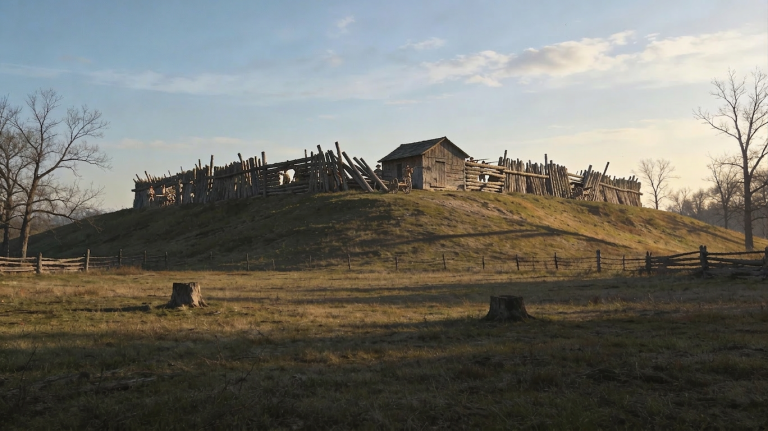
By early 1775, rumors darkened: gun powder had been sieized. Loyalists were mustered northward toward the Broad River, as Patriot committees vowed to break them. Word came of trenches being dug at Ninety Six.
Old arguments reignited. Neighbors, kin, and sometimes, even brothers, now stood as Whig or Tory.
Not choosing became a choice.
I’d seen the Saluda country claw from lawless frontier to a grudging place in a larger fight. I’d seen who rode out when danger neared.
When asked my stand, I answered clear: with those giving this land its own voice. That was what being a Whig meant to me, Dannett Abney—a backcountry man who knew the Saluda’s roll and the cost of silence.