Part 15: The Fall of Charleston – A Deadly Turn of the Tide
Charleston held its breath for forty days.
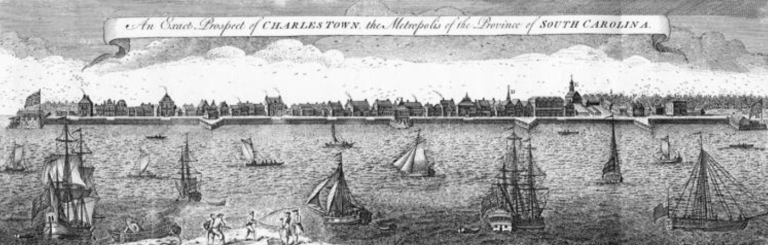
That spring of 1780, British warships had crowded the harbor as red-coated infantry closed in from the landward side, slowly tightening a noose around the most important American city in the South.
The siege of Charles Town was not a sudden storm but a steady, remorseless pressure—parallels dug closer, batteries edged forward, and every night the sky flickered with the flashes of British guns. Inside the lines, Continental soldiers, local militia, and townspeople endured hunger, bombardment, and the creeping certainty that help was not coming.
When General Benjamin Lincoln surrendered Charles Town to the British on May 12, 1780, he handed over, not only the city and its defenses, but the last large organized Patriot force in South Carolina, convincing British commanders that the province was effectively subdued.
In the wake of that capitulation, officers moved to secure the victory by demanding oaths of allegiance from the prominent Patriot leaders, offering “protection” in exchange for renewed loyalty to King George III.
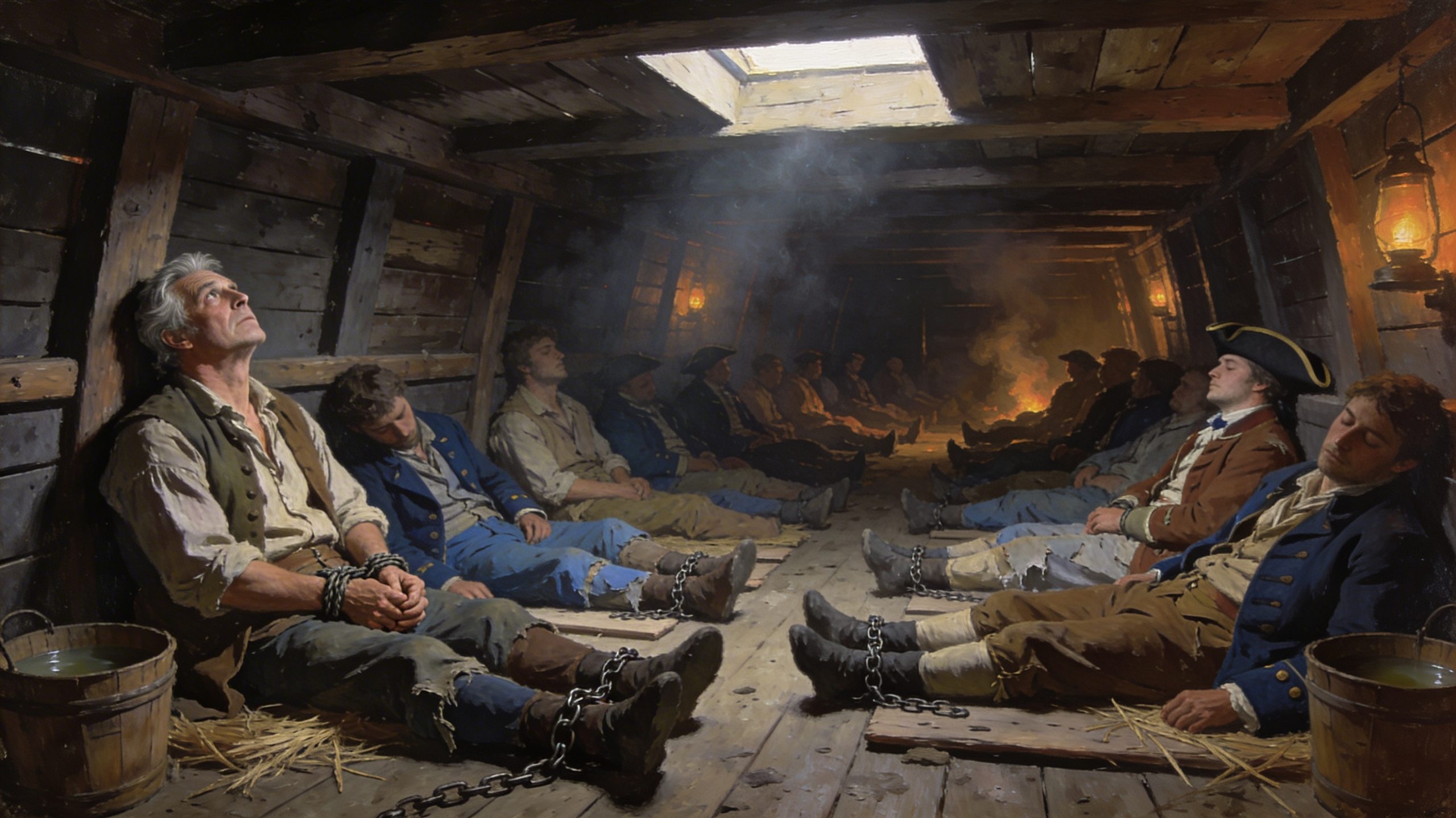
But Captain James Butler, Sr. would have none of it. He refused to sign, seeing such an oath as a betrayal of the very cause for which he had risked his life and for which many of his neighbors had already given theirs. His refusal marked him out as unrepentant, and rather than accept the king’s clemency on paper, he was seized as a dangerous rebel, confined first on a prison ship in the harbor and later in the grim provost jail.
With the great port city captured, Continental forces and Patriot Militia in chains, everything changed.
In the backcountry the hunters suddenly became the hunted.
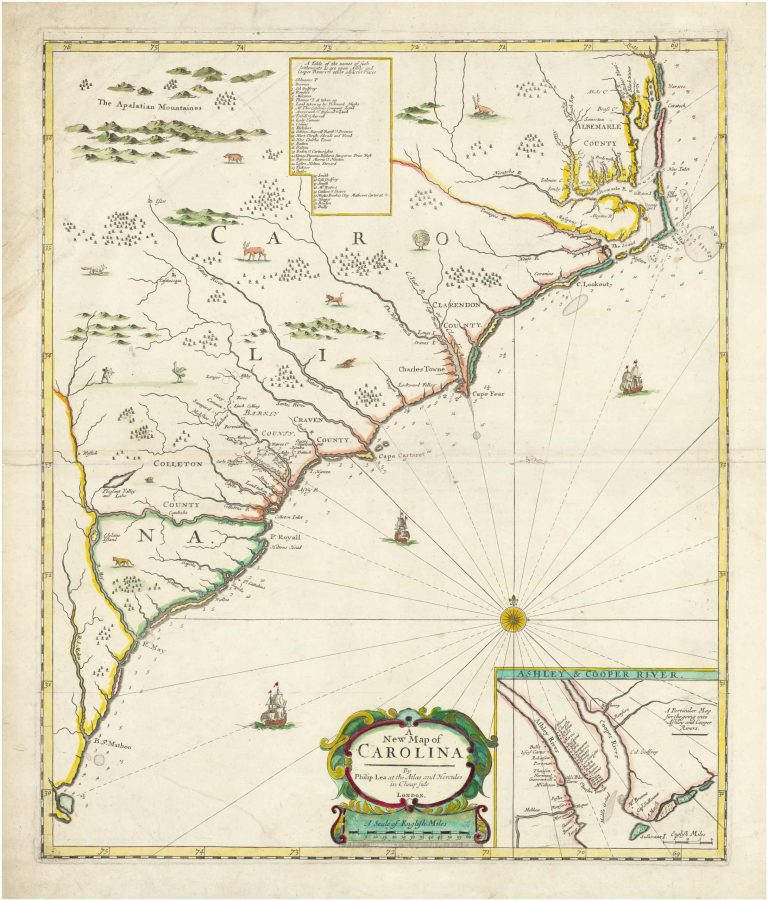
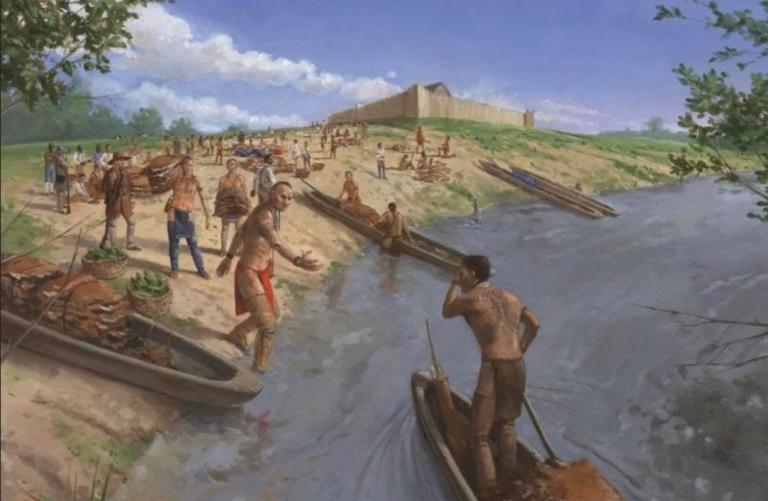
British commanders moved quickly to turn victory into control. From Charleston they pushed out columns to Camden, Ninety Six, Augusta, and other strategic posts, planting garrisons like iron spikes across the province. They built and occupied Star Fort in Ninety Six.
With the army in possession of the lowcountry and strong detachments pushing into the interior, they proclaimed that the rebellion had effectively ended in South Carolina. The next step was to make that claim a reality in the minds and loyalties of the inhabitants.
That meant oaths.
In town squares and at courthouse steps, royal officials and British officers summoned the men of each district and offered them a choice: swear an oath of allegiance to the king and receive a promise of protection, or be counted a rebel subject to the penalties of treason. Many who had once bent under Patriot pressure now came forward to sign the Loyalist papers, some from conviction, others from fear, and many simply hoping to preserve their families and farms.
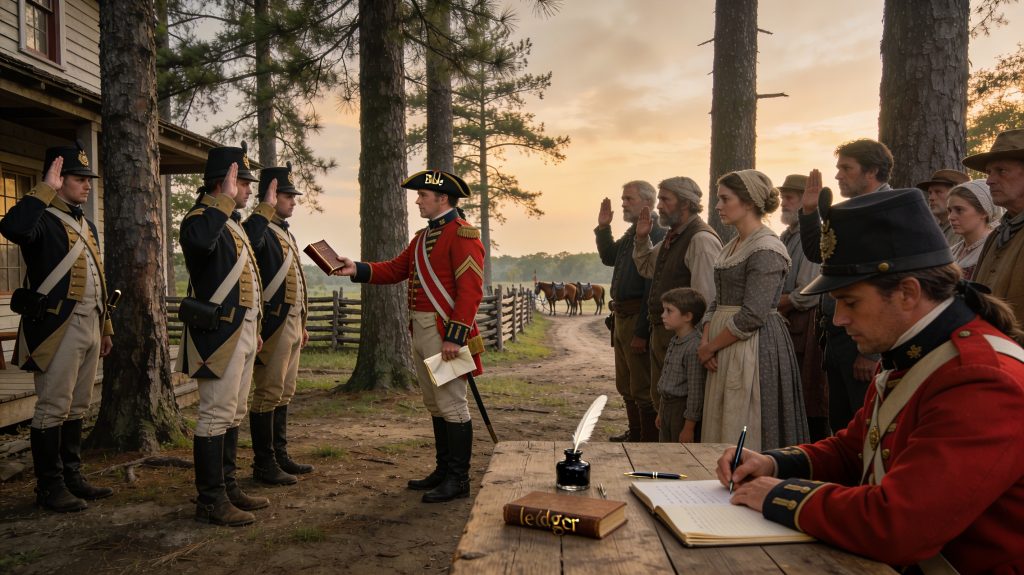
But an oath is never just ink on paper in a divided land. Each signature reshaped friendships, split kin, and reopened old quarrels under the cover of royal authority.
No province in the new United States felt this more keenly than South Carolina.
The broader American Revolution was a war between Britain and its colonies, a struggle for independence played out on a continental stage. But within South Carolina, the conflict had long since become a civil war inside the larger war—neighbor against neighbor, cousin against cousin, personal grudges wrapped in political colors. The fall of Charleston did not start that civil war, but it unleashed it with new ferocity by convincing Loyalists that their moment had finally arrived, and persuading many wavering men that resistance was futile.
No two families were more affected by this sea change than the Cunninghams and the Butlers of Ninety Six District.
For several years, brothers Robert and Patrick Cunningham, had been essentially driven to ground in their Laurens estates. William Cunningham, on the other hand, had been in exile since he murdered William Ritchie.
As soon as they got word that the British had taken back control of Charles Town, all three Cunninghams immediately traveled to Charles Town where they received commissions in the Loyalist Militia.
Robert Cunningham was made a Loyalist brigadier general of militia in 1780 and given a command role. He was later described as having command at Charles Town and acting as a senior Loyalist leader in the backcountry.
Patrick Cunningham, his younger brother, became a major and then colonel in the Loyalist militia. He commanded a backcountry regiment operating from the Ninety Six/Saluda region.
Their cousin, William Cunningham, returned to Charleston from his Savannah exile. He appears on a June 14, 1780 roster as a captain in Patrick Cunningham’s Loyalist regiment. Later he built his own mounted Loyalist force and was later promoted to major.
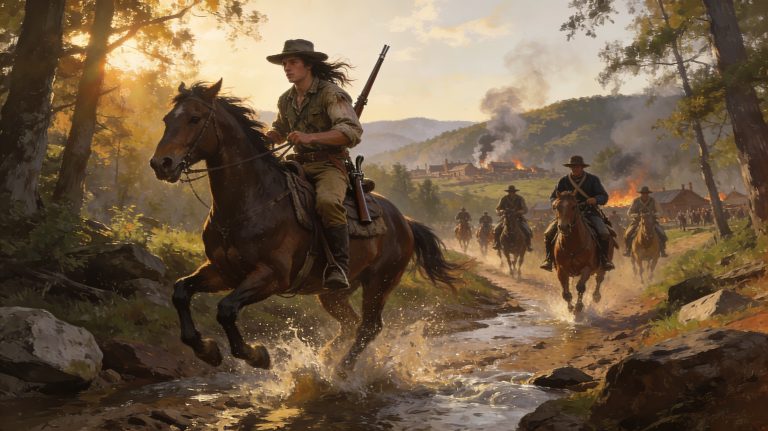
All three Cunninghams began to gather Loyalist militia from the backcountry. Patrick Cunningham, long seen by Patriots as an outlaw, now rode as a recognized Loyalist leader. William Cunningham—whose name was being uttered with dread in the backcountry because of Ritchie’s murder—led mounted bands that patrolled roads, visited “suspected rebels,” and made clear that the old Patriot rulers were no longer in charge.
As the Cunninghams rose, the Butlers went to ground.
With James Butler, Sr. imprisoned in Charleston, the family’s remaining strength lay with his sons in the interior. His eldest, Colonel William Butler, was a proven Patriot officer of the Ninety Six district. Although British victory at Charleston led to widespread demands that backcountry men sign the king’s oath of allegiance, William Butler refused to submit and instead remained committed to the Patriot cause.
Rather than retreating into permanent hiding, William Butler continued to serve actively in the South Carolina militia. He operated in the backcountry, participating in ongoing campaigns against British and Loyalist forces. In 1781, he served under General Andrew Pickens during the Siege of Augusta and at the Siege of Ninety-Six. He also fought at Eutaw Springs and other engagements while commanding troops as a captain under General William Henderson and later as captain of Mounted Rangers under Pickens in 1782.
William’s wife, Behethland, recalled seeing him at times during these operations, including an incident in which he captured a British soldier near William Anderson’s place and delivered intelligence to American forces. Butler’s steadfast service helped sustain Patriot resistance in the Ninety-Six district amid the brutal civil war that engulfed the region between Whigs and Tories.
William’s younger brother, James Jr., whom everyone called “Jim” had long been eager to join the fight. When his father was imprisoned he was eager to volunteer for service. For young Jim, there was no neutral ground. He cast his lot with the dispersed Patriot bands forming under leaders like Thomas Sumter and other backcountry partisans, learning quickly that survival depended on speed, secrecy, and a clear memory of who had signed which oath.
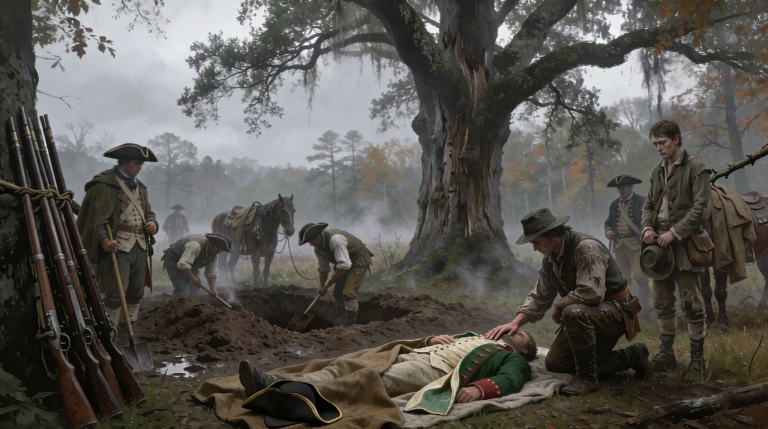
Across the state, the same pattern repeated. Like James Butler, Sr., some men endured prison rather than swear. Others took the Loyalist oath eagerly and turned it into a license to settle old scores. Still others, caught in between, signed under duress and laid low. Others who signed for the safety of their families quietly aided Patriot fugitives when they could.
The British plan—for South Carolina to serve as the solid base of a new southern strategy—rested on the belief that Loyalism was strong enough to hold the province once the regular army cleared the way. On paper, with Charleston captured and oaths collected in every district, it looked as though that plan was working.
But beneath the surface, the province seethed.
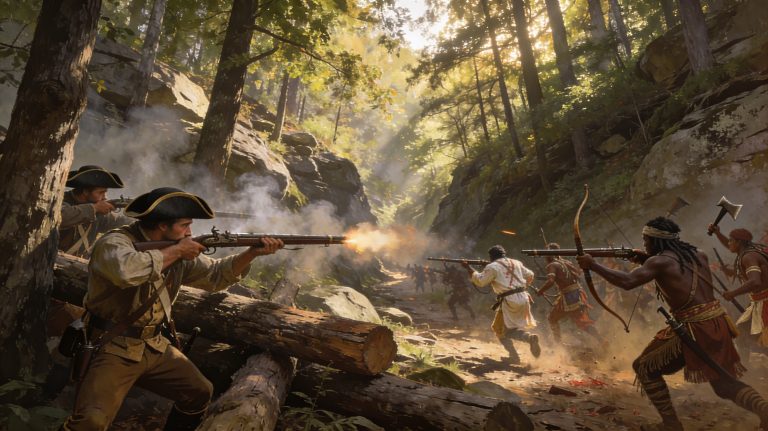
Bands of Patriot partisans began harassing the British posts, ambushing messengers, and punishing prominent Loyalists. Loyalist militia under men like the Cunninghams answered with raids of their own. Homes were burned, livestock driven off, and families uprooted. Each attack justified the next, and the line between military necessity and private vengeance grew ever thinner.
This was not the neat, formal war fought in the orderly ranks of Europe; it was a tangled, intimate conflict in which the geography of every creek and ridge was matched by the tangled map of grudges and loyalties in every settlement.
Yet, even as South Carolina’s internal war raged, it remained part of the larger struggle that stretched from Canada to the Caribbean. In Philadelphia and Morristown, Patriot leaders understood that the disaster at Charleston and the looming crisis in the South threatened the entire cause. If Britain could pacify Georgia and South Carolina, roll up North Carolina, and then move into Virginia, the Revolution might be strangled from the south upward.
The king’s ministers in London believed the same thing—South Carolina was the keystone of their southern strategy.
So the stage was set.
Into this fractured landscape, a new American army began to move. Reinforcements from the North, led by General Horatio Gates, marched south with orders to recover what had been lost.
But as these disparate threads were all coming together, James Butler still languished in the dark, damp provost prison in Charles Town.